


Oman Discovers 3,000-Year-Old Graves During Road Construction
The CSR Journal Magazine

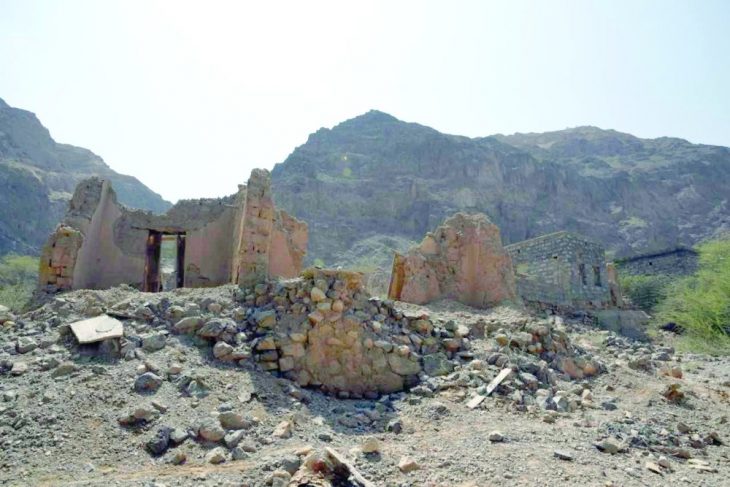
The recent road construction project in Oman has led to the unexpected discovery of graves dated to approximately 3,000 years ago. This development has piqued the interest of archaeologists and historians alike, who view it as a vital opportunity to learn more about ancient burial practices in the region. Experts believe these graves could provide significant insights into Iron Age societies in Oman and their rituals surrounding death and burial.

Local authorities and archaeological teams were alerted to the finds after workers unearthed human remains and accompanying artefacts. The discoveries included pottery, tools, and various items that suggest a complex burial tradition. Reports indicate that these sites have been largely undisturbed, offering a rare glimpse into the past and possibly revealing the cultural significance of these burial practices.

Details of the Grave Sites

The grave sites reportedly consist of multiple burial chambers, which display unique construction techniques representative of the Iron Age. Remains of several individuals were uncovered alongside grave goods that hint at the status of the individuals interred within these chambers. Some artefacts are believed to have been used in rituals, while others appear to be personal items meant to accompany the deceased into the afterlife.

Archaeologists have noted that the architecture of the graves might indicate social hierarchy and traditions prevalent during that time. The intricate designs and burial methods could provide critical data to unravel how ancient Omanis viewed death and the afterlife. The location of the graves further suggests that they may have been part of a larger necropolis, indicating communal burial practices.

In light of these findings, experts stress the importance of further excavations to fully understand the context and significance of the graves. They emphasise the need for thorough documentation and analysis to ensure that the insights gained are not lost to time.

Impact on Modern Infrastructure and Preservation Efforts

The discovery of these ancient graves has raised questions regarding the balance between infrastructure development and preservation of cultural heritage. Authorities have pledged to assess the archaeological significance of the site before proceeding with construction. The project may face delays as further investigations are conducted to ensure that a thorough excavation occurs.

In response to the discoveries, Oman has re-evaluated its policies concerning archaeology and urban development. The Department of Antiquities is reportedly working with local contract firms to instil a framework that prioritises safeguarding cultural heritage during construction activities. This approach aims to minimise disruptions to both archaeological sites and ongoing infrastructure projects.

The situation highlights the ongoing challenges faced by countries that are rapidly modernising yet seek to preserve their historical legacies. The collaboration between governmental bodies and archaeological experts could set a new precedent for how such sites are managed in the future, emphasizing the importance of maintaining a balance between development and conservation.

Long or Short, get news the way you like. No ads. No redirections. Download Newspin and Stay Alert, The CSR Journal Mobile app, for fast, crisp, clean updates!

App Store –  https://apps.apple.com/in/app/newspin/id6746449540 

Google Play Store – https://play.google.com/store/apps/details?id=com.inventifweb.newspin&pcampaignid=web_share

Latest News

Popular Videos
