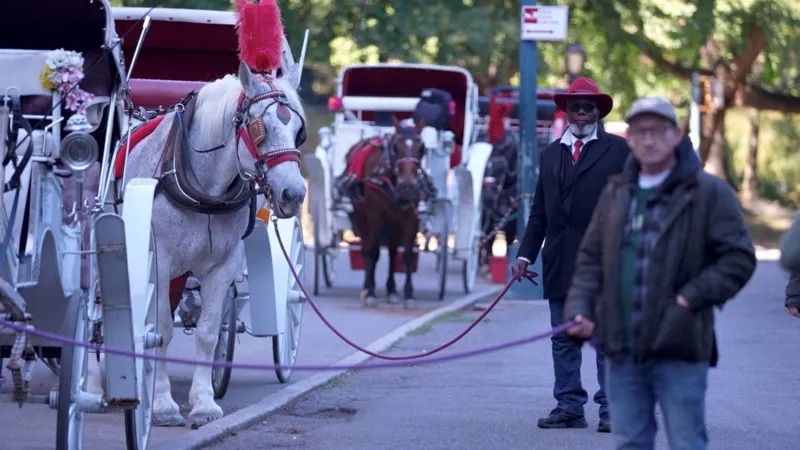
The potential ban on horse-drawn carriages in Central Park has raised significant concerns among the approximately 200 drivers who rely on this profession for their livelihoods. Alexus Lawson, a carriage driver for six years, voiced her worries about the future of her horse and the implications of losing her job. She questioned how she would ensure her horse’s well-being if the city enforces the ban, which is set to take effect in June 2028.
Lawson’s sentiments reflect a broader anxiety among drivers, who argue that they have dedicated their lives to caring for their horses. Many drivers have disputed claims of mistreatment, asserting that the horses are well cared for and that they enjoy their work. The impending legislation has sparked a divide between those who support the ban and those who oppose it.
New York City Council is expected to vote on the ban, which has gained traction following a tragic incident involving a tourist. The proposal is backed by Mayor Zohran Mamdani, who has promised to develop a transition plan for affected workers. However, many drivers are sceptical about the adequacy of this plan.
Public Safety Incidents Prompt Legislative Action
Concerns regarding public safety have been at the forefront of the debate surrounding horse-drawn carriages. Reports indicate that since 1982, 40 horses have died while working in Central Park, with causes including overheating and collisions. The recent death of a teenager, Romanch Mahajan, during a carriage ride has intensified calls for a ban, leading to the proposal being informally named ‘Romanch’s Law’.
Animal rights activists have long campaigned against the use of horse-drawn carriages, citing safety risks for both the horses and the public. The Central Park Conservancy has reported several incidents involving horses, including accidents that resulted in injuries to drivers and the horses themselves. These incidents have contributed to growing public support for the ban.
Despite the concerns raised, drivers like Lawson maintain that the carriages are a regulated and safe form of transport. They argue that the horses are well-treated and that the rides do not pose a significant risk. Lawson emphasised that if safety were the primary concern, the city would implement the ban immediately rather than delaying it for two years.
Opposition from Workers and Unions
The proposed ban has faced pushback from the Transport Workers Union, which represents the carriage drivers. Union representatives have expressed concerns that the transition plan lacks guarantees for compensation and job security. They argue that the livelihoods of many drivers are at stake, and without sufficient support, they could face economic hardship.
Union officials have also raised alarms about the potential fate of the horses if the ban is enacted. They claim that many horses could end up at slaughter auctions if proper measures are not put in place to ensure their welfare. The legislation aims to prevent such outcomes by prohibiting the sale of horses for slaughter.
As the city council prepares to vote, the debate continues to highlight the complexities of balancing animal welfare, public safety, and the economic realities faced by carriage drivers. The outcome of this legislative action will have lasting implications for all parties involved, including the horses, drivers, and the broader New York community.
Long or Short, get news the way you like. No ads. No redirections. Download Newspin and Stay Alert, The CSR Journal Mobile app, for fast, crisp, clean updates!