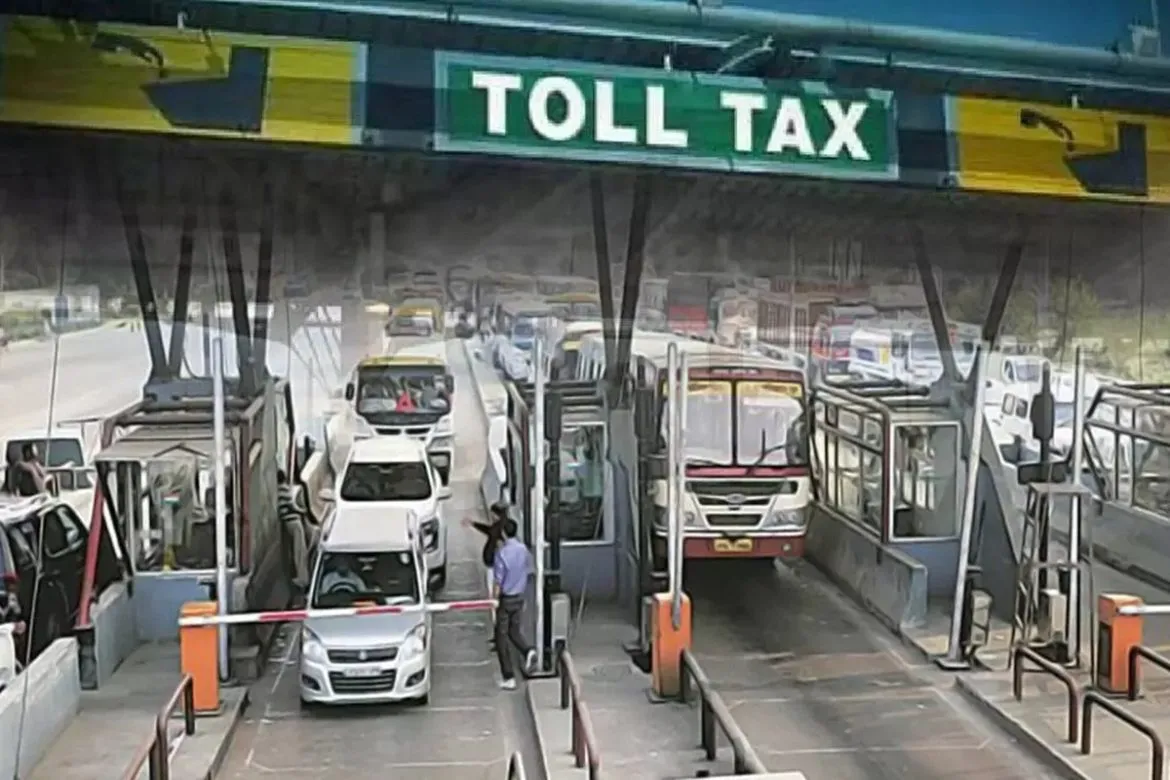
The toll hike for commercial vehicles entering Mumbai takes effect today, October 1, as announced by the Maharashtra State Road Development Corporation (MSRDC). The new rates see mini buses and light commercial vehicles charged Rs 90 per trip, while heavy vehicles will now incur a fee of Rs 225. This adjustment is introduced just ahead of the festive season, which is typically a high-traffic period.
Transport associations have voiced their opposition to the increased toll rates, arguing that this will elevate operational costs for transporters. They predict that these added expenses will push freight charges higher, ultimately affecting consumers who rely on transported goods.
The revised toll structure applies to five significant entry points: Airoli, Mulund (LBS Marg), Mulund (Eastern Express Highway), Dahisar, and Vashi. Despite the hikes, private cars and SUVs remain exempt from toll fees, alongside public transport buses.
Details Of The Increased Charges
Furthermore, a breakdown of the new toll charges reveals specific increases across several vehicle categories. While mini buses and light commercial vehicles previously paid Rs 75, they will now face a revised toll of Rs 90, marking a 20 per cent rise. Similarly, buses and trucks will see their tolls raised from Rs 150 to Rs 180, also an increase of 20 per cent. Heavy motor vehicles will now be charged Rs 225, with some uncertainty regarding their previous toll rate which was reportedly Rs 190.
The entry points affected by these changes play a crucial role in managing traffic flow into the city. The Vashi corridor services the Sion–Panvel Highway, while Airoli connects through the Airoli Creek Bridge from Navi Mumbai. Both Mulund points connect to the Lal Bahadur Shastri Marg and the Eastern Express Highway respectively, with Dahisar providing access to the Western Express Highway. The Atal Setu, recognised as a potential sixth gateway to the city, will maintain a separate toll rate.
In response to the increase, MSRDC has introduced measures to ease the financial burden on commercial vehicle operators. Owners can pre-purchase toll coupons, with discounts available: a 25 per cent reduction for the purchase of 50 coupons, and a 50 per cent discount for buying 100. Additionally, journey smart cards will be issued at toll plazas for qualifying operators to further alleviate toll expenditures.
Concerns Raised By Transport Associations
Transporters are raising significant concerns regarding the toll hike. Bal Malkit Singh, an adviser and former president of the All India Motor Transport Congress (AIMTC), has stated that any toll increase elevates operational costs. This trend necessitates a rise in freight charges, which Singh emphasises will ultimately translate to higher prices for consumers. He highlighted that transport operators are already grappling with rising expenses and called upon the Maharashtra government to extend exemptions to heavy commercial vehicles, similar to those already in place for light vehicles.
Singh further questioned the ongoing toll collection, arguing that construction costs for the roads had already been recuperated by contractors. He cautioned that the toll hike represents an additional financial strain for Mumbai residents, particularly during an economically challenging time.
Moreover, the continuation of toll collection, now extended until September 17, 2029, raises queries among the public. Originally intended to conclude in November 2026, the extension is reported to compensate the contractor for a projected Rs 900 crore loss following the earlier exemption for light vehicles in 2024. This ongoing financial arrangement remains a point of contention as Mumbaikars assess its impact on daily commuting costs.
Long or Short, get news the way you like. No ads. No redirections. Download Newspin and Stay Alert, The CSR Journal Mobile app, for fast, crisp, clean updates!