


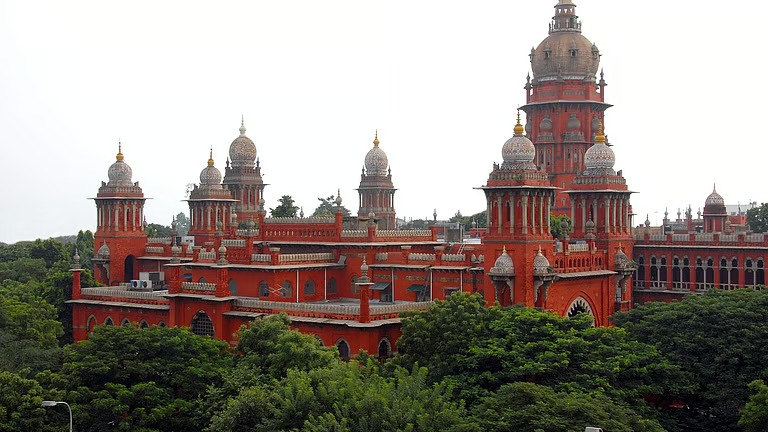

A significant legal development has emerged from the Madras High Court in Chennai, where a ruling has reversed the earlier acquittal of 23 individuals accused in a murder case dating back to 2013. The court has convicted and sentenced 21 of these accused to life imprisonment, marking a pivotal moment in the prolonged case tied to political rivalries.
Circumstances Surrounding the Case
The murder case is rooted in a conflict linked to local elections in the Kiliyanur panchayat area. The prosecution highlighted that a longstanding enmity existed between the victim, Baskar, and one of the accused, Krishnaveni. This animosity reportedly escalated during the election period, ultimately leading to the tragic event on May 30, 2013. On that night, around 12:30 AM, Krishnaveni and a group of about 20 others reportedly gathered outside Baskar’s residence, armed with lethal weapons. Following an altercation, Baskar was pursued and fatally attacked when he attempted to flee.
Legal Proceedings and Initial Ruling
Following the incident, a trial was conducted, leading to an initial verdict on April 28, 2017, in which all 23 accused were acquitted. The ruling at that time raised questions regarding the adequacy of the evidence presented. Baskar’s wife, Amudha, took steps to appeal the verdict, claiming that the evidence had not been adequately considered.
High Court’s Reevaluation of Evidence
In the latest decision, a division bench comprising Justices P Velmurugan and M Jothiraman conducted a thorough reevaluation of all evidence presented during the trial. The justices concluded that the prosecution’s case was established beyond reasonable doubt. They emphasized the presence of the accused individuals as members of an unlawful assembly and affirmed that there was a united intention to cause Baskar’s death.
Implications of the Verdict
This pivotal judgment reinstates the importance of accountability in cases involving political violence, reaffirming the judiciary’s role in addressing severe crimes within the context of electoral competition. The ruling serves as a reminder of the potential consequences of political rivalries that escalate into violence, particularly in instances where community tensions are involved.
Next Steps in the Legal Process
Following this latest ruling, legal representatives of the convicted individuals may seek further legal recourse, possibly considering options for appeal in higher courts. As this case illustrates, complex legal battles can unfold over several years, reflecting the challenges within India’s judicial system regarding cases of violent crime and political conflict.