


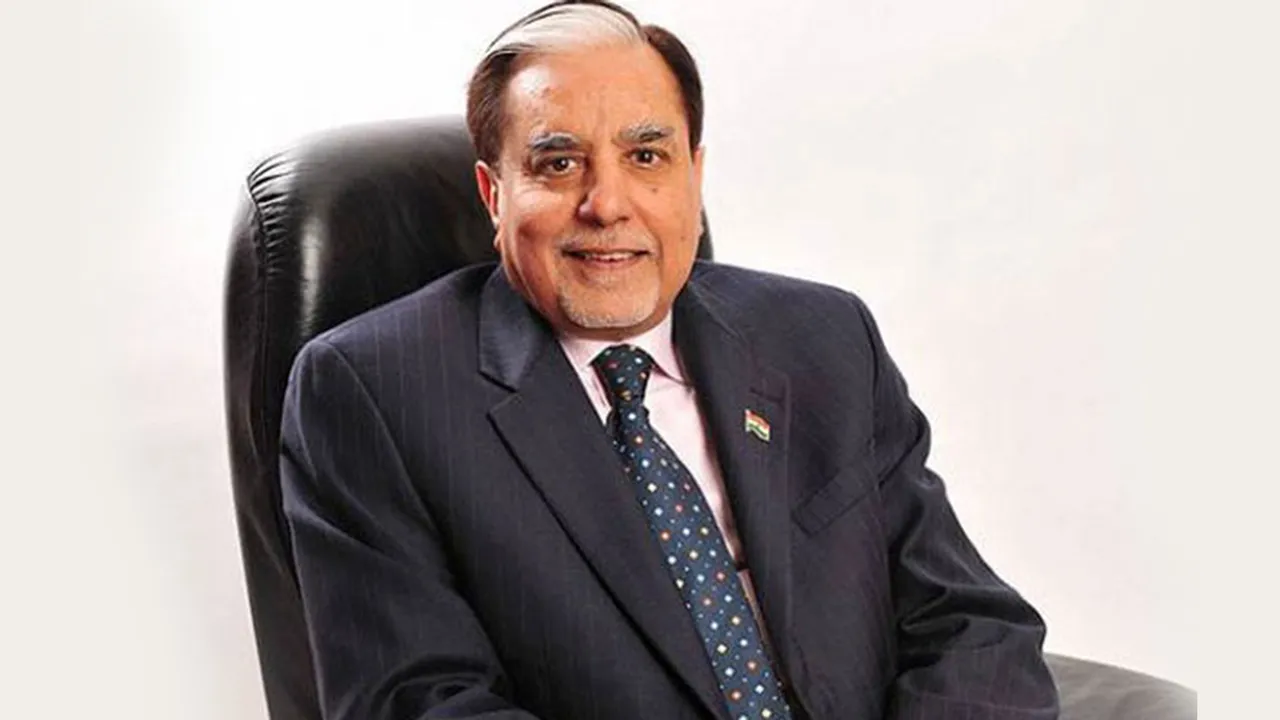

NCLT Approves Subhash Chandra’s Payment Plan Amid Criticism

The CSR Journal Magazine

The National Company Law Tribunal (NCLT) has sanctioned a repayment plan under which Subhash Chandra will pay Rs 6.5 crore against recognised creditor claims of approximately Rs 22,006.57 crore. This decision results in a recovery rate of nearly 0.03 per cent for creditors and a substantial haircut of around 99.97 per cent for the lenders involved. The plan received approval under Section 114 of the Insolvency and Bankruptcy Code (IBC) from NCLT Member (Judicial) Nilesh Sharma, who joined as a third member following a split verdict from the original two-member bench.

This decision came despite objections from several creditors, prominently led by LIC Housing Finance. They argued that the proposed payout was insufficient, branding the plan as “unviable and unlawful.” The tribunal’s consideration of creditor voting support played a significant role in its decision. Objecting creditors collectively held less than 20 per cent of the voting share, while 80.81 per cent of creditors endorsed the repayment plan.

LIC Housing Finance, holding an admitted claim of Rs 1,322.39 crore, was set to receive a mere Rs 38.09 lakh, roughly 0.028 per cent of its claim. The lender contended that such a negligible repayment could not validate the approval of the repayment plan.

NCLT’s Justification for the Verdict

The NCLT noted the tentative nature of the proposed repayment of Rs 6.5 crore, regarding it as indicative rather than guaranteed. The tribunal also acknowledged the valuation of Chandra’s personal estate, conducted by the resolution professional, which indicated the estate’s worth was drastically lower than the amount offered within the plan. The tribunal expressed concern that if the plan was rejected, Chandra might face bankruptcy, consequently weakening the creditors’ chances of recovery.

The tribunal stated that if the insolvency matter was resolved and Chandra achieved financial stability, it could enhance the creditors’ prospects of reclaiming their dues directly from the principal debtors. The NCLT clarified that its role was not to impose its commercial judgment on that of the creditors but to perform a supervisory and judicial oversight within the IBC’s framework.

Moreover, the NCLT determined that once a repayment plan is approved, it becomes binding for all involved creditors, regardless of their voting decisions. Dissenting creditors would not be permitted to seek recovery outside the established plan, as this would contradict the statutory intentions of equitable treatment of creditors.

Reactions from Business Figureheads

Mallya’s remarks arise from his ongoing recovery dispute and are separate from the proceedings affecting Chandra. The decision’s implications have also sparked discussions beyond the tribunal. Congress leader Jairam Ramesh expressed concern over the size of the haircut involved, highlighting that creditors receiving only a fraction of their claims constitutes a substantial loss.

Ramesh referred to the tribunal’s approved plan as a “mundan,” arguing that it might pose challenges to the integrity of the Insolvency and Bankruptcy Code, 2016. His comments reflect assessments of the decision rather than influences on the tribunal’s consideration of the matter.

Long or Short, get news the way you like. No ads. No redirections. Download Newspin and Stay Alert, The CSR Journal Mobile app, for fast, crisp, clean updates!

App Store –  https://apps.apple.com/in/app/newspin/id6746449540 

Google Play Store – https://play.google.com/store/apps/details?id=com.inventifweb.newspin&pcampaignid=web_share

Latest News

Popular Videos