


app-store-logo
play-store-logo
March 16, 2026

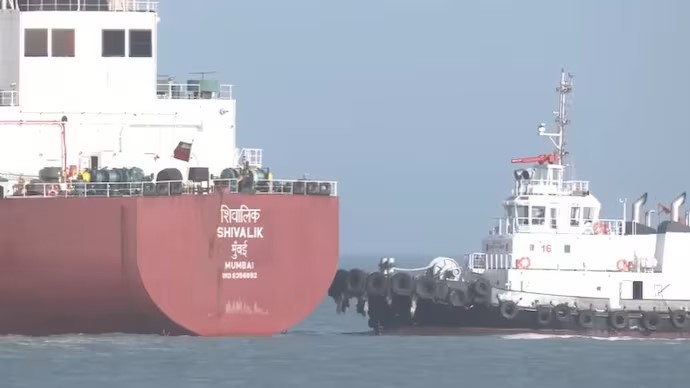
LPG Tanker Shivalik Arrives at Gujarat Port After Navigating Conflict Zone
The CSR Journal Magazine

The LPG tanker Shivalik has successfully docked at Mundra Port in Gujarat after traversing the perilous waters of the Strait of Hormuz, which has been affected by ongoing conflicts in the region. The arrival marks a significant milestone for maritime operations amidst geopolitical tensions that have heightened risks for shipping routes.

Significance of the Strait of Hormuz Crossing

The Strait of Hormuz, a strategic waterway, is a critical passage for global oil shipments. The area has seen escalated military activities in recent times, which create challenges for vessels crossing the strait. Successfully navigating these waters is a noteworthy achievement for the shipping industry, especially for tankers transporting liquefied petroleum gas (LPG).

Impact on Energy Supply Chains

The safe arrival of the Shivalik at Mundra Port is expected to have positive implications for India’s energy supply chains. LPG is a vital resource for both domestic and industrial consumption. The tanker’s journey emphasizes the robustness of India’s energy logistics network, even in challenging maritime environments.

Operational Details of the Journey

The tanker Shivalik completed its passage through the Strait of Hormuz, demonstrating the effectiveness of navigational protocols employed by maritime authorities. The vessel was equipped with advanced technology and safety measures designed to mitigate risks associated with navigating conflict zones. This operational success highlights the importance of preparedness in maritime transportation.

The Role of Maritime Authorities

Maritime authorities played a crucial role in ensuring the safe passage of the Shivalik through potentially dangerous waters. Continuous monitoring and intelligence sharing are instrumental in safeguarding vessels during their journeys, particularly in regions experiencing political unrest or military confrontations.

Implications for Future Shipping Routes

The Shivalik’s successful navigation of the Strait of Hormuz sets a precedent for future maritime logistics. It potentially encourages shipping companies to maintain routes that traverse high-risk areas by bolstering safety measures and contingency planning. This incident may lead to revisions in shipping protocols, aiming to address logistical challenges presented by global conflicts.

Geopolitical Context Surrounding the Strait of Hormuz

The Strait of Hormuz remains a focal point of geopolitical tensions, with various nations asserting interests that complicate maritime navigation. The continuous presence of military assets in the region increases the stakes for vessels operating in these waters. The ongoing situation necessitates adaptations in shipping strategies to ensure the safety and security of cargo deliveries.

Future Perspectives for Maritime Shipping in Conflict Zones

As global shipping continues to confront the realities of geopolitical instability, the experience gained from the Shivalik’s journey could serve as a learning opportunity for the maritime industry. Companies may need to reassess risk management practices and enhance resilience to navigate successfully through such critical waterways. The dynamics of shipping routes are expected to evolve as the industry adapts to new challenges posed by global conflicts.

Long or Short, get news the way you like. No ads. No redirections. Download Newspin and Stay Alert, The CSR Journal Mobile app, for fast, crisp, clean updates!

App Store –  https://apps.apple.com/in/app/newspin/id6746449540 

Google Play Store – https://play.google.com/store/apps/details?id=com.inventifweb.newspin&pcampaignid=web_share

Latest News

Popular Videos
