


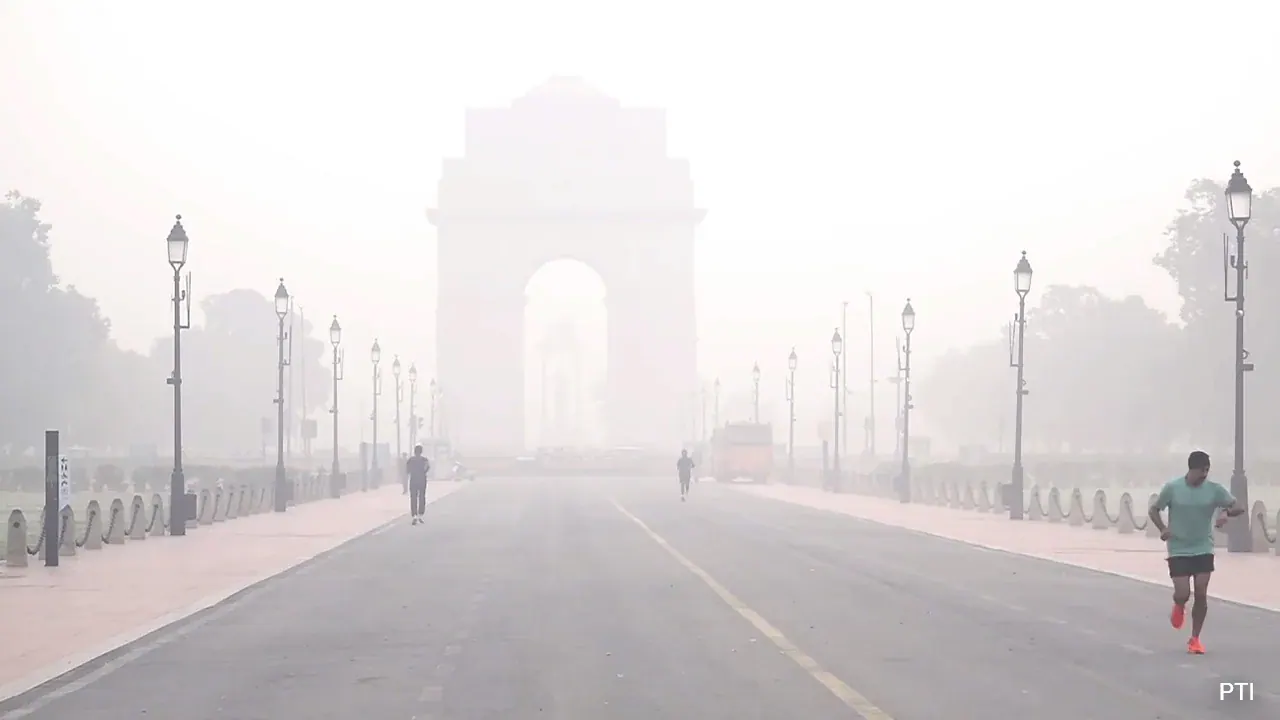

Delhi’s Air Quality Deteriorates as Winter Pollution Measures Begin

The CSR Journal Magazine

Delhi’s air quality has entered the ‘very poor’ category for the first time this winter, coinciding with the implementation of pollution-control measures that commenced on November 1. The Central Pollution Control Board (CPCB) reported an Air Quality Index (AQI) of 314 at 10:00 am on the same day. This figure reflects the morning reading and does not represent the daily average, which will be published later in the afternoon.

According to the CPCB’s AQI scale, readings are classified as follows: 0-50 is ‘good’, 51-100 is ‘satisfactory’, 101-200 is ‘moderate’, 201-300 is ‘poor’, 301-400 is ‘very poor’, and 401-500 is ‘severe’. With the AQI surpassing the 300 threshold, Delhi has officially entered the ‘very poor’ range, activating Stage 2 of the Graded Response Action Plan (GRAP).

Stage 2 of GRAP is triggered when the AQI remains between 301 and 400, leading to the enforcement of additional measures aimed at curbing pollution levels in the city. The current situation reflects a growing concern regarding air quality as the winter season progresses.

Monitoring Stations Report Widespread Poor Air Quality

Various monitoring stations throughout Delhi and its neighbouring areas have recorded air quality levels classified as ‘poor’ to ‘very poor’. The CPCB indicated that the AQI reached 370 in RK Puram, 349 near Akshardham Temple, and 335 around India Gate and Janpath. Other notable readings included 349 at ITO and 313 in Burari.

Additional areas reported elevated pollution levels, with AQI figures of 258 in Badarpur, 213 in Chhawla, and 310 in Uttam Nagar. Other locations such as Ghoga, Nangloi, and JNU also recorded AQI levels of 274, 319, and 319, respectively. The highest readings were noted at Sirifort with 354 and at Delhi University’s North Campus with 359.

The widespread poor air quality across the capital highlights the urgent need for effective pollution control measures, particularly as winter conditions often exacerbate these issues.

Implementation of the Winter Action Plan

The decline in air quality aligns with the launch of the Delhi government’s Winter Action Plan, which is designed to combat rising pollution levels during the colder months. This plan includes a series of restrictions that will remain in effect until February 28, 2024.

As part of the measures, all dust-generating demolition and outdoor construction activities have been prohibited from November 1 to January 31, except for essential public infrastructure projects that comply with specific conditions. Additionally, a complete ban on construction activities will be enforced from December 10 to January 20.

To further mitigate pollution, the Delhi government has adjusted the working hours for its offices, which will now operate from 10:00 am to 6:30 pm. Municipal Corporation offices will function from 8:30 am to 5:00 pm. Parking fees at authorised lots have been doubled to discourage the use of private vehicles during this period.

On the first day of the Winter Action Plan, authorities imposed penalties totalling Rs 68.4 lakh, including fines for violations related to the Pollution Under Control Certificate (PUCC) norms. Enforcement teams checked nearly 15,000 vehicles, resulting in the issuance of 566 challans for various infractions.

These actions underscore the government’s commitment to addressing air quality issues as winter progresses, with a focus on reducing vehicular emissions and controlling dust pollution.

Long or Short, get news the way you like. No ads. No redirections. Download Newspin and Stay Alert, The CSR Journal Mobile app, for fast, crisp, clean updates!

App Store – https://apps.apple.com/in/app/newspin/id6746449540

Google Play Store – https://play.google.com/store/apps/details?id=com.inventifweb.newspin&pcampaignid=web_share

Latest News

Popular Videos