


Kuwait, Bahrain, Qatar Sound Missile Alerts After Fresh US Strikes On Iran
The CSR Journal Magazine

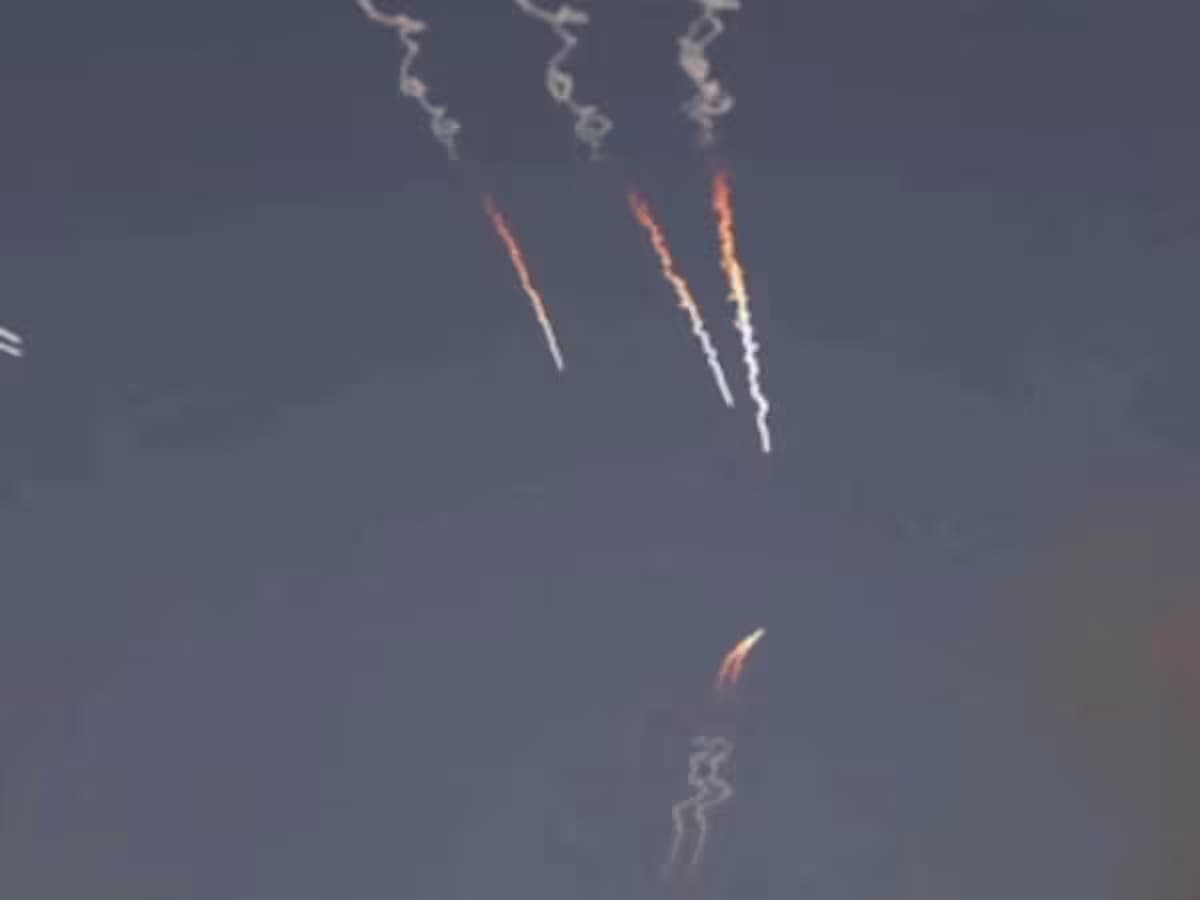
Kuwait, Bahrain and Qatar sounded missile alert sirens early Thursday after the United States launched a fresh round of airstrikes on Iran, raising concerns of renewed escalation in the conflict. Kuwait’s military said it was intercepting incoming missiles and drones, while no immediate damage was reported in the three Gulf Arab countries.

The latest US strikes followed Iranian attacks on Bahrain and Kuwait on Wednesday in retaliation for earlier American military action. The renewed fighting has placed the fragile ceasefire under further strain after US President Donald Trump said Iranian attacks on ships in the Strait of Hormuz indicated that the interim agreement was effectively “over”.

US Launches Fresh Strikes On Iranian Targets

The latest American military operation began later on Wednesday, a day after US forces struck Iranian military installations and port facilities following attacks on merchant vessels off the coast of Oman.

US military officials said the fresh strikes were intended to “further degrade” Iran’s ability “to threaten freedom of navigation” in the Strait of Hormuz.

The strategically important waterway handled about a fifth of the world’s traded oil and natural gas before the conflict began with US and Israeli attacks on Iran on February 28.

Iranian state media reported explosions in several locations, including Bushehr, which houses Iran’s nuclear power plant complex, and the southern port cities of Chabahar, Konarak, Bandar Abbas and Sirik.

After leaving the NATO summit in Ankara, Trump posted videos on his social media platform that he said showed explosions in Iran and warned Tehran against carrying out further attacks.

“This is in retribution for yesterday’s bombing of ships by Iran. If it happens again, it will get much worse!” Trump wrote.

Trump Says Military Action Will Not Be Long-Term

Earlier on Wednesday, Trump said the latest fighting would not result in prolonged US military action against Iran, while suggesting American forces could escalate their operations if necessary.

“Anything that happens is going to happen very fast,” Trump said, adding that the US military might “just finish the job.”

Trump also repeated earlier threats to strike Iranian civilian infrastructure, including electric power and desalinisation plants, and seize Kharg Island, the country’s key oil-production hub.

The US president has previously threatened to take control of Kharg Island, through which about 90 per cent of Iran’s oil exports pass.

Trump later increased uncertainty over the future of the ceasefire by declaring that the interim agreement to halt fighting was “over”, although he said negotiations could continue.

“For me, I think it’s over,” Trump said when asked about the status of the ceasefire. Referring to negotiations, he added: “They can talk, but I think they’re wasting their time.”

Iran Retaliates Against US Military Sites In Gulf

The latest escalation followed attacks on three tankers on Tuesday, which prompted US strikes against Iran. Iranian forces subsequently retaliated by targeting American military installations in the Persian Gulf.

Iran maintains that the interim ceasefire agreement gives Tehran the right to manage traffic through the Strait of Hormuz.

Iranian Parliament Speaker Mohammad Bagher Qalibaf, a key negotiator in talks aimed at securing a permanent end to the conflict, rejected pressure from Washington.

“The era of bullying and extortion is over. It leads nowhere. We don’t fold,” Qalibaf wrote on X.

Iranian Deputy Foreign Minister Kazem Gharibabadi, another senior negotiator, responded to Trump’s remarks by saying they “are not a sign of power but an admission of the failure” of US policy towards Iran.

Kuwait Says It Intercepted Missiles And Drones

Bahrain, which hosts the US Navy’s 5th Fleet, and Kuwait, where US Army forces are stationed, sounded missile alerts on Wednesday morning after Iran launched attacks targeting American military installations.

Iran’s Revolutionary Guard said it had targeted US military sites in both countries.

Kuwait said its forces intercepted two ballistic missiles and 13 drones launched by Iran. The Kuwaiti Electricity Ministry said several power lines were taken out of service after shrapnel fell on them.

Missile alert sirens were again sounded in Kuwait, Bahrain and Qatar early Thursday following the latest US strikes on Iran. There was no immediate report of damage in the three countries.

Strait Of Hormuz Dispute Complicates Peace Talks

The renewed attacks on shipping in the Strait of Hormuz despite ongoing negotiations could indicate divisions within Iran’s leadership over the future of the strategically important waterway.

Hard-line factions favour maintaining lasting control over the strait, which provides Tehran with significant leverage against Western countries because of its importance to global energy supplies. Pragmatists, however, are seeking a permanent peace agreement that could lead to sanctions relief and ease pressure on Iran’s economy.

Negotiations on a final settlement were expected to begin after the dayslong funeral of Iran’s Supreme Leader Ayatollah Ali Khamenei, who was killed on February 28 during the opening stages of the war.

The funeral concludes on Thursday and had been expected to provide a period of reduced tensions before negotiations resumed. The planned talks are expected to address some of the most difficult issues in the conflict, including fully reopening the Strait of Hormuz and rolling back Iran’s disputed nuclear programme.

US Targets Iranian Naval And Air Defence Capabilities

On Tuesday, the US military’s Central Command said American forces had struck several Iranian targets, including air-defence systems, radar installations and more than 60 small boats operated by Iran’s paramilitary Revolutionary Guard.

The vessels have played a central role in threatening commercial shipping in the Strait of Hormuz. Iran’s ability to nearly halt maritime traffic through the waterway during the conflict has been viewed as one of Tehran’s most significant strategic advantages.

The latest exchange of US strikes and Iranian retaliation has placed the ceasefire under renewed pressure, while attacks on commercial vessels have added uncertainty over the planned negotiations and the future of navigation through the Strait of Hormuz.

Long or Short, get news the way you like. No ads. No redirections. Download Newspin and Stay Alert, The CSR Journal Mobile app, for fast, crisp, clean updates!

App Store –  https://apps.apple.com/in/app/newspin/id6746449540 

Google Play Store – https://play.google.com/store/apps/details?id=com.inventifweb.newspin&pcampaignid=web_share

Latest News

Popular Videos
