


Kamala Harris Says Donald Trump Was Influenced by Benjamin Netanyahu in Iran Conflict Decisions
The CSR Journal Magazine

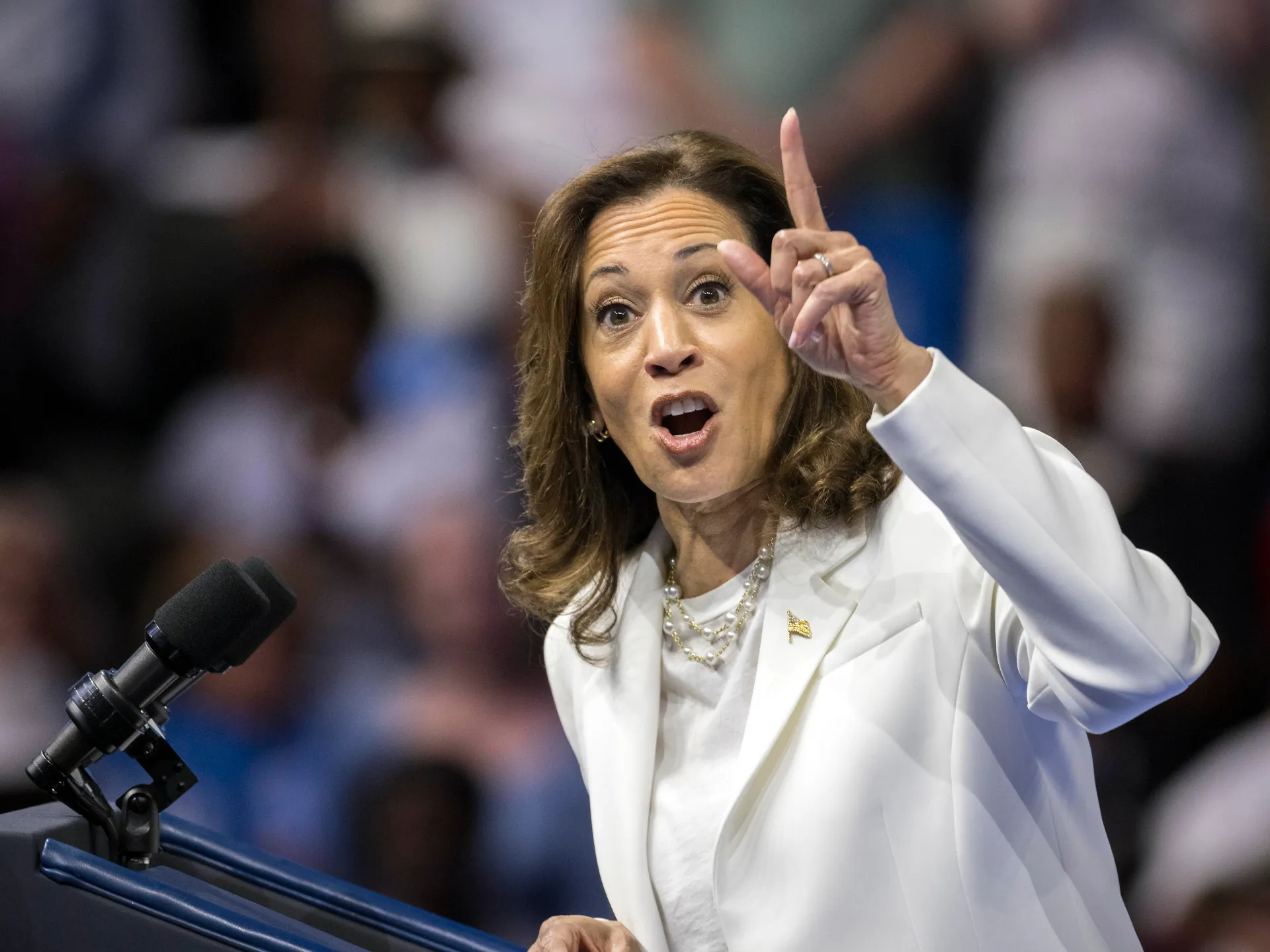
United States Vice President Kamala Harris has stated that former President Donald Trump was reportedly coerced into taking actions related to the Iran conflict due to influence from Israeli Prime Minister Benjamin Netanyahu. This comment was made during a recent public appearance, where Harris expressed concerns over foreign influence in American military decisions. She underscored the importance of maintaining sovereignty in diplomacy and military strategy.

Harris elaborated on the complexities of international relations, suggesting that the involvement of foreign leaders could manipulate American policy. The remark aims to highlight the significance of transparency and independence in decision-making, particularly regarding matters of war and peace.

The Role of International Relations

The Vice President’s comments reflect a broader discourse on the interplay between American foreign policy and international pressures. Analysts have often noted that the U.S. government has a history of balancing interests in the Middle East, with alliance dynamics influencing strategies. Harris highlighted the need to critically evaluate how foreign leaders may sway internal politics.

She advocated for robust discussions on foreign policy, encouraging a more nuanced approach that considers the potential ramifications of external pressures. Harris’s statements resonate with ongoing debates about the extent to which international allies impact the United States’ military engagements, particularly in volatile regions.

The implications of these discussions extend to future electoral processes, where candidates may emphasise their positions on foreign influence. The Vice President’s remarks serve as a reminder of the intertwined relationships that govern international politics and how they affect national decision-making.

Public Response and Impact on Future Policies

The public’s reaction to Harris’s comments has been mixed, with some supporting her call for greater scrutiny over external interference in governmental decisions while others have expressed skepticism regarding her assertions. As the political climate evolves, these discussions have the potential to shape policy debates as the nation approaches upcoming elections.

Political commentators have noted that the dialogue surrounding foreign influence in military decisions is likely to gain momentum, particularly as candidates align themselves with these narratives. Harris’s statements may encourage voters to critically assess the alliances and influences that could affect their nation’s policies.

Moreover, the broader implications of such discourse may lead to a more informed electorate, fostering a greater understanding of how leadership decisions are made. Engaging citizens in these discussions could pave the way for transparent governance and alignment of national interests with the will of the people.

As the dialogue continues, the Vice President’s assertions have ignited concerns about the ramifications of foreign relationships on American sovereignty. It remains to be seen how her comments will influence future debate and policy direction as the nation grapples with its role on the global stage.

Long or Short, get news the way you like. No ads. No redirections. Download Newspin and Stay Alert, The CSR Journal Mobile app, for fast, crisp, clean updates!

App Store –  https://apps.apple.com/in/app/newspin/id6746449540 

Google Play Store – https://play.google.com/store/apps/details?id=com.inventifweb.newspin&pcampaignid=web_share

Latest News

Popular Videos
