


Israeli Airstrikes Target Southern Lebanon Amidst US-Iran Ceasefire Agreement
The CSR Journal Magazine

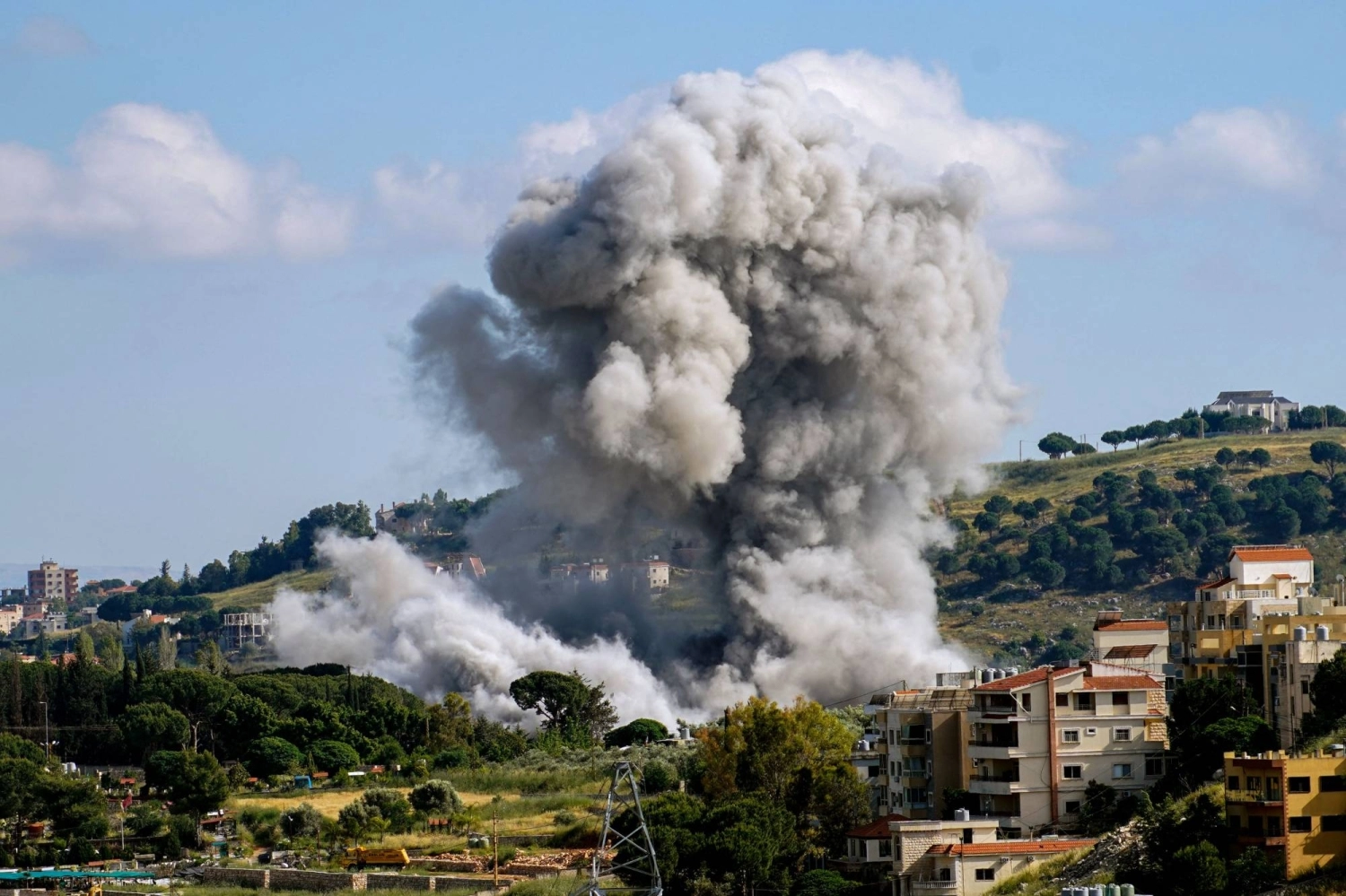
The Israeli military reported that it conducted airstrikes in southern Lebanon overnight, escalating tensions in the region. This military action is reportedly in response to ongoing conflicts involving the Iran-backed Hezbollah group. The renewed hostilities have raised concerns regarding a recent ceasefire agreement established between the United States and Iran aimed at ending conflict on multiple fronts, including Lebanon.

Hezbollah has claimed that intense fighting has erupted in the region as a result of these strikes, complicating an already fragile situation. The Lebanese state-run National News Agency has indicated that at least 16 individuals have lost their lives due to the Israeli bombardment, which is said to be ongoing. These developments come at a critical time, as diplomatic talks are scheduled to take place in Switzerland concerning the broader implications of the ceasefire.

Impact on US-Iran Negotiations

The recent airstrikes coincide with planned discussions between US and Iranian officials aimed at solidifying the ceasefire agreement. These talks, which were set to occur in Switzerland, have reportedly been postponed due to logistical issues. The timing of the strikes has been perceived as undermining the diplomatic efforts to ensure stability in the region, notably concerning Lebanon’s territorial sovereignty, which is guaranteed under the agreement.

Israeli Prime Minister Benjamin Netanyahu has expressed the intention to maintain military presence in Lebanon until the perceived threat from Hezbollah is neutralised. In light of this, the atmosphere for negotiation appears increasingly tenuous. US officials, including Vice President JD Vance, have acknowledged the potential repercussions of the strikes on the ongoing diplomatic process, as tensions have risen significantly since the agreement was ratified.

The ceasefire pact, signed by US President Donald Trump just days ago during a meeting with French President Emmanuel Macron at the Palace of Versailles, is intended to restore peace not only in Lebanon but across the wider conflict zones involving Iran. Although the agreement was set to take immediate effect, the sustained violence in the region poses a significant challenge to its implementation.

Political Reactions and Implications

The escalating situation has prompted varied responses from political leaders. Netanyahu, facing elections later in the year, has remained steadfast in his approach, signalling that Israeli operations will continue in response to Hezbollah’s activities. Meanwhile, the postponement of Vice President Vance’s trip to Switzerland further emphasises the complexities involved in achieving a durable ceasefire.

Reports indicate that Iran has also altered its diplomatic approach, allegedly delaying its delegation’s departure for Switzerland due to the recent military actions. Such shifts in strategy highlight the delicate balance of power and influence that is at stake during these negotiations, especially considering each nation’s historical ties and hostilities in the region.

In conclusion, the combination of Israeli airstrikes, reported casualties, and delays in US-Iran talks adds a layer of difficulty to a diplomatic agreement designed to halt military operations. The ongoing conflicts highlight the intricate and often volatile dynamics present in the region, making lasting peace more elusive than ever.

Long or Short, get news the way you like. No ads. No redirections. Download Newspin and Stay Alert, The CSR Journal Mobile app, for fast, crisp, clean updates!

App Store –  https://apps.apple.com/in/app/newspin/id6746449540 

Google Play Store – https://play.google.com/store/apps/details?id=com.inventifweb.newspin&pcampaignid=web_share

Latest News

Popular Videos
