


app-store-logo
play-store-logo
February 3, 2026

India To Construct Underground Railway In Chicken’s Neck Corridor Amid Security Concerns
The CSR Journal Magazine

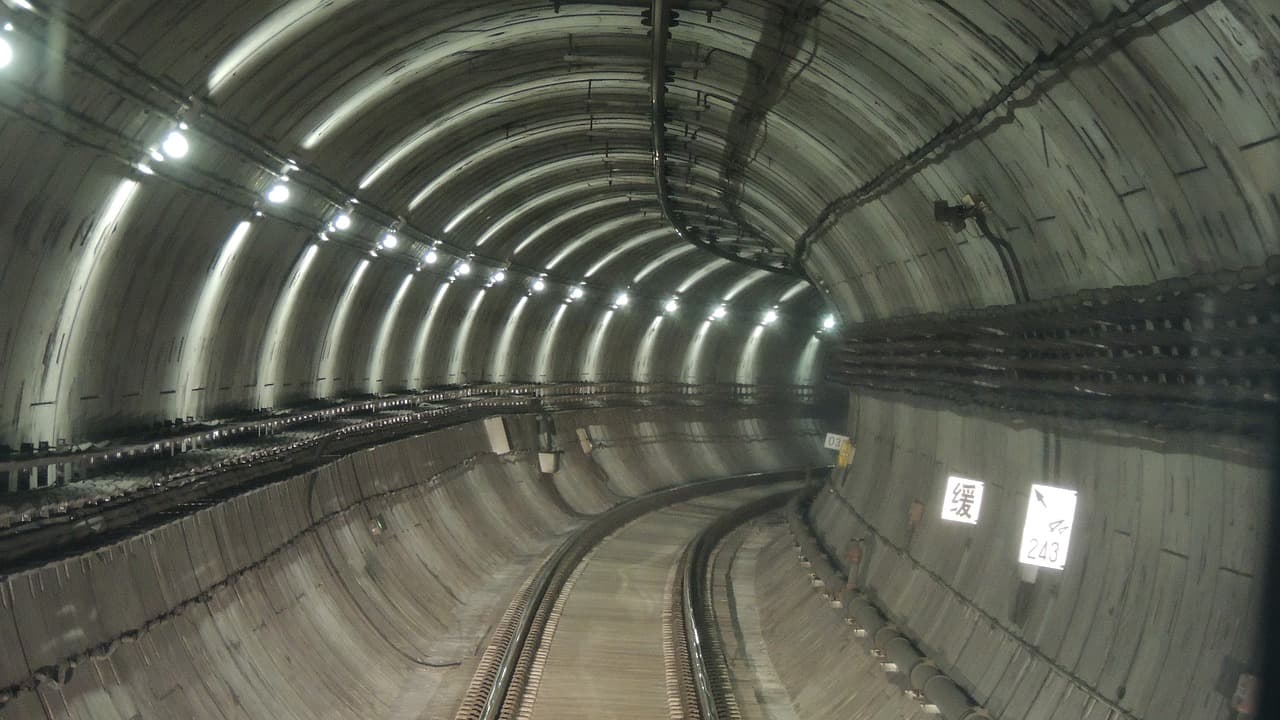
India is planning to build an underground railway corridor along the strategically sensitive Siliguri region in West Bengal, a move aimed at strengthening the only land link between the northeastern states and the rest of the country amid rising security concerns. The proposed stretch, spanning around 40 kilometres, will pass through the narrow Siliguri Corridor, often referred to as India’s “Chicken’s Neck”.

Union Railway Minister Ashwini Vaishnaw announced the plan while outlining allocations for the Railways under the Union Budget, stating that special planning was underway for the critical corridor connecting the Northeast with mainland India. Apart from laying underground tracks, the Centre is also looking to expand existing lines to four tracks to improve capacity and resilience.

The underground section is planned between Tin Mile Haat and Rangapani railway stations, cutting across one of the most strategically important and geographically constrained regions of the country. At its narrowest point, the Siliguri Corridor is only about 20 to 22 kilometres wide, making it a long-standing strategic vulnerability.

Security Concerns Drive Underground Alignment

Railway officials have underlined that the primary rationale behind the underground alignment is security. Northeast Frontier Railway General Manager Chetan Kumar Shrivastava said the proposed stretch is crucial from a security standpoint, given the concentration of critical infrastructure and the corridor’s proximity to multiple international borders.

The Siliguri Corridor is flanked by Nepal, Bhutan and Bangladesh, and carries not just railway lines but also highways, oil pipelines, power transmission lines and communication networks. Any disruption in this narrow strip can potentially cut off the northeastern states from the rest of India, making redundancy and protection a strategic necessity.

By placing railway tracks underground, planners aim to reduce exposure to potential threats and ensure continuity of operations even in adverse scenarios. Officials indicated that the combination of underground tracks and multi-line expansion would significantly enhance operational resilience without adding surface-level congestion in an already crowded zone.

Geopolitical Context And Heightened Vigilance

The announcement comes amid evolving geopolitical and security dynamics in the region. In recent months, Indian security agencies have stepped up vigilance around the Siliguri Corridor following reports of increased Chinese activity in areas close to the corridor and political developments in Bangladesh.

A high-level, multi-agency security review was held in Siliguri late last year to assess emerging risks. India has also reportedly established additional army garrisons along the Indo-Bangladesh border and strengthened air-defence coverage around the corridor to address potential vulnerabilities.

Former Eastern Army Commander Lt Gen Rana Pratap Kalita had earlier flagged the Siliguri region as an area requiring sustained attention, citing both external and regional factors. While officials have not publicly linked the underground rail project to any single threat, the timing underscores the Centre’s focus on securing critical transit infrastructure.

Part Of A Larger Northeast Rail Push

The underground corridor forms part of a broader strategy to improve rail connectivity and infrastructure in the Northeast. Under the Union Budget 2026-27, the Centre has allocated Rs 11,486 crore for Assam and other northeastern states, with railway projects worth more than Rs 72,000 crore currently underway in the region.

Finance Minister Nirmala Sitharaman also announced plans for a Varanasi-Siliguri high-speed rail corridor as part of seven new high-speed rail projects covering nearly 4,000 kilometres nationwide. Railway officials said these initiatives are aimed at reducing travel time, boosting economic integration and enhancing strategic mobility.

For the Siliguri Corridor, the focus remains firmly on security and reliability. Officials believe that an underground rail link, combined with expanded surface capacity, will ensure that the Northeast’s vital connection to the rest of India remains secure, functional and future-ready, even under heightened geopolitical stress.

Long or Short, get news the way you like. No ads. No redirections. Download Newspin and Stay Alert, The CSR Journal Mobile app, for fast, crisp, clean updates!

App Store –  https://apps.apple.com/in/app/newspin/id6746449540 

Google Play Store – https://play.google.com/store/apps/details?id=com.inventifweb.newspin&pcampaignid=web_share

Latest News

Popular Videos
