


Gautam Adani Advocates for New Credit Framework for India’s Infrastructure
The CSR Journal Magazine

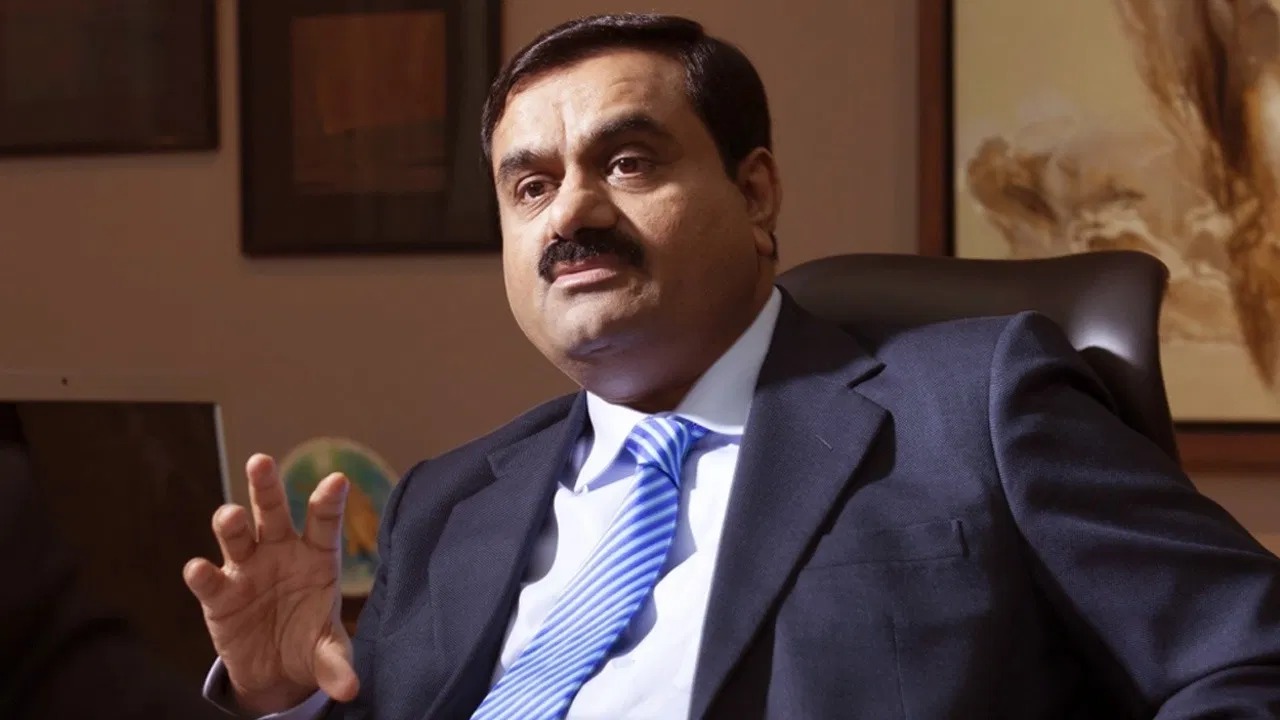
Gautam Adani, Chairman of the Adani Group, emphasised the need for a revised credit framework to evaluate large infrastructure initiatives that promise to foster extensive economic ecosystems. During the ‘Infrastructure Landscape: Vision for Viksit Bharat’ conclave organised by CareEdge Group, Adani highlighted that conventional rating systems may be ill-equipped to fully appreciate the complexities of India’s evolving infrastructure landscape.

According to Adani, the nation’s infrastructure aspirations and the types of projects currently under development are evolving. He stated that this transformation necessitates a corresponding evolution in rating frameworks. “Transformational infrastructures can be constrained not only by a lack of ambition or capital but also by the frameworks through which risks are assessed. This is not a call for less scrutiny; India does not need lower standards. What we require are wider lenses,” he noted.

Need for Enhanced Analytical Frameworks

Adani pointed out that many existing analytical frameworks were conceived at a time when infrastructure projects were more incremental. These frameworks often assess standalone cash flows and may overlook the broader economic advantages generated when diverse infrastructure assets are interconnected.

He referenced the Mundra port in Gujarat, which has since developed into an extensive ecosystem that includes railways, logistics centres, power plants, industrial zones, traders, and manufacturers. “Mundra illustrates that platform infrastructure operates as a multi-layer network where each new layer supports and mitigates risks for others, creating an economic compounding effect that traditional financial models often fail to capture,” he explained.

Strategic Infrastructure Projects and Their Impacts

Adani also spoke about the difficulties faced by the Vizhinjam port in Kerala, particularly in attracting investment due to its complexity and associated risks. He revealed that the port achieved the milestone of two million Twenty-foot Equivalent Units (TEUs) in just eighteen months, making it the fastest Indian port to reach this benchmark.

He argued that evaluating strategic infrastructure projects should extend beyond financial returns to include their role in enhancing national resilience and stimulating wider economic activity. Adani categorised infrastructure into three types: replacement infrastructure, growth infrastructure, and platform infrastructure. While traditional rating frameworks are suitable for replacement infrastructure, he stated that the other two categories require tools that factor in ecosystem impacts and multiplier effects.

The Role of Platforms in Creating New Economic Opportunities

Citing Mundra, Vizhinjam, and the Khavda renewable energy project as key examples of “platform infrastructure,” Adani asserted that such projects have the potential to create new demand, ecosystems, and capabilities, rather than merely satisfying existing demands. “Platforms like Mundra, Vizhinjam, and Khavda generate new demand. They build new ecosystems and enhance capabilities, thereby altering the surrounding economic environment,” he noted.

He connected the evolution of infrastructure to the growth of artificial intelligence, saying the future success of AI is heavily reliant on physical infrastructure, including electricity, data centres, cooling systems, transmission networks, and land. “AI may appear to be software, but fundamentally, it operates on infrastructure,” Adani remarked, advocating for a broader perspective on projects such as Khavda, which should be seen not just as power-generating facilities but as vital contributors to India’s expanding AI ecosystem.

Proposal for an Integrated Credit Framework

Adani urged CareEdge to take the initiative in developing a comprehensive credit framework for integrated platform infrastructure. He suggested that this framework should acknowledge ecosystem multipliers, adjacency value, and the strategic advantages afforded by large infrastructure platforms. “Why can’t the world’s first truly comprehensive Credit Framework for Integrated Platform Infrastructure originate from India? Why shouldn’t CareEdge spearhead this effort?” he questioned.

He underscored that his proposal is not an appeal for reduced standards but rather a request for dynamic models that can accurately reflect the broader implications of infrastructure projects while upholding independent risk assessments. Adani concluded by observing that India’s resources, capabilities, and confidence to aspire to ambitious projects have dramatically increased.

“Today, that India has changed. We possess the resources and capabilities, and most crucially, we have the confidence to dream at a scale once thought unattainable,” he stated.

Long or Short, get news the way you like. No ads. No redirections. Download Newspin and Stay Alert, The CSR Journal Mobile app, for fast, crisp, clean updates!

App Store – https://apps.apple.com/in/app/newspin/id6746449540

Google Play Store – https://play.google.com/store/apps/details?id=com.inventifweb.newspin&pcampaignid=web_share

Latest News

Popular Videos
