


Global Coal Demand Expected to Increase by 2026, India’s Consumption Forecasted to Rise at 4.2%
The CSR Journal Magazine

Global coal demand is anticipated to experience a further increase by 2026, according to a recent report by the International Energy Agency (IEA). The rise is attributed to elevated natural gas prices, geopolitical disruptions, and weather-related factors that favour coal-fired power generation. The IEA forecasts a growth of 1.2 per cent, bringing global coal demand to a record 8.94 billion tonnes, reversing previous expectations of a downturn.

However, the IEA warns that the outlook for 2027 might be less optimistic. If tensions in the Middle East diminish and liquefied natural gas (LNG) flows through the Strait of Hormuz return to pre-conflict levels, the demand for coal may drop by 0.4 per cent to around 8.91 billion tonnes. This variability underscores the delicate balance in energy markets influenced by numerous external factors.

India’s Growth in Coal Consumption

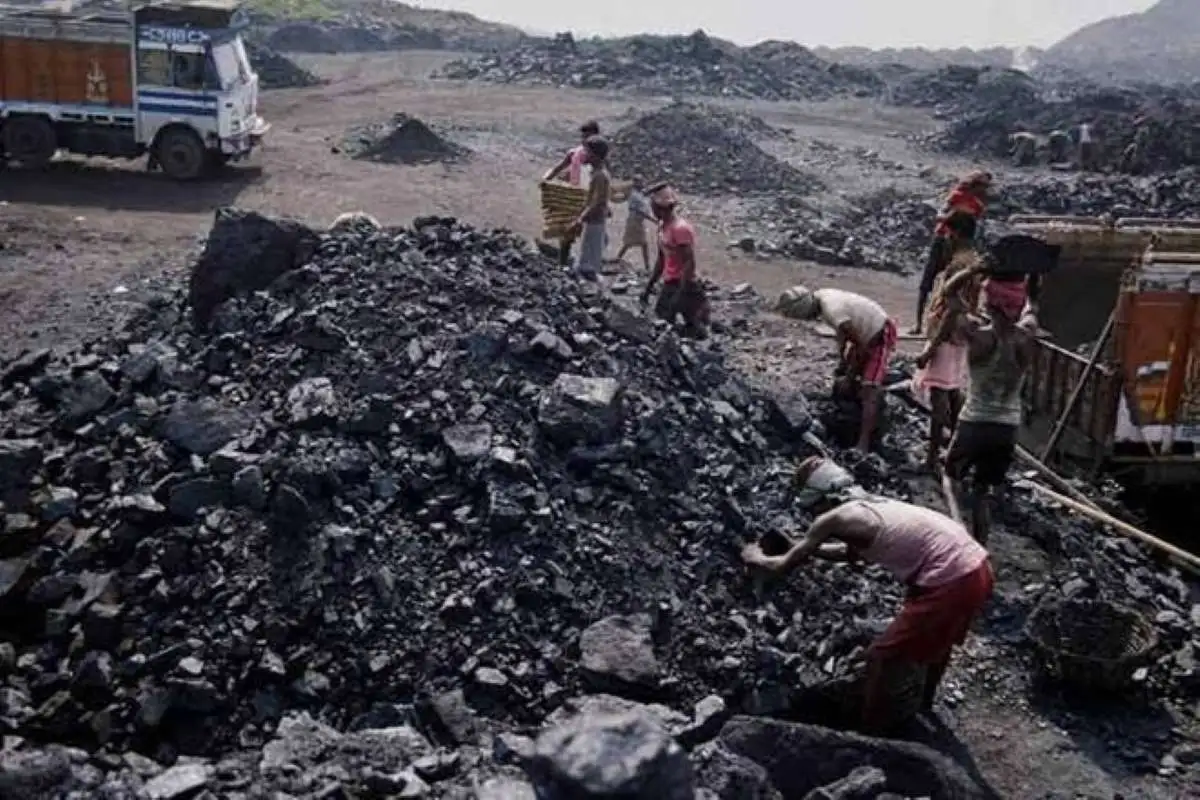
The near-term projections for India suggest a substantial recovery in coal demand, which is expected to climb by 4.2 per cent to reach 1,353 million tonnes in 2026. This growth is expected to be backed by rising electricity requirements and accelerated industrial activity. Sectors such as pig iron, direct reduction of iron (DRI), and cement production are predicted to make significant contributions to this surge in coal consumption.

Moreover, climatic conditions, particularly the El Niño phenomenon, may further enhance coal usage. The IEA notes that El Niño could lead to increased cooling needs while simultaneously limiting hydropower generation in several Asian regions, thus reinforcing reliance on coal for energy production.

Coal Supply and Price Dynamics

On the supply side, global coal production is forecasted to decline by 0.7 per cent in 2026, primarily due to high stock levels and regulatory measures impacting output. Conversely, India is anticipated to achieve coal production of 1,095 million tonnes, driven by initiatives aimed at boosting domestic supply and lowering dependence on imports. Notably, high pithead inventories have tempered production rates, while thermal coal imports have decreased, especially among power generation facilities.

Coal prices have rebounded from their lows observed in late 2025, though they are still significantly lower than the extraordinary levels recorded during the energy crisis of 2022. As of late August, Newcastle thermal coal was priced at $136 per tonne, while Australian hard coking coal reached $245 per tonne in July, reflecting an increase of approximately 30 per cent compared to figures from 2025.

The IEA suggests that global coal markets are likely to move towards a more balanced state, with a slight uptick in production anticipated for 2027. However, the future trajectory of the sector remains highly sensitive to fluctuations in gas prices, the expansion of renewable energy sources, weather patterns, and geopolitical shifts. As a result, the medium-term outlook may exhibit heightened volatility, notwithstanding the robust demand anticipated in India and certain Southeast Asian nations.

Long or Short, get news the way you like. No ads. No redirections. Download Newspin and Stay Alert, The CSR Journal Mobile app, for fast, crisp, clean updates!

App Store –  https://apps.apple.com/in/app/newspin/id6746449540 

Google Play Store – https://play.google.com/store/apps/details?id=com.inventifweb.newspin&pcampaignid=web_share

Latest News

Popular Videos
