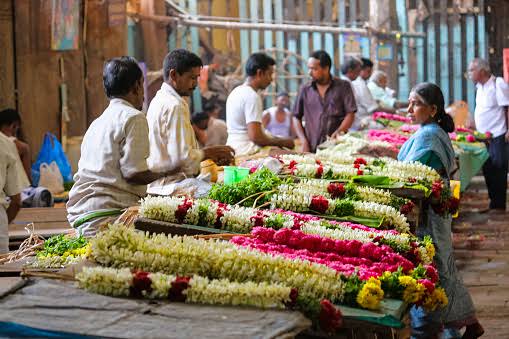
The twelve gopurams of the historic Meenakshi Amman Temple in Madurai have been adorned with colourful flower garlands weighing approximately five tonnes in preparation for the temple’s consecration ceremony set to take place on September 17. The extensive garlanding of all twelve gopurams, which includes the golden vimanas dedicated to Goddess Meenakshi and Lord Sundareswarar, was completed just two days prior to the ceremony.
This elaborate floral decoration effort involved artisans and workers who dedicated significant time and skill to ensure that the intricate designs were ready for the event. The lengths of these grand garlands varied, measuring between 40 feet and 122 feet, reflecting the monumental tradition and importance of the upcoming consecration.
Significance of Meenakshi Amman Temple
The Meenakshi Amman Temple is one of the most esteemed and architecturally notable temples in South India. It is dedicated to Goddess Meenakshi, who is considered an incarnation of Goddess Parvati, alongside her consort Lord Sundareswarar, a form of Lord Shiva. This temple is famous for its tall and intricately carved gopurams, some reaching several storeys high and richly adorned with thousands of vibrant sculptures that narrate tales of deities, mythical beings, and various Hindu texts.
Recognised as one of the finest exemplars of Dravidian temple architecture, the Meenakshi Amman Temple serves as a prominent pilgrimage site and a vital aspect of Tamil Nadu’s cultural heritage. Annually, it attracts numerous devotees and tourists from around the globe, underscoring its significance as a focal point of spiritual and cultural enrichment.
Ensuring that the temple remains a leading centre for worship and tourism is paramount, and the floral decorations contribute to its picturesque and vibrant atmosphere, which enhances the overall experience for visitors and worshippers alike.
Ceremonial Rituals and Coordination of Decoration
Before the flower garlands were transported to the tops of the towering gopurams, a ceremonial offering was made to Vallabha Vinayagar at the Ashta Shakti Mandapam, located near the entrance of the Amman shrine. This was part of the customary rituals conducted prior to major temple ceremonies. Special prayers were performed to seek blessings for the successful completion of the decorative work.
The team also participated in prayers at the Sri Maha Muneeswarar Temple near the northern gopuram before initiating the decoration process. This step was important to ensure the auspiciousness of the undertaking. The initial garland was then lifted to the top of the Eastern Rajagopuram, marking the commencement of the adornment activities.
More than 50 workers were specifically involved in adorning the nine-tiered Eastern Rajagopuram alone, highlighting the vast scope of manpower and coordination necessary for this elaborate undertaking. The transportation of the garlands from Puthumandapam to their respective gopuram locations exemplifies the meticulous planning and teamwork essential for successfully executing such a grand decorative project.
Long or Short, get news the way you like. No ads. No redirections. Download Newspin and Stay Alert, The CSR Journal Mobile app, for fast, crisp, clean updates!