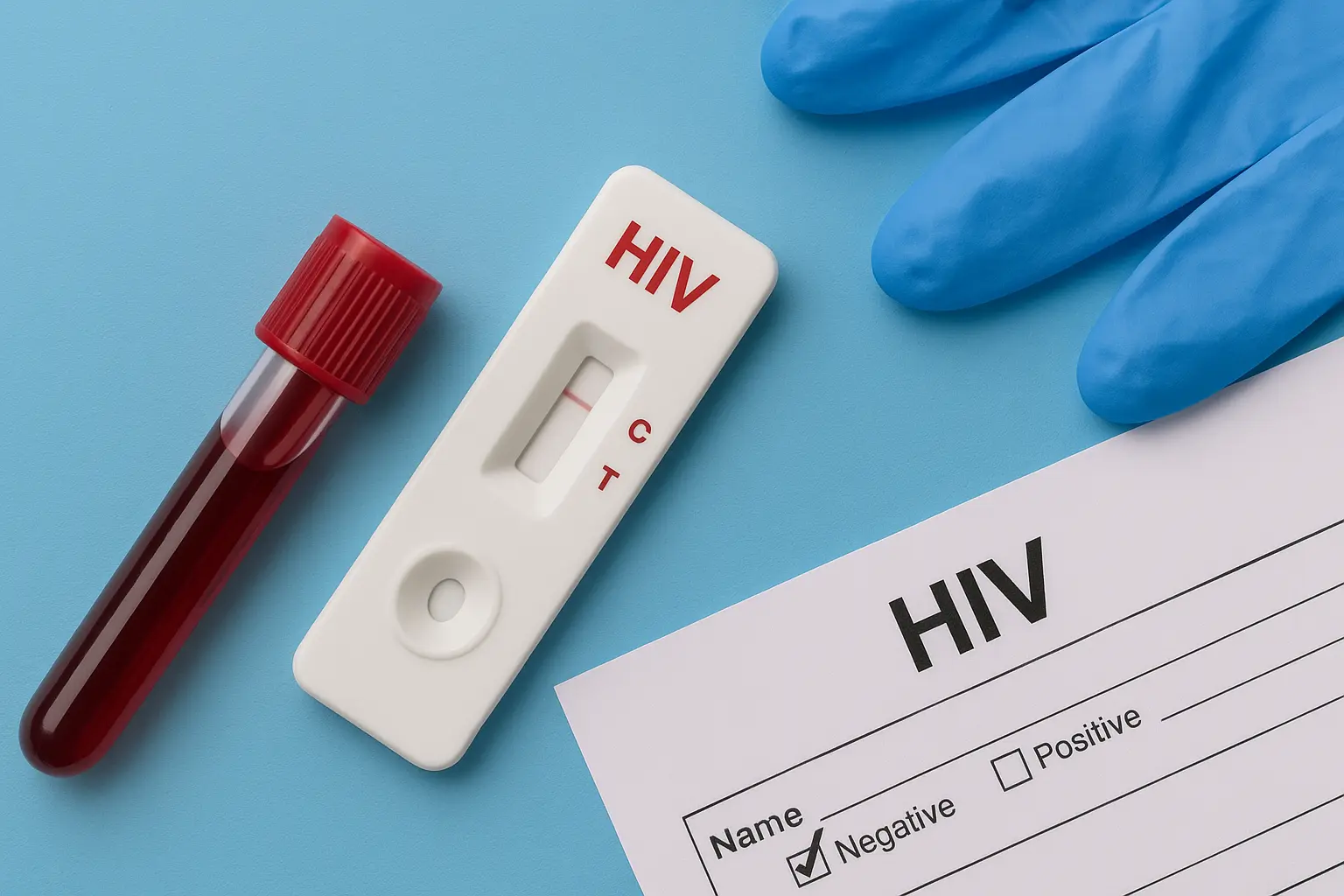
Fiji has officially declared a national emergency in response to rising Human Immunodeficiency Virus (HIV) infections affecting the Pacific island nation. This announcement comes as the country faces a significant escalation in cases, with a CNN report estimating that nearly one in sixty adults are living with HIV. This alarming statistic disrupts a global downward trend in infection rates, prompting concerns regarding public health.
The emergency was announced on Tuesday by Health Minister Dr Atonio Lalabalavu, who highlighted that 2,060 new HIV diagnoses were recorded in 2025 alone. This figure indicates the seriousness of the epidemic and underscores the necessity for an immediate and coordinated response from health authorities. Fiji initially reported an HIV outbreak in January 2025, triggering increased testing efforts that exposed the scale of the crisis.
The impact of the outbreak extends to newborns, with Save the Children Fiji reporting that a two-month-old infant has become the youngest known patient living with both HIV and tuberculosis (TB). The organisation noted that 59 babies acquired HIV from their mothers last year, reflecting the urgency of addressing maternal transmission.
Factors Contributing to the HIV Surge
The dramatic rise in HIV infections in Fiji has coincided with an increase in intravenous drug use, as the nation has become a key transit hub for narcotics trafficking. This situation has seen drug use emerge as a significant factor behind the surge in cases, alongside other complications such as low condom usage, multiple sexual partners, and widespread stigma that hinders testing and treatment efforts.
Renata Ram, an adviser for the Joint United Nations Programme on HIV/AIDS (UNAIDS), indicated that the current figures may not adequately represent the crisis’s extent. Approximately 39 per cent of individuals living with HIV in Fiji know their status, with a mere 22 per cent receiving treatment. Untreated HIV can progress to Acquired Immunodeficiency Syndrome (AIDS), leading to severe health complications.
The national health statistics for 2025 revealed 117 HIV-related deaths, a sharp increase from 25 in 2021. Reports indicate that individuals who inject drugs account for approximately fifty per cent of new HIV cases, highlighting the critical need for targeted interventions regarding safer practices and access to services.
Community Barriers and Government Response
The rising crisis is compounded by various barriers that prevent individuals from seeking treatment. Joeli Colati, the executive director of Fiji Network Plus, expressed concerns regarding the stigma associated with HIV, making people reluctant to engage in healthcare services. Societal norms surrounding premarital and casual sex contribute to a general lack of public understanding about HIV transmission and treatment effectiveness.
In response to the escalating situation, the Fijian government plans to enhance access to HIV testing and treatment, as well as improve availability of pre-exposure prophylaxis (PrEP), a medication designed to prevent HIV. The introduction of a formal needle and syringe programme is also to mitigate the spread of the virus among injecting drug users.
Health Minister Lalabalavu has urged the public to seek testing promptly if they believe they may have been exposed to HIV, whether through shared needles or unprotected sexual encounters. He has requested the community to foster a supportive environment for those living with HIV, emphasising that stigma can deter individuals from accessing necessary medical care.
Long or Short, get news the way you like. No ads. No redirections. Download Newspin and Stay Alert, The CSR Journal Mobile app, for fast, crisp, clean updates!