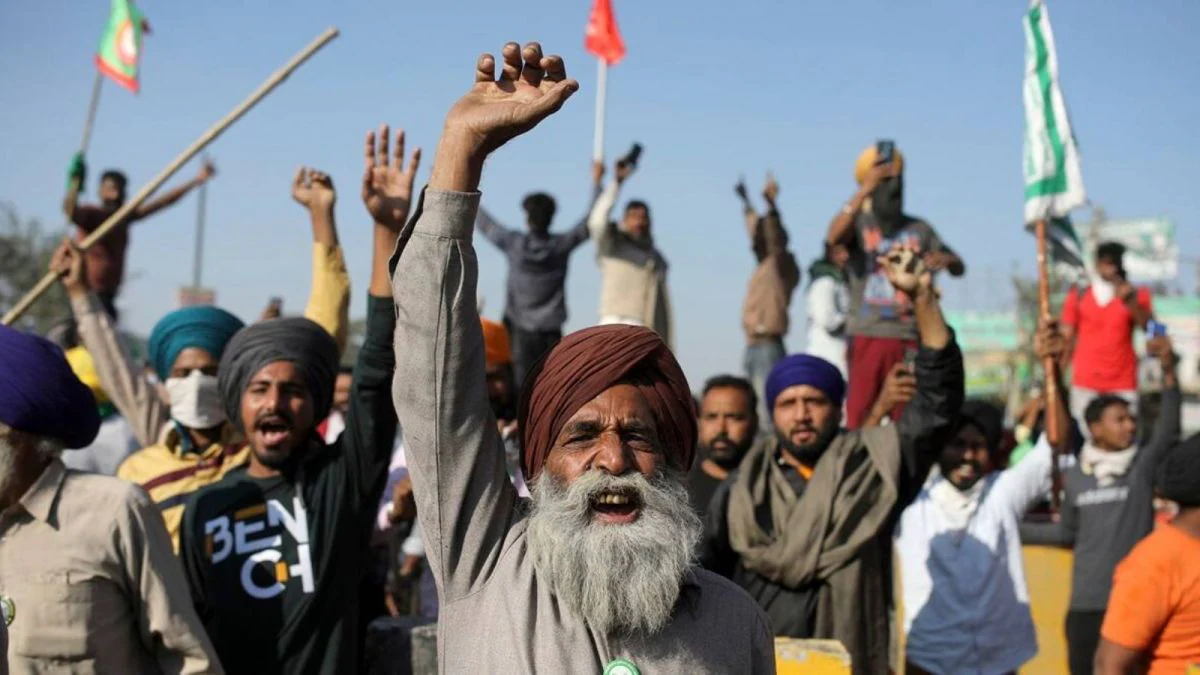
In a recent announcement, the Samyukt Kisan Morcha (SKM) indicated that farmers will take to the streets on February 12 to protest against the interim trade agreement between India and the United States. The organization has voiced strong opposition to the deal, stating that it poses a significant threat to Indian agriculture.
Concerns Over Agricultural Policy
The SKM remarked that the framework of the trade agreement represents a complete surrender of Indian agriculture to American multinational corporations. This assertion highlights the group’s concerns regarding the potential implications of the deal on local farmers and agricultural sustainability. The farmers argue that the agreement contradicts government claims of supporting domestic agricultural interests.
Demand for Minister’s Resignation
In addition to opposing the trade accord, the farmer organizations have demanded the resignation of Union Commerce Minister Piyush Goyal. This demand underscores their dissatisfaction with the government’s approach to agriculture and trade negotiations, which they believe undermines the welfare of Indian farmers.
Broader Context of the Protests
The upcoming protests are part of a larger movement by farmers across India, who have previously engaged in demonstrations against various policies affecting their livelihoods. The SKM’s call to action reflects ongoing apprehensions regarding the direction of agricultural policy and trade negotiations with foreign nations, particularly in light of their effects on small and marginal farmers.
Implications for Domestic Agriculture
Farmers fear that the India-US trade deal could introduce competition that may destabilize local markets. Concerns have been raised that the influx of cheaper agricultural products from the US could undermine the prices of locally produced goods, putting many farmers at risk of financial instability. This apprehension is rooted in experiences from previous trade agreements where local industries were adversely affected.
Responses from the Government
While the government has not made an official response to the impending protests, officials have previously asserted that such agreements are designed to enhance trade relations and economic opportunities. However, the conflicting sentiments expressed by farmer organizations indicate a significant divide between government perspectives and the views held by agricultural stakeholders.
Looking Ahead
As the date of the protests approaches, the SKM has urged supporters to rally in large numbers to make their voices heard. They intend to highlight what they perceive as the follies of the trade agreement and demand revisions that prioritize the interests of Indian farmers. The outcome of these demonstrations may influence future agricultural policies and negotiations on trade agreements.
International Trade Dynamics
The India-US trade discussions are an element of broader international trade dynamics in which India seeks to bolster its economic position globally. While the government aims to pursue favorable arrangements that could benefit the economy at large, the farmers’ protests underscore the need for a more nuanced approach that takes into account the unique challenges faced by those in the agricultural sector.
A Crucial Period for Indian Farmers
This protest is seen as pivotal for Indian farmers who continue to navigate the complexities associated with trade liberalization and globalization. The unfolding events may prompt a reconsideration of how agricultural policies are developed and implemented in India, particularly in relation to international agreements that could affect the livelihoods of millions.