


Experts Discuss Traffic Management and Urban Growth in Bengaluru
The CSR Journal Magazine

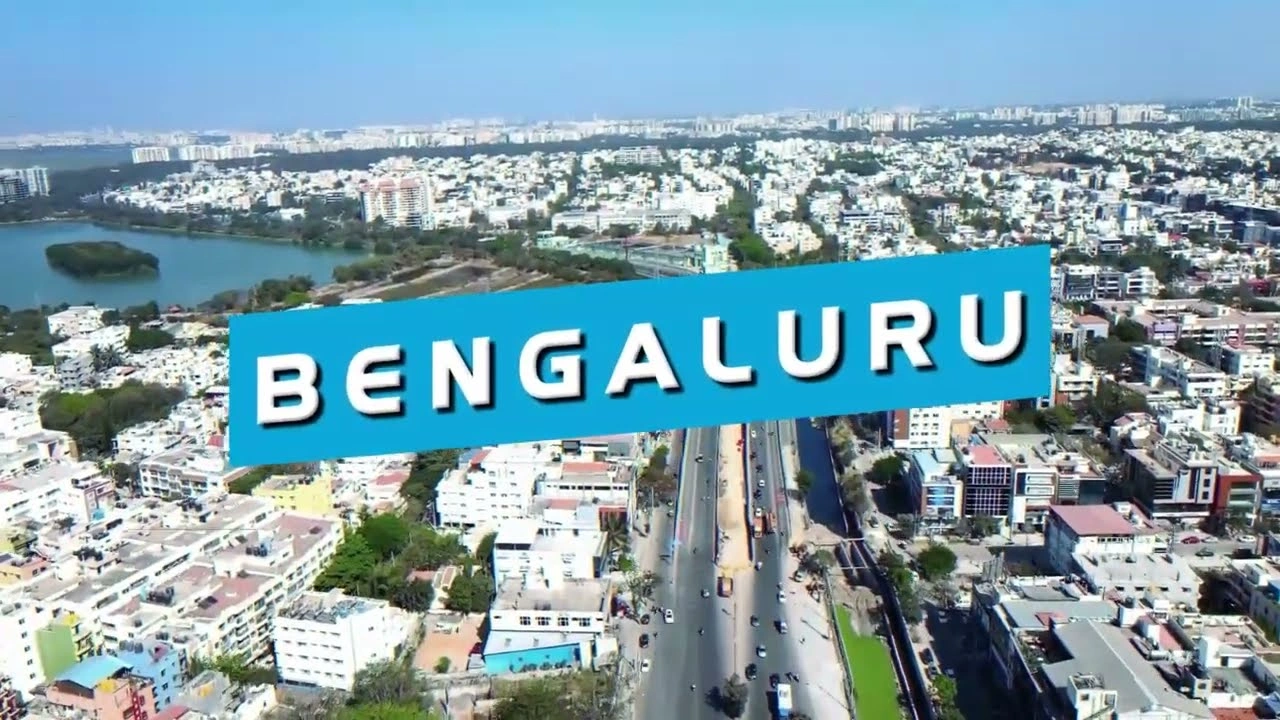
Experts addressed the challenges of managing Bengaluru’s rapid growth at the India Today Karnataka Summit 2026. The city’s success has resulted in significant strain on its roads and public transport systems. Notably, the discussions featured insights from NA Haris, Srinivas Alavilli, Revathy Ashok, and Harish Bijoor, who focused on the future of Bengaluru’s transportation and urban planning.

Srinivas Alavilli from WRI India drew attention to the increasing utilisation of public transport in Bengaluru, particularly in light of recent initiatives like the Shakti scheme and the expansion of the metro system. The rising ridership indicates a willingness among residents to switch from personal vehicles to public transport when it is made more user-friendly and accessible.

Despite these advancements, Revathy Ashok emphasised that improvements to the transport framework are essential. Although metro services and suburban rail are significant long-term solutions, she highlighted the immediate need for more reliable bus services, enhanced bus stops, and real-time updates for commuters. Unpredictable public transport services deter individuals from opting for alternatives to their private vehicles.

Traffic Solutions Beyond Road Expansion

The panel further explored Bengaluru’s challenges associated with its limited road infrastructure. Ashok suggested that instead of solely focusing on road construction, innovative solutions such as underground systems might be required in areas experiencing heavy congestion. The panel acknowledged that merely adding roads would not resolve the issue.

NA Haris pointed out the necessity for improved pedestrian pathways and designated areas for street vendors, arguing that neglecting these aspects will not effectively address urban congestion. The discussion underscored the importance of behavioural changes in travel patterns, suggesting that public transport would only flourish if citizens actively participate in its usage.

A compelling proposal emerged from Harish Bijoor, who articulated a need for Bengaluru to be “demagnetised”. He stressed that although the city attracts vast numbers of businesses and professionals, its infrastructure is unable to cope with this influx. Bijoor stated that the city’s population and vertical development have surged, while its road network remains largely stagnant.

Future Directions for Bengaluru

Bijoor advocated for the decentralisation of development, identifying neighbouring regions like Ramanagara and other satellite cities that could be better integrated with Bengaluru through improved transport links. He cautioned against unfettered growth, encapsulating his perspective with the phrase, “Greed is good, but greed up to a limitation is good.” This highlights the delicate balance between fostering economic development and maintaining infrastructure viability.

Srinivas Alavilli provided an alternative viewpoint, celebrating Bengaluru’s job creation potential rather than suggesting a reduction in population density. He pointed out that the mismatch between infrastructure growth and increasing population dynamics poses a significant challenge. Alavilli also highlighted the need for additional government personnel, including traffic officers and urban planners, to support the city’s expansion.

Ultimately, the summit raised critical questions about what Bengaluru desires moving forward. Haris asserted the city’s status as one of India’s most liveable cities, urging citizens and authorities to work collaboratively. Bijoor added that increased civic ownership is crucial, warning against transforming Bengaluru into a “rented city” devoid of community responsibility.

The panellists concluded that private enterprises also play a vital role, particularly since daily commutes contribute substantially to traffic congestion. Encouraging employees to utilise public transport could mitigate some of these challenges. For Bengaluru, the key takeaway is that growth must continue, but it should be better managed through enhanced transport systems, coordinated development, and active citizen engagement to retain the city’s unique attributes.

Long or Short, get news the way you like. No ads. No redirections. Download Newspin and Stay Alert, The CSR Journal Mobile app, for fast, crisp, clean updates!

App Store –  https://apps.apple.com/in/app/newspin/id6746449540 

Google Play Store – https://play.google.com/store/apps/details?id=com.inventifweb.newspin&pcampaignid=web_share

Latest News

Popular Videos
