


app-store-logo
play-store-logo
March 6, 2026

European Union and Gulf Cooperation Council Condemn Iran Attacks, Call for De-escalation
The CSR Journal Magazine

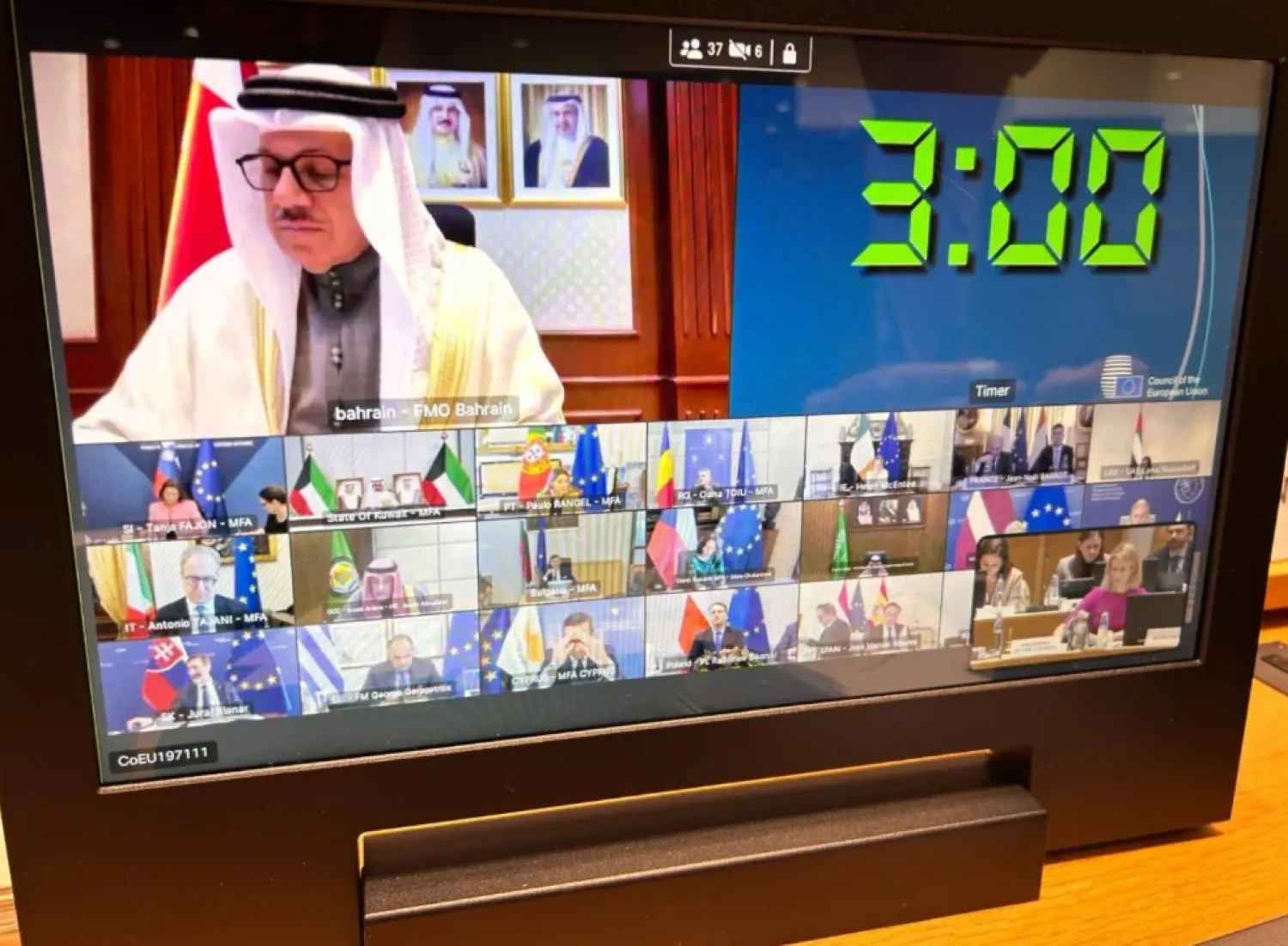
Leaders from the European Union and the Gulf Cooperation Council (GCC) have condemned the recent missile and drone strikes carried out by Iran in the region. The discussions occurred in Brussels, reflecting growing concerns regarding Iranian aggressions in light of escalating tensions related to U.S. and Israeli military actions against Iran. EU foreign policy chief Kaja Kallas, along with other European officials, emphasized the seriousness of the situation, referring to the attacks as “unjustifiable.”

Joint Statement on Regional Security

The joint statement released by the EU and GCC leaders strongly urged Iran to halt its military engagements, which they argue jeopardize both regional and global peace. It reaffirmed the right of Gulf nations to take all necessary measures to safeguard their security, stability, and the safety of their citizens and residents. The leaders expressed a clear stance on the need for de-escalation and asserted their commitment to support their Gulf allies amid the unfolding crisis.

Escalating Conflict and Wider Implications

These developments unfold against the backdrop of increased hostilities, particularly following U.S.-Israeli military operations that have reportedly resulted in over 1,230 casualties in Iran since the onset of the latest escalation. There are increasing fears concerning the ramifications for global energy markets as Iranian strikes extend to energy infrastructure in countries such as Qatar, Bahrain, and Kuwait. The recent aggressive military posture raises significant alarm among nations in the region and beyond.

Military Assistance and International Response

European nations have responded to the heightened tensions by enhancing their military readiness. Both France and the United Kingdom recently announced their intentions to deploy naval vessels and air defense systems to Cyprus, a strategic location that has seen increased military activity. This decision follows an incident where a British Royal Air Force base was targeted by an Iranian drone, escalating concerns among European leaders.

Additional Support from European Nations

Italy has also declared its commitment to send naval assets to Cyprus in the coming days alongside contributions from the Netherlands and Spain. Furthermore, the Italian government has pledged to provide air defense systems to enhance the security of its Gulf allies against the ongoing Iranian threats. This coordinated military buildup reflects a significant international effort to mitigate the risks associated with Iranian aggressions and protect the interests of Gulf countries.

Regional Alliances and Military Cooperation

In a related development, the United Kingdom, Greece, and Portugal have agreed to permit U.S. military operations from their bases under specific conditions, a move that adds another layer to the existing alliances. In contrast, Spain’s refusal to allow U.S. military operations has drawn criticism from American officials, demonstrating the complexities of international relations amid the ongoing crisis.

Long or Short, get news the way you like. No ads. No redirections. Download Newspin and Stay Alert, The CSR Journal Mobile app, for fast, crisp, clean updates!

App Store –  https://apps.apple.com/in/app/newspin/id6746449540 

Google Play Store – https://play.google.com/store/apps/details?id=com.inventifweb.newspin&pcampaignid=web_share

Latest News

Popular Videos
