


Dhaka University Initiates Investigation Into Jinnah Photograph Display Following Protests
The CSR Journal Magazine

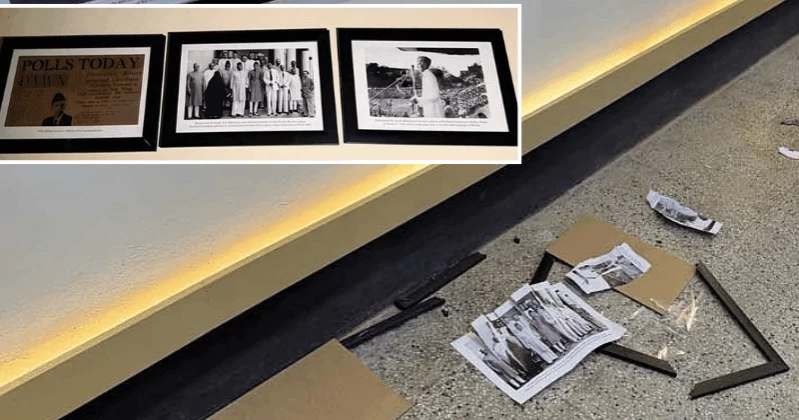
Dhaka University has commenced an inquiry into the controversial display of photographs featuring Muhammad Ali Jinnah, the founder of Pakistan, at its university museum. This investigation follows significant backlash on social media and organised protests by various student factions. The issue arose after the Dhaka University Central Students’ Union (DUCSU) unveiled its renovated museum on 10 September 2026, which included images and newspaper excerpts related to Jinnah, igniting a wave of discontent among some student groups.

Details of the Display and Reactions

The museum display included several photographs of Jinnah, notably one from his speech at Racecourse Maidan in Dhaka in 1948, during which he proclaimed Urdu as Pakistan’s sole state language. Following the formation of Pakistan, Jinnah visited East Bengal and reiterated this stance at Dhaka University just days later. Alongside this, the exhibition featured a photograph tied to the 1940 Lahore Resolution and a newspaper article from Pakistan’s Dawn regarding the 1970 general elections. Local media highlighted that earlier statements from the university deemed the display of figures whose actions contradicted the narratives of the 1952 Language Movement and the 1971 Liberation War as unacceptable.

In the wake of the display, students voiced their disapproval through protests. On 11 September 2026, Abu Tayeb Habildar, a student from the Urdu department, was reported to have removed Jinnah’s photographs, citing his opposition to the Bengali language as justification for this act of defiance. Additionally, Jatiyatabadi Chhatra Dal, affiliated with the ruling Bangladesh Nationalist Party led by Prime Minister Tarique Rahman, condemned the display, labelling it a “disgraceful act” that tarnished the university’s reputation.

In a notable response to the ongoing protests, members of the leftist-oriented Bangladesh Chhatra Federation installed a provocative photograph in the museum showing former Jamaat-e-Islami chief Ghulam Azam being insulted. Azam was a prominent figure during the 1971 Liberation War and was later convicted of crimes against humanity by Bangladesh’s International Crimes Tribunal. Jamaat-e-Islami opposed the independence of Bangladesh from Pakistan, further layering the context of this uproar.

University’s Response and Committee Formation

In light of the backlash, Dhaka University announced the formation of a five-member committee tasked with examining the circumstances surrounding the display. This committee, chaired by Pro-Vice Chancellor Professor Mohammed Almujaddade Alfasane, has been instructed to investigate how the photographs were displayed without proper approval and to identify those responsible for the decision. A university official noted that the actions taken regarding this controversial display were being taken seriously, indicating potential consequences for those involved.

Notably, the controversy has drawn attention to how the museum presents historical figures of Bangladesh, including its founder Sheikh Mujibur Rahman. Reports indicated that many prominent photographs of Rahman, which previously graced sections detailing the country’s political history, were notably absent in the museum’s recent arrangement. However, some imagery pertaining to his legacy remains integrated into the space.

Supporters of the decision to include Jinnah’s photographs asserted that these elements were essential for capturing historical narratives, while also recognising the complexities of Jinnah’s role in Bangladesh’s history. Fatima Tasnim Juma, DUCSU secretary for Liberation War and Movement Affairs, defended the decision, asserting the intent was to provide a “historical context” rather than to offer veneration to Jinnah.

Broader Context of Political Discourse

This situation has unfolded amid an ongoing national dialogue regarding the representation of historical political narratives in Bangladesh, particularly following the recent fall of Sheikh Hasina’s government in August 2024. Central to these discussions are the legacies of the 1971 Liberation War and the roles played by prominent figures such as Sheikh Mujibur Rahman and the Awami League. The divergence of opinions surrounding the display at Dhaka University thus reflects wider societal debates regarding the interpretation and commemoration of Bangladesh’s past.

Long or Short, get news the way you like. No ads. No redirections. Download Newspin and Stay Alert, The CSR Journal Mobile app, for fast, crisp, clean updates!

App Store –  https://apps.apple.com/in/app/newspin/id6746449540 

Google Play Store – https://play.google.com/store/apps/details?id=com.inventifweb.newspin&pcampaignid=web_share

Latest News

Popular Videos
