


Eta Aquarid Meteor Shower Expected to Peak Overnight on May 5–6
The CSR Journal Magazine

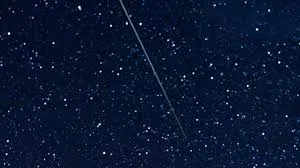
The Eta Aquarid meteor shower is forecasted to reach its peak during the night of May 5 to 6, 2026. This annual celestial event is renowned for producing bright meteors, known as shooting stars, which appear to radiate from the constellation Aquarius. Skywatchers are especially eager to observe this meteor display, given its reputation for producing fast, brilliant meteors, with some leaving persistent trails.

The peak of the shower is expected to occur shortly after midnight, with optimal visibility anticipated during the pre-dawn hours. Reports suggest that under clear skies, observers may witness between 20 to 30 meteors per hour. The visibility of these meteors can vary depending on local weather conditions and light pollution in the area.

Viewing Conditions and Tips for Observers

For those planning to view the Eta Aquarid meteor shower, it is advisable to find a location that is away from city lights and has an unobstructed view of the sky. Observers are recommended to lie down on a blanket or reclining chair to comfortably gaze at the night sky. It is also beneficial to allow approximately 20 minutes for the eyes to adjust to the darkness to enhance visibility.

The shower can be best observed without any special equipment, although binoculars or telescopes may limit the field of view. It is suggested to focus on the entire sky instead of concentrating on one specific area, as meteors can appear in various sections of the sky. Additionally, patience is key, as the meteors may not be continuous, and waiting quietly can yield sightings of some of the brightest celestial displays.

Weather conditions are crucial for good visibility. Clear skies are ideal for viewing, while overcast or rainy conditions may hinder the experience. It is advisable to check local weather forecasts prior to the event to select the best possible viewing times. Those unable to witness the meteor shower can likely find live streams available online, providing an alternative means to enjoy this astronomical phenomenon.

Scientific Background and Origin of the Meteors

The Eta Aquarid meteor shower originates from the debris left behind by Halley’s Comet, which orbits the sun approximately every 76 years. As Earth crosses the comet’s orbit, tiny particles enter the atmosphere at high speeds, disintegrating and creating the bright streaks observed as meteors. This meteor shower occurs annually in April and May, with the activity increasing as the shower peaks.

Historically, the Eta Aquarid meteor shower has been significant in the study of meteor activity and the behaviour of cosmic debris. It offers opportunities for astronomers to gather data on the composition and characteristics of meteoroids. The shower is particularly well known in the Southern Hemisphere, where visibility is often superior compared to Northern Hemisphere locations.

Long or Short, get news the way you like. No ads. No redirections. Download Newspin and Stay Alert, The CSR Journal Mobile app, for fast, crisp, clean updates!

App Store –  https://apps.apple.com/in/app/newspin/id6746449540 

Google Play Store – https://play.google.com/store/apps/details?id=com.inventifweb.newspin&pcampaignid=web_share

Latest News

Popular Videos
