


Donald Trump Plans to Oust Miguel Díaz-Canel by Year-End Amid Tensions
The CSR Journal Magazine

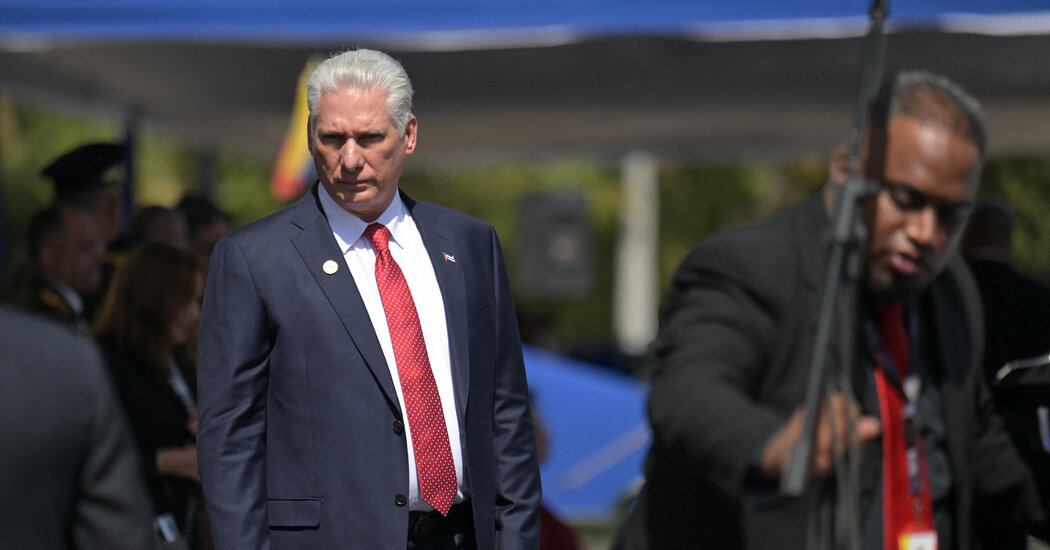
The Trump administration has announced its intent to remove Miguel Diaz-Canel from his position as the President of Cuba by the close of the year. This decision reflects ongoing tensions between the United States and Cuba, stemming from decades of political estrangement and differing ideologies.

Cuba’s Political Landscape and Historical Context

Miguel Diaz-Canel has been serving as the President of Cuba since April 2018, succeeding the long-term leader Raul Castro. Washington’s interest in changing Cuba’s leadership can be traced back over 65 years, with a history of attempts to alter the communist governance established after Fidel Castro’s revolution. The motivations behind these initiatives often stem from U.S. concerns about human rights, democracy, and regional stability.

Continued U.S. Influence in Latin America

Efforts to instigate leadership changes in Cuba are part of broader strategies employed by the U.S. throughout Latin America. The historical context includes numerous interventions and economic sanctions aimed at influencing political outcomes in countries viewed as adversaries. The United States has often justified its stance by emphasizing the promotion of democratic values and countering authoritarian regimes.

Reactions from the Cuban Government

The Cuban government has responded strongly to U.S. declarations regarding Diaz-Canel’s position. Officials in Havana argue that such rhetoric is a violation of national sovereignty and an interference in their internal affairs. The Cuban administration has sought to underscore its commitment to its political system and independence from foreign influence, viewing U.S. actions as part of a long-term strategy to destabilize the island’s governance.

The Global Perspective on U.S.-Cuba Relations

Internationally, the U.S. approach to Cuba has garnered mixed reactions. While some nations support U.S. efforts to promote democracy in Cuba, others criticize what they see as aggressive interventionism. The situation continues to evoke debate in various forums, particularly regarding the intersection of sovereignty and the pursuit of humanitarian and democratic ideals.

Future Implications for U.S.-Cuba Relations

As the Trump administration embarks on this initiative, the implications for U.S.-Cuba relations remain uncertain. Historical attempts to reshape leadership in Cuba have met with resistance, and the response from the Cuban populace could play a critical role in how this situation unfolds. The potential for increased tensions and retaliation by Cuba represents a significant factor in future diplomatic engagements.

Long or Short, get news the way you like. No ads. No redirections. Download Newspin and Stay Alert, The CSR Journal Mobile app, for fast, crisp, clean updates!

App Store –  https://apps.apple.com/in/app/newspin/id6746449540 

Google Play Store – https://play.google.com/store/apps/details?id=com.inventifweb.newspin&pcampaignid=web_share

Latest News

Popular Videos
