


Netanyahu Considers Coalition with Gadi Eisenkot Amid Political Deadlock Following Elections
The CSR Journal Magazine

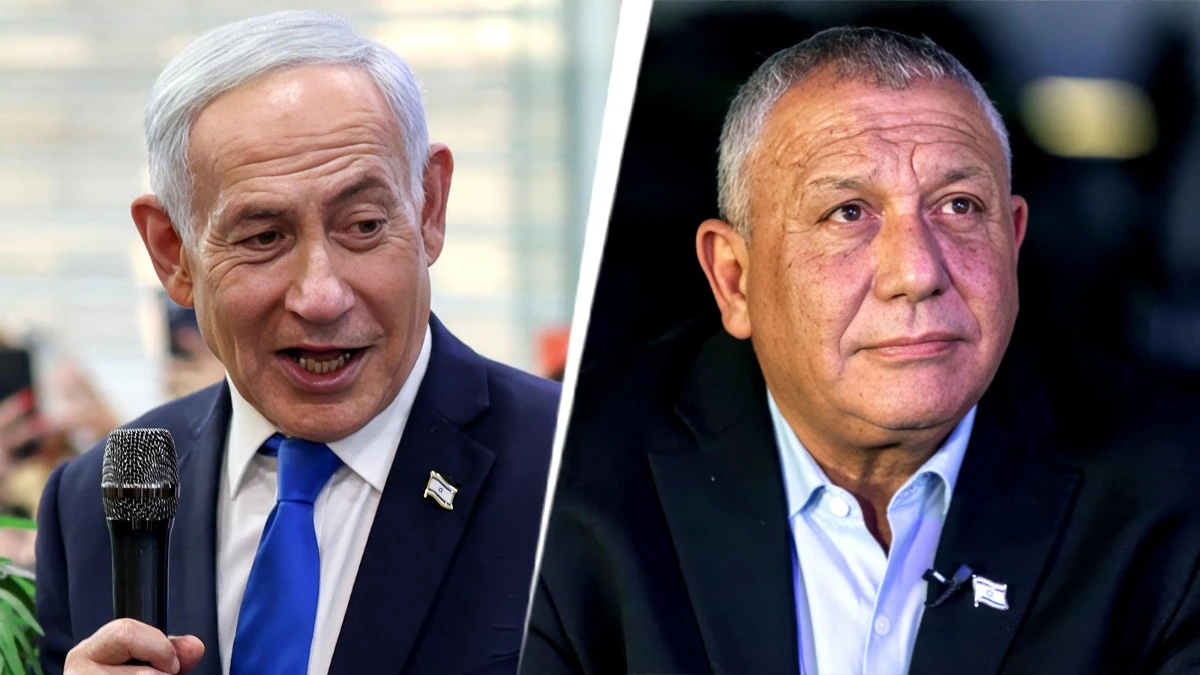
Israeli Prime Minister Benjamin Netanyahu is reportedly considering the formation of a coalition government with Gadi Eisenkot, the leader of the Yashar party. This development comes despite Netanyahu’s public denials regarding any intentions to establish a unity government. Israeli media sources indicated on Monday that Netanyahu is keeping his options open as he navigates the current political landscape.

Sources affiliated with Netanyahu’s Likud party have suggested that the Prime Minister is exploring all available options. The ongoing political deadlock following the parliamentary elections on October 27 has heightened the urgency for potential alliances. Netanyahu’s bloc lost its majority in the Knesset, which has left him in a precarious position.

Concerns have been raised within Netanyahu’s inner circle regarding the possibility of Eisenkot aligning with Arab-led parties and ultra-Orthodox factions. Such a coalition could pose a significant threat to Netanyahu’s leadership, potentially leading to his removal from power. The dynamics of the current political situation are complex, with various factions vying for influence.

Political Landscape Following Elections

The recent parliamentary elections in Israel have resulted in a fragmented political landscape, with no single party able to secure a clear majority in the 120-member Knesset. Netanyahu’s Likud party, once dominant, now faces challenges from multiple fronts. The election results have prompted discussions about potential alliances that could reshape the governing coalition.

Political analysts have noted that the outcome of the elections reflects a shift in public sentiment, with voters increasingly seeking alternatives to traditional party lines. This shift has opened the door for new coalitions that could include a diverse array of political factions. The potential for Eisenkot to join forces with other parties is indicative of this evolving political environment.

As the situation develops, Netanyahu’s strategy will be crucial in determining the future of his government. The Prime Minister’s ability to navigate these challenges and secure alliances could dictate his political survival in the coming months. The stakes are high, and the political manoeuvring is likely to intensify as parties assess their options.

Implications for Future Governance

The potential alliance between Netanyahu and Eisenkot raises important questions about the future governance of Israel. If an agreement is reached, it could lead to a more stable coalition, albeit one that may require significant compromises from both parties. The implications of such a coalition would extend beyond immediate political considerations, potentially influencing policy directions and legislative priorities.

Furthermore, the involvement of Arab-led parties and ultra-Orthodox factions in any coalition could signal a shift in the political landscape, necessitating a broader dialogue among diverse groups. This could lead to more inclusive governance, addressing the concerns of various segments of Israeli society. However, it also poses risks of backlash from constituents who may oppose such alliances.

As Netanyahu weighs his options, the response from the public and other political entities will be closely monitored. The evolving situation underscores the complexities of coalition politics in Israel, where alliances can be both a source of strength and a potential vulnerability. The coming weeks will be critical as negotiations unfold and the political future of Israel remains uncertain.

Long or Short, get news the way you like. No ads. No redirections. Download Newspin and Stay Alert, The CSR Journal Mobile app, for fast, crisp, clean updates!

App Store – https://apps.apple.com/in/app/newspin/id6746449540

Google Play Store – https://play.google.com/store/apps/details?id=com.inventifweb.newspin&pcampaignid=web_share

Latest News

Popular Videos
