


Delhi’s Winter Air Quality Remains Poor Despite GRAP Measures
The CSR Journal Magazine

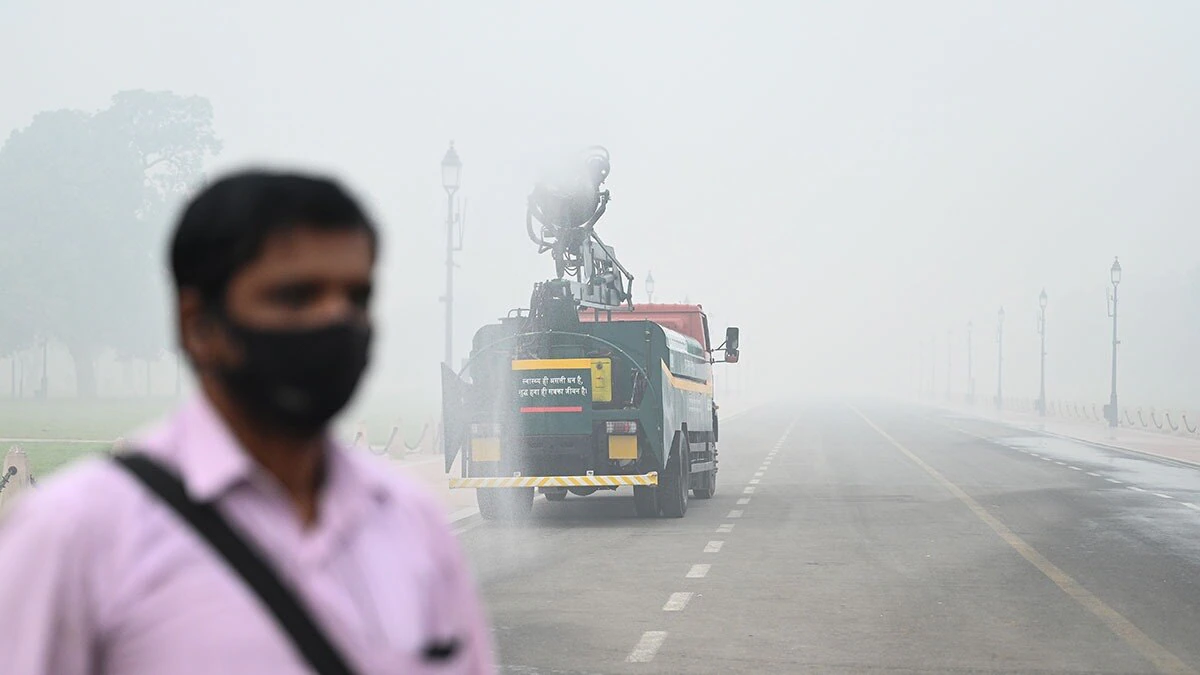
Delhi continues to grapple with hazardous winter air quality, as a recent analysis by the Centre for Research on Energy and Clean Air (CREA) indicates no significant improvement over the past four years. The average Air Quality Index (AQI) rose from 280 during the winter of 2022-23 to 295 in 2025-26, prompting questions about the effectiveness of the Graded Response Action Plan (GRAP), which has been in operation since 2016.

According to the findings, nearly 80 per cent of winter days experienced restrictions under Stage II of GRAP or higher, underscoring the city’s ongoing reliance on emergency measures to address its persistent air pollution crisis. The analysis highlights the need for a reassessment of the emergency pollution-control framework, as the absence of sustained improvement raises concerns about its efficacy.

CREA’s examination of twelve episodes across four winters revealed that pollution levels often worsened in the week following ten of these episodes, with the most significant spike occurring after November 2, 2023. On that date, the AQI increased by 114 points, from 317 to 431. Other notable increases were recorded on October 29, 2022, January 3, 2025, and January 28, 2025, with rises of 100, 94, and 92 points, respectively.

Potential Benefits of GRAP Restrictions

A separate study conducted by scientists from the Indian Institute of Tropical Meteorology (IITM), Pune, and the Commission for Air Quality Management (CAQM) suggests that GRAP may have mitigated pollution levels. Without its restrictions, Delhi could have faced an estimated 60 per cent more hours of severe air quality. The study posits that instances of AQI exceeding 300 could have been significantly higher without these measures.

This distinction is vital, as GRAP is primarily intended as an emergency response mechanism to prevent pollution from escalating during adverse weather conditions, rather than a comprehensive solution to eliminate emission sources. The winter months exacerbate the situation by trapping pollutants closer to the ground, worsening air quality.

Shambhavi Shukla, programme manager for Clean Air and Sustainable Mobility at the Centre for Science and Environment (CSE), emphasised that GRAP plays a crucial role in managing pollution peaks. As the AQI surpasses thresholds of 300, 400, and 450, increasingly stringent measures are implemented to curb emissions and prevent further deterioration.

Need for Year-Round Action Against Pollution

Shukla highlighted that the core issue lies in the persistent sources of pollution throughout the year, including transport, industrial emissions, and urban activities. The winter weather conditions exacerbate the problem, while episodic contributors like stubble burning further complicate the situation.

She noted that there is a significant gap between existing policies and their enforcement, suggesting that stronger implementation is essential for effective air quality management. Shukla also pointed out that improved monitoring systems could enable authorities to identify pollution sources and respond more swiftly to emerging threats.

CREA echoed the call for prioritising emission reductions at the source as the primary goal of clean-air policy, positioning GRAP as a last resort during severe pollution events. The findings indicate that Delhi must move beyond its reliance on winter emergency measures, as lasting improvements in air quality will necessitate continuous enforcement and significant reductions in emissions throughout the year.

Long or Short, get news the way you like. No ads. No redirections. Download Newspin and Stay Alert, The CSR Journal Mobile app, for fast, crisp, clean updates!

App Store – https://apps.apple.com/in/app/newspin/id6746449540

Google Play Store – https://play.google.com/store/apps/details?id=com.inventifweb.newspin&pcampaignid=web_share

Latest News

Popular Videos
