


Delhi HC Upholds 67 Per Cent Passport Fee Hike For Indians Abroad
The CSR Journal Magazine

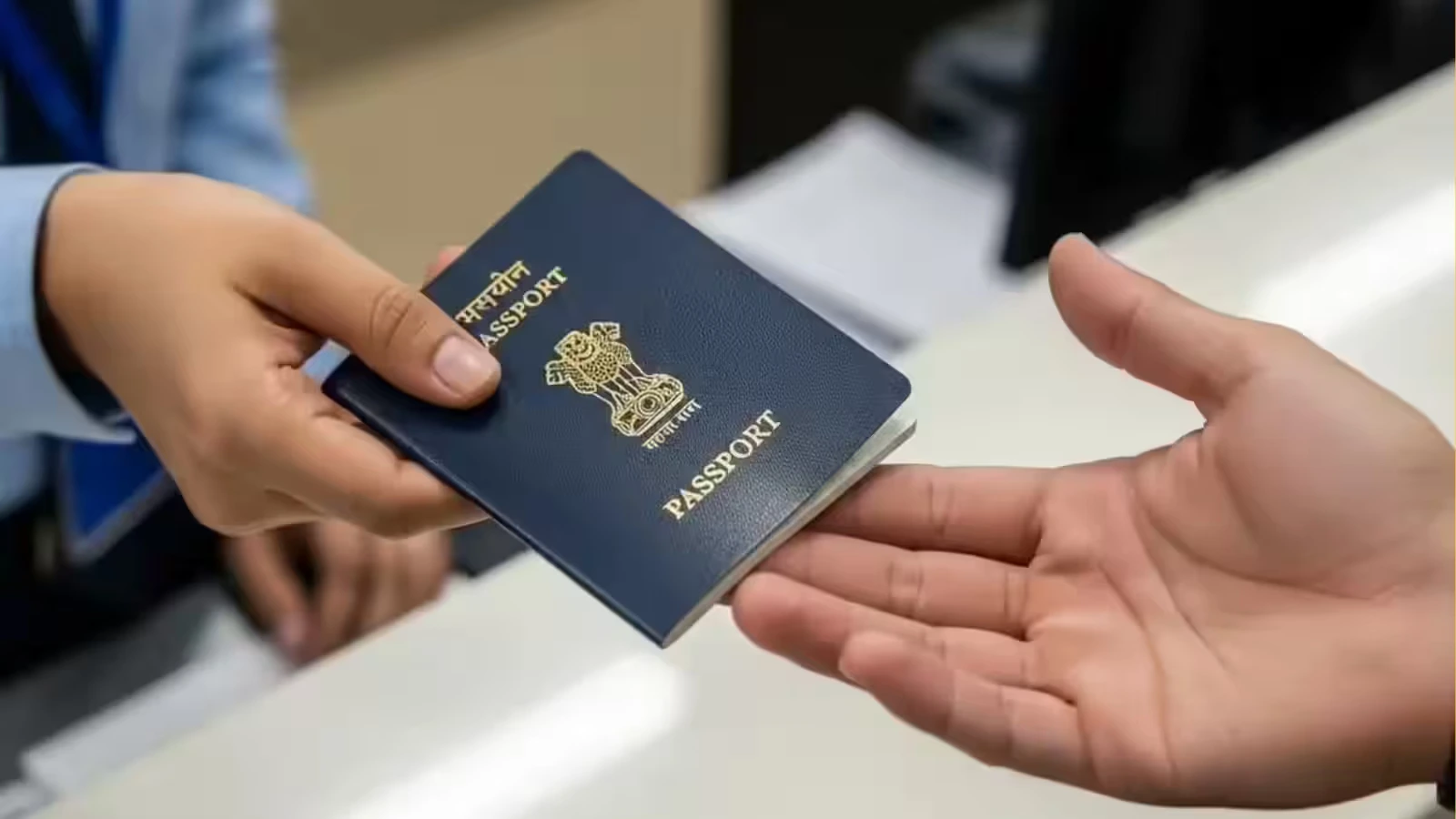
The Delhi High Court has dismissed a petition that challenged the Indian government’s decision to increase passport fees for citizens living overseas. This ruling was made on Wednesday, as reported by the Press Trust of India. The court upheld the 67 per cent hike in fees, stating that the increase after a span of 14 years was neither unreasonable nor excessive.

A bench comprising Acting Chief Justice Nitin Wasudeo Sambre and Justice Sanjay Sharma noted that the last fee adjustment had occurred in 2012. The judges remarked that the determination of passport processing and renewal fees is fundamentally a policy matter for the government, which does not require judicial intervention.

They emphasised that as long as the fees are not deemed unreasonably high, the court would not interfere with such governmental policies. The court stated, “After 14 years, it is a reasonable increase… we are not inclined to show any indulgence.” This statement reflects the court’s position on the matter, reinforcing its belief in the government’s authority to set such fees.

Details of the Fee Structure

The public interest litigation was filed by the Pravasi Legal Cell, which argued that there is a significant disparity in passport fees between Indian residents and non-resident Indians. According to the petition, non-resident Indians are required to pay fees starting from Rs 5,000, while those residing in India pay approximately Rs 2,500.

The petitioner’s counsel highlighted that Indians living abroad now face a fee of about Rs 11,900 for passport services, which marks a substantial increase from nearly Rs 7,000. This revised fee represents a hike of around 67 per cent. The lawyer expressed concerns that this increase imposes a considerable financial burden on low-income workers, such as mechanics, plumbers, and construction workers.

Moreover, the counsel pointed out that Indian workers in Gulf countries, particularly those from economically disadvantaged backgrounds, are subjected to significantly higher fees compared to their counterparts in India. The lawyer argued that this fee increase would create an unbearable financial strain on migrants in the Gulf region, many of whom earn limited incomes.

Court’s Response to Economic Concerns

In response to the arguments presented, the court questioned how the economic status of these workers could be verified and whether certification by another country could obligate the Indian government. The bench maintained that courts should exercise restraint regarding the financial decisions made by the government.

Furthermore, the judges indicated that any mechanism to evaluate the financial conditions of Indians working abroad falls within the government’s policy domain. Consequently, the court declined to intervene in the passport fee increase and dismissed the petition, reinforcing the government’s prerogative in determining such fees.

This ruling highlights the complexities surrounding the financial implications of government policies on Indian citizens living abroad and the judicial system’s reluctance to interfere in matters deemed to be within the government’s jurisdiction. The decision is expected to have significant implications for the Indian diaspora, particularly those in economically challenging situations.

Long or Short, get news the way you like. No ads. No redirections. Download Newspin and Stay Alert, The CSR Journal Mobile app, for fast, crisp, clean updates!

App Store – https://apps.apple.com/in/app/newspin/id6746449540

Google Play Store – https://play.google.com/store/apps/details?id=com.inventifweb.newspin&pcampaignid=web_share

Latest News

Popular Videos
