


Delhi’s Air Quality Index Sees Sharp Rise to 169
The CSR Journal Magazine

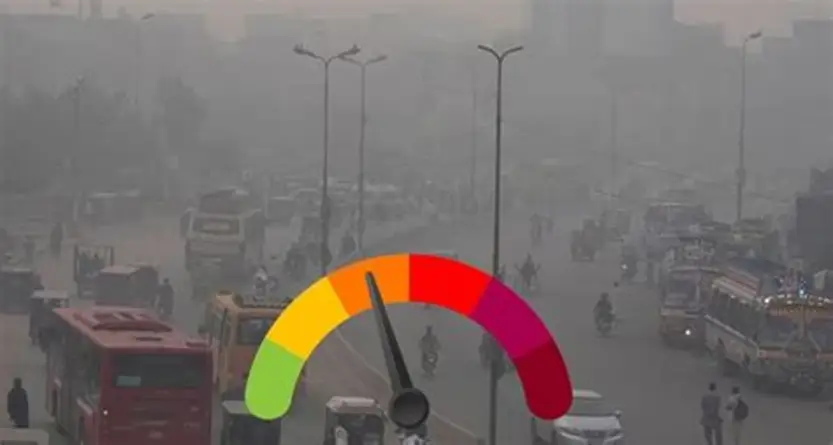
Delhi’s air quality has worsened significantly as the city transitions away from the monsoon, with the Air Quality Index (AQI) soaring to 169. This reading, falling at the upper end of the Central Pollution Control Board’s (CPCB) ‘moderate’ category, reflects a concerning trend exacerbated by dry conditions, weak winds, and local emissions. From a reading of 88 on Friday, the AQI increased to 169 on Monday, highlighting the swift nature of this change.

The India Meteorological Department (IMD) has indicated that conditions are favourable for the further retreat of the southwest monsoon, which is expected to fully withdraw from Delhi within the next two to three days. Notably, no rain is forecasted for the remaining week, which could contribute to ongoing air quality concerns.

Particularly troubling is the predominance of PM2.5 and ozone, which have been identified as leading pollutants during this recent spike in air pollution. The lack of rainfall, combined with heightened vehicular emissions and construction dust, is likely contributing to the accrued pollutant levels across the capital.

Contributing Factors to Pollution Increase

The cessation of monsoon rains has heightened air quality issues in Delhi, as these showers had previously aided in cleansing the atmosphere of pollutants. With virtually no precipitation anticipated, airborne dust and exhaust fumes can linger longer, leading to a greater accumulation of harmful particles. Additionally, weak wind patterns are inhibiting the dispersion of these pollutants, resulting in a noticeable increase in air toxicity.

Traffic congestion, road dust, and urban construction activities continue to add to Delhi’s pollution load. The likely withdrawal of the monsoon is expected to lead to drier conditions that could further worsen the current levels of pollution.

Historically, the city has benefited from clean air during the monsoon months due to rain and substantial wind, with significant numbers of satisfactory and moderate air quality days recorded in September. As the atmospheric conditions change, concerns are mounting regarding the return of harmful pollutants.

Future Outlook for Air Quality

Despite the current rise in pollution levels, the situation has not yet reached the peak typically associated with the winter months. The most severe air quality phase generally commences later in the year when cooler night-time temperatures lead to a shallower atmospheric mixing layer, trapping more pollutants near the surface.

Additionally, the burning of crop residues in neighbouring Punjab and Haryana represents a crucial seasonal factor, typically intensifying from mid-October to November. This period often sees significant increases in pollution in Delhi, which can linger until February, suggesting that the current situation may serve as a precursory indicator of upcoming air quality challenges.

A total of eight of Delhi’s 42 monitoring stations are reporting ‘poor’ air quality levels. Notably, areas such as Siri Fort and Chandni Chowk recorded AQI levels of 221, indicating serious health concerns for vulnerable populations. Under CPCB standards, an AQI of 169 is placed in the ‘moderate’ category, yet it is dangerously close to the ‘poor’ threshold, suggesting a need for caution among sensitive groups.

Long or Short, get news the way you like. No ads. No redirections. Download Newspin and Stay Alert, The CSR Journal Mobile app, for fast, crisp, clean updates!

App Store –  https://apps.apple.com/in/app/newspin/id6746449540 

Google Play Store – https://play.google.com/store/apps/details?id=com.inventifweb.newspin&pcampaignid=web_share

Latest News

Popular Videos
