


Deaths of Four Family Members Linked to Zinc Phosphide and Not Watermelon in Mumbai
The CSR Journal Magazine

A family of four in Mumbai’s Pydhonie area died in the early hours of April 26, 2026. Initial investigations pointed to watermelon as the potential source of the poison, but further details revealed a more complex situation. The family had consumed biryani with relatives around 10:30 pm on April 25, and none of those relatives reported any illness. Ultimately, the four individuals who consumed watermelon at approximately 1 am were the only ones affected.

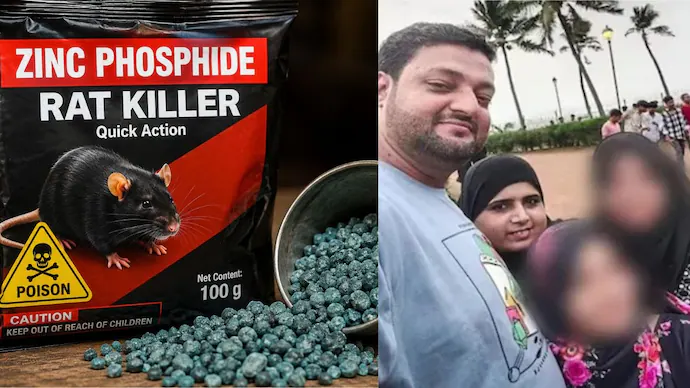
On May 7, forensic experts confirmed that traces of zinc phosphide, a potent rat poison, were detected in the watermelon eaten by the victims as well as in their internal organs. This finding significantly shifted the investigation’s focus, leading authorities to suspect deliberate, accidental, or contaminated introduction of the poison.

The deceased have been identified as Abdullah Dokadia, his wife Nasreen, and their daughters Ayesha and Zaineb. As the investigation continues, police clarified that there is no evidence implicating the watermelon itself as the direct cause of their deaths.

Understanding Zinc Phosphide and Its Effects

Zinc phosphide (ZnP) is a chemical compound commonly employed in rodent control across India. Although stable in powdered form, its danger escalates upon entering the human stomach, where it reacts with hydrochloric acid. This chemical reaction produces phosphine gas, which is highly toxic even in minute quantities.

Consumption of food, such as watermelon, can exacerbate the situation. The presence of food in the stomach promotes the secretion of more acid, thereby intensifying the release of phosphine gas. Symptoms of poisoning can manifest within minutes after a meal, unlike the longer delay seen in cases of an empty stomach.

Phosphine gas causes cellular dysfunction by interfering with the body’s mitochondria, which are critical for energy production. Once the gas blocks the enzyme Cytochrome C Oxidase inside the mitochondria, cells are unable to utilise oxygen, leading to cellular death, a condition referred to as cellular anoxia. This contributes to the high mortality rate associated with zinc phosphide poisoning, which ranges from 37 to 100 per cent.

The Absence of an Antidote

In cases of zinc phosphide poisoning, there is currently no antidote available. Medical professionals cannot administer a drug to reverse its effects but can attempt to slow the release of phosphine gas and manage organ failure. One of the key treatments involves performing a stomach wash using coconut oil, which creates a barrier between the poison and the stomach acid, thereby slowing down the reaction.

Furthermore, sodium bicarbonate is used to reduce the acidity in the stomach, aiming to decrease gas production. Due to the complications associated with poisoning, magnesium sulphate is administered to protect the heart as cardiac failure is often a primary cause of death within the first 24 hours. Notably, using water for a stomach wash can accelerate the release of phosphine gas, posing a significant risk to victims.

Unlike other rat poisons commonly found in the market, which mostly contain anticoagulants with reversible antidotes such as Vitamin K1, zinc phosphide offers no such option for reversal. Its ability to cause rapid fatalities presents unique challenges for medical professionals and toxicologists.

Long or Short, get news the way you like. No ads. No redirections. Download Newspin and Stay Alert, The CSR Journal Mobile app, for fast, crisp, clean updates!

App Store –  https://apps.apple.com/in/app/newspin/id6746449540 

Google Play Store – https://play.google.com/store/apps/details?id=com.inventifweb.newspin&pcampaignid=web_share

Latest News

Popular Videos
