


Clearing 37 Lakh Bengal SIR Appeals Could Take Nearly 12 Years: ECI
The CSR Journal Magazine

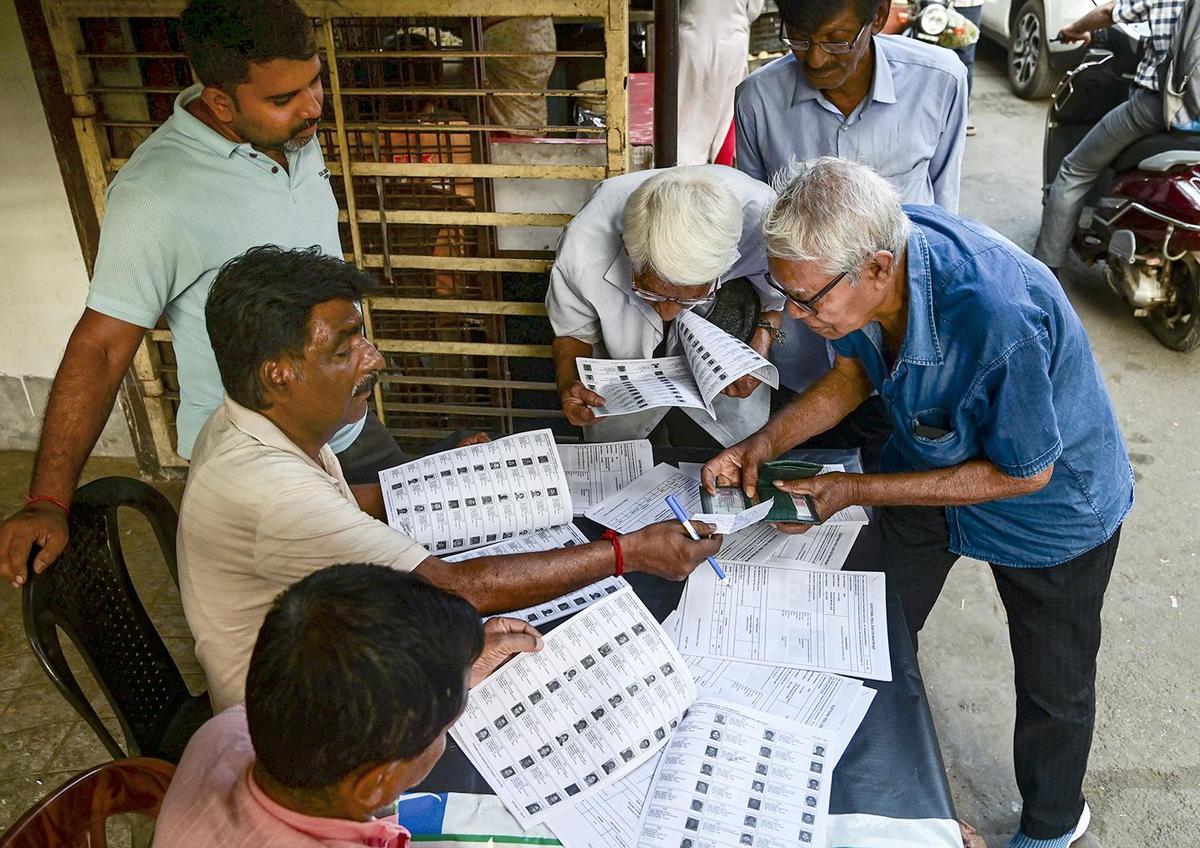
Clearing over 37 lakh appeals stemming from West Bengal’s Special Intensive Revision (SIR) of electoral rolls may take an estimated 12 years at the current clearance rate. This situation has led the Election Commission to petition the Supreme Court for the establishment of additional tribunals to handle these cases more efficiently. An affidavit submitted by the Commission indicates that since the tribunals began operations in mid-April, approximately 1,26,194 appeals have been resolved.

The current pace of adjudication averages about 25,238 appeals per month, with the calculation considering all seven days as working days. As per data filed on September 16, a total of 37,05,235 appeals remain unresolved, and should the tribunals continue this rate of disposal, it would require 146 months to manage the existing backlog. The Election Commission has suggested setting up one tribunal for each of West Bengal’s 42 parliamentary constituencies to enhance efficiency.

Details of the Pending Appeals

According to the Election Commission, a total of 38.31 lakh appeals have been lodged against the decisions made concerning the SIR of electoral rolls. Out of these, 22.21 lakh appeals have been filed by individuals whose names were removed from the rolls and are now seeking reinstatement, while 16.10 lakh appeals contest the inclusion of certain names on the rolls. The significant volume of appeals highlights a critical challenge for the administrative process managing electoral inclusions and exclusions.

Furthermore, among the appeals that have been resolved, 1,13,943 have resulted in those applicants being added back to the electoral rolls. This statistic suggests that approximately 90 per cent of the adjudicated cases have led to the restoration of names, pointing towards the effectiveness of the tribunals in rectifying grievances related to electoral roll discrepancies.

Disputes Regarding Election Results

The Election Commission’s affidavit also addresses claims that the deletions associated with the SIR adversely influenced the outcomes of the West Bengal Assembly elections. It refutes assertions that the number of deletions surpassed victory margins in several constituencies, stressing that the figures used in these claims overlook categories of entries defined as “absent, shifted, dead, and duplicate.” This clarification aims to provide a more nuanced perspective on the impact of deletions regarding election outcomes.

The Commission labels the method of comparing deletion figures to electoral victory margins as an unreliable measure, calling it a “flawed, speculative yardstick.” The affidavit provides examples from constituencies where candidates from the Trinamool Congress (TMC) won, despite high deletion numbers, thereby challenging the narrative that deletions could be directly linked to electoral results.

In response to the Supreme Court’s previous directives, the Election Commission has shared detailed information on the status of appeals and the measures being taken for their timely resolution. The Supreme Court had mandated the need for a structured approach to the adjudication of appeals, leading to the establishment of 19 tribunals comprising former chief justices and judges to specifically address these cases. Additionally, approximately 700 judicial officers from West Bengal, Odisha, and Jharkhand have been appointed to manage claims and objections stemming from the SIR process.

Long or Short, get news the way you like. No ads. No redirections. Download Newspin and Stay Alert, The CSR Journal Mobile app, for fast, crisp, clean updates!

App Store –  https://apps.apple.com/in/app/newspin/id6746449540 

Google Play Store – https://play.google.com/store/apps/details?id=com.inventifweb.newspin&pcampaignid=web_share

Latest News

Popular Videos
