


Case Registered Against Mumbai CJP Protest Organisers for Lack of Police Approval
The CSR Journal Magazine

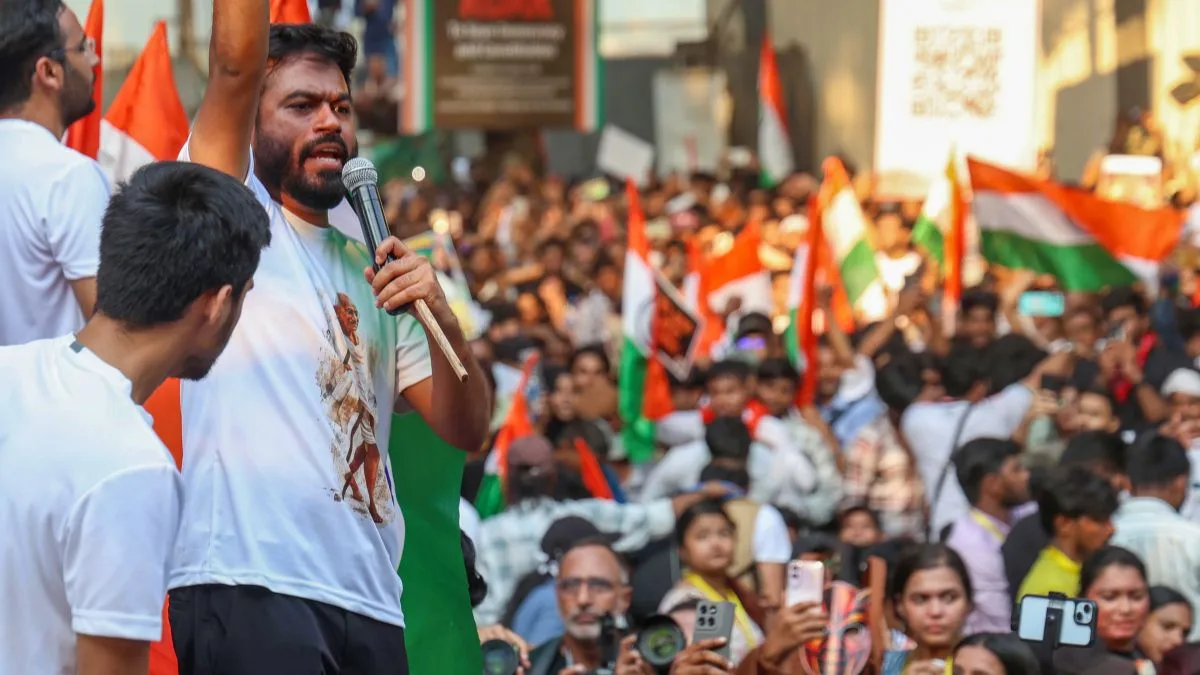
A case has been filed against the organisers of the Cockroach Janta Party (CJP) for holding a protest at Shivaji Park without the requisite police permission. The incident occurred on October 2, when the CJP’s demonstration took place, with the police subsequently registering the case at the Shivaji Park police station. The FIR names the organisers of the event and alleges the involvement of approximately 400-500 unidentified participants.

The police invoked multiple sections of the law in their charges against the protest organisers. This includes sections 189 and 223 of the Bharatiya Nyaya Sanhita (BNS), which pertain to “unlawful assembly” and “disobeying the order of a public servant.” Additionally, sections 37(1)(3) and 135 of the Maharashtra Police Act were included in the FIR. The authorities had previously denied permission for the gathering, citing legal and logistical concerns.

According to the police, the assembly at Shivaji Park was not sanctioned due to restrictions in place governing public gatherings in the area. Factors such as traffic management, public inconvenience, and noise were cited as reasons for the refusal of permission. Despite these concerns, the CJP, led by activist Abhijeet Dipke, chose to proceed with the demonstration in pursuit of their demands.

The situation highlights tensions between the volunteer-led CJP and local law enforcement, particularly regarding the organisation’s persistence in holding the protest despite the official prohibition. The police action emphasises their commitment to enforcing regulations and maintaining public order in the face of unauthorised gatherings.

Protest Objectives and Public Response

The demonstration aimed primarily at calling for the resignation of Chief Election Commissioner Gyanesh Kumar. The CJP has articulated its concerns regarding the electoral process and governance, spurring the activists to rally for accountability from election officials. This protest, marked by its active participation and organisation, aligns with broader civic movements aiming for transparency and reform.

The CJP’s decision to hold the protest without police approval prompted a mixed response from the public and other political entities. While supporters viewed the protest as a necessary action in a democratic society, critics raised concerns about the implications of disregarding police orders, especially in light of existing public safety regulations. The incident has ignited discussions regarding the limits of civil liberties in relation to lawful assembly and police authority.

In addition to the main protest, the CJP announced plans for a ‘Jail Bharo Andolan’ on Gandhi Jayanti, encouraging their supporters to participate actively in their ongoing campaigns. This decision reflects the organisation’s strategy to sustain momentum in advocating for their cause, even in the face of legal challenges. The future actions of the CJP will likely continue to attract attention, as they navigate the complexities of civic activism within the framework of Indian law.

Long or Short, get news the way you like. No ads. No redirections. Download Newspin and Stay Alert, The CSR Journal Mobile app, for fast, crisp, clean updates!

App Store –  https://apps.apple.com/in/app/newspin/id6746449540 

Google Play Store – https://play.google.com/store/apps/details?id=com.inventifweb.newspin&pcampaignid=web_share

Latest News

Popular Videos
