


BJP’s Rahul Sinha Accuses TMC’s Harmad Bahini of Post-Poll Violence in Bengal
The CSR Journal Magazine

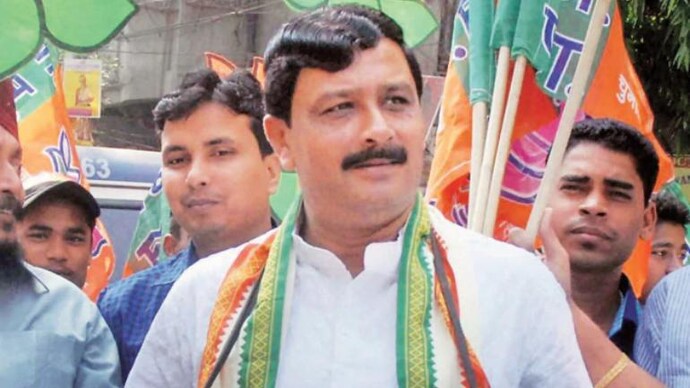
On May 6, BJP Member of Parliament Rahul Sinha alleged that the Trinamool Congress (TMC) is responsible for the post-poll violence in West Bengal, attributing the unrest to a group within TMC known as the Harmad Bahini. Sinha emphasised that BJP workers have been instructed to abstain from any form of violence while urging law enforcement to address disturbances among TMC members.

Speaking to ANI, Sinha stated, “All violence is being perpetrated by TMC’s ‘Harmad Bahini’. We have directed our party workers not to be a part of any violence. But TMC workers are attacking each other due to the factionalism within. That is why this situation has occurred. People think this is being done by BJP, but it is one faction of TMC attacking another faction of TMC.” He stressed the necessity for police intervention in these matters.

Sinha’s comments come amid reports suggesting that political rivalries within TMC are escalating into violence, raising concerns about safety in the region. The assertion has sparked discussions about the internal dynamics of the TMC, particularly how factional disputes may be manifesting externally.

Political Responses and Police Actions

BJP MP Saumitra Khan also weighed in on the situation, stating that both the police and the party are taking necessary actions regarding instances of violence. Khan remarked, “Now, anyone who does something will be arrested, whether they belong to the party or not,” thereby clarifying the stance that accountability will extend irrespective of party affiliation.

Khan further remarked on the political tenure of TMC leader Mamata Banerjee, indicating that her long-standing political career has seen setbacks, implying a shift in the current political landscape. His comments reflect a sense of urgency and a demand for accountability amidst allegations of violence linked to TMC supporters.

In conjunction with these statements from BJP leaders, the Election Commission of India (ECI) has intervened by issuing a directive to relevant state officials to maintain ‘zero tolerance’ for any post-poll violence. This mandate appears to be a proactive measure to quell unrest following reported violent acts.

Reported Incidents of Vandalism and Political Tension

The ECI’s directive follows allegations of vandalism at TMC offices, including an incident reported in Asansol’s Godhuli area where the office was allegedly damaged after BJP’s success in the assembly elections. The destruction reportedly left significant damage, with furniture and campaign materials being removed or destroyed.

This occurrence marks the second incident of vandalism involving TMC offices, as another was reportedly vandalised in Dumurjala, Howrah. The scene depicted broken windows, defaced posters, and a notable absence of the TMC flag, which had been discarded on the roadway. Such acts of vandalism are raising concerns about the growing political hostility between BJP and TMC supporters in the region.

These incidents come in the wake of heightened tensions following the assembly elections, with individuals on both sides expressing frustration at the prevailing political climate. The unrest highlights a broader narrative of rivalry that has historically plagued West Bengal’s political landscape, especially during election cycles.

Long or Short, get news the way you like. No ads. No redirections. Download Newspin and Stay Alert, The CSR Journal Mobile app, for fast, crisp, clean updates!

App Store –  https://apps.apple.com/in/app/newspin/id6746449540 

Google Play Store – https://play.google.com/store/apps/details?id=com.inventifweb.newspin&pcampaignid=web_share

Latest News

Popular Videos
