


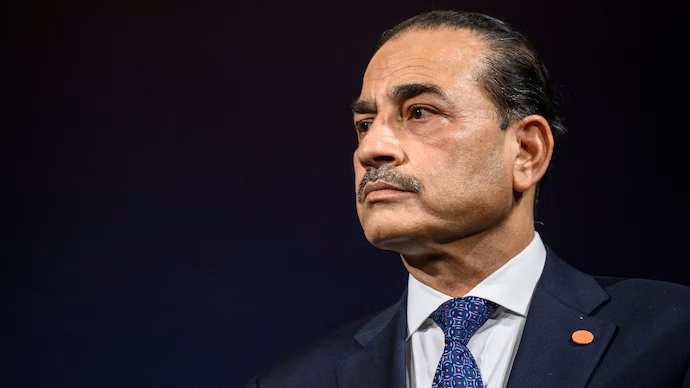
Asim Munir Proposes Division of Pakistan’s Provinces into Smaller States
The CSR Journal Magazine

The proposal to divide Pakistan’s four provinces into smaller regions is reportedly under consideration, marking a significant potential shift in the country’s political structure. Presently, Pakistan consists of Punjab, Sindh, Khyber Pakhtunkhwa, and Balochistan, but new plans suggested by army chief Field Marshal Asim Munir could lead to the creation of 12 to 15 provinces or even as many as 160 smaller territories. This initiative, if realised, would redefine power distribution across Pakistan.

According to reports, this restructuring aims not only to alter the administrative map but also to address governance challenges posed by the existing large provinces. With disparities in population and size, the current provincial framework often results in governance issues, particularly in Punjab, where the population exceeds 128 million. In contrast, Balochistan, while the largest province by area, has only approximately 15 million residents, complicating effective administration.

The challenges accompanying governance in Punjab include residents commuting long distances to access essential government services. Reports indicate that fewer than one in four households in Punjab have reliable access to clean drinking water. Munir has voiced concerns that the vastness of these provinces is detrimental to effective governance and contributes to Pakistan’s ongoing socio-economic problems.

The Military’s Role and Political Implications

The military has historically exercised significant influence in Pakistan, having directly ruled for over two-fifths of the nation’s history. This longstanding dominance has led to a complex relationship between military power and governance, often overshadowing elected officials. Observers note that the military’s own role in exacerbating existing issues complicates Munir’s assertions regarding the benefits of smaller provinces.

As the military controls extensive land and resources, the suggested restructuring could paradoxically both enhance local governance and tighten the military’s grip. The proposal may present an opportunity to decentralise power, allowing provincial governments to better serve their citizens. However, if newly created regions remain heavily reliant on central authority, the military’s influence could potentially increase.

The political landscape in provinces like Punjab and Sindh has been influenced by major parties, such as the Pakistan Muslim League-Nawaz and the Pakistan Peoples Party. These parties have historically served as counterweights to federal authority, and dividing these provinces could dilute their political power, further affecting the balance of governance in Pakistan.

Challenges of Restructuring and National Tensions

The idea of reorganising Pakistan’s administrative structure is not novel. Planning Minister Ahsan Iqbal had previously indicated the need for additional provinces and smaller administrative units. This discourse aligns with Munir’s strategic position in Pakistan’s political sphere, where he appears to have considerable influence over governance despite the presence of an elected government. His ongoing collaboration with key political parties while sidelining opposition figures like Imran Khan illustrates the complex dynamics at play.

Current political unrest in Khyber Pakhtunkhwa further complicates the discussion surrounding provincial restructuring. Tensions have escalated as supporters of the jailed former Prime Minister Imran Khan initiated protests targeting Islamabad. This tension is exacerbated by ongoing challenges relating to governance and security in the province, placing additional strain on the relationship between provincial and federal authorities.

The situation is further complicated by unrest in Balochistan and Pakistan-occupied Kashmir, both of which bring their own sets of political challenges. The potential restructuring would require navigating sensitive issues surrounding regional autonomy, resource allocation, and local governance. As Pakistan contemplates its administrative future, these pressures highlight the intricacy of redrawing its internal structure and its implications for the overall balance of power.

Long or Short, get news the way you like. No ads. No redirections. Download Newspin and Stay Alert, The CSR Journal Mobile app, for fast, crisp, clean updates!

App Store –  https://apps.apple.com/in/app/newspin/id6746449540 

Google Play Store – https://play.google.com/store/apps/details?id=com.inventifweb.newspin&pcampaignid=web_share

Latest News

Popular Videos
