


Ali Larijani Killing Sparks Fears Over Iran Stability, Leadership Shift
The CSR Journal Magazine

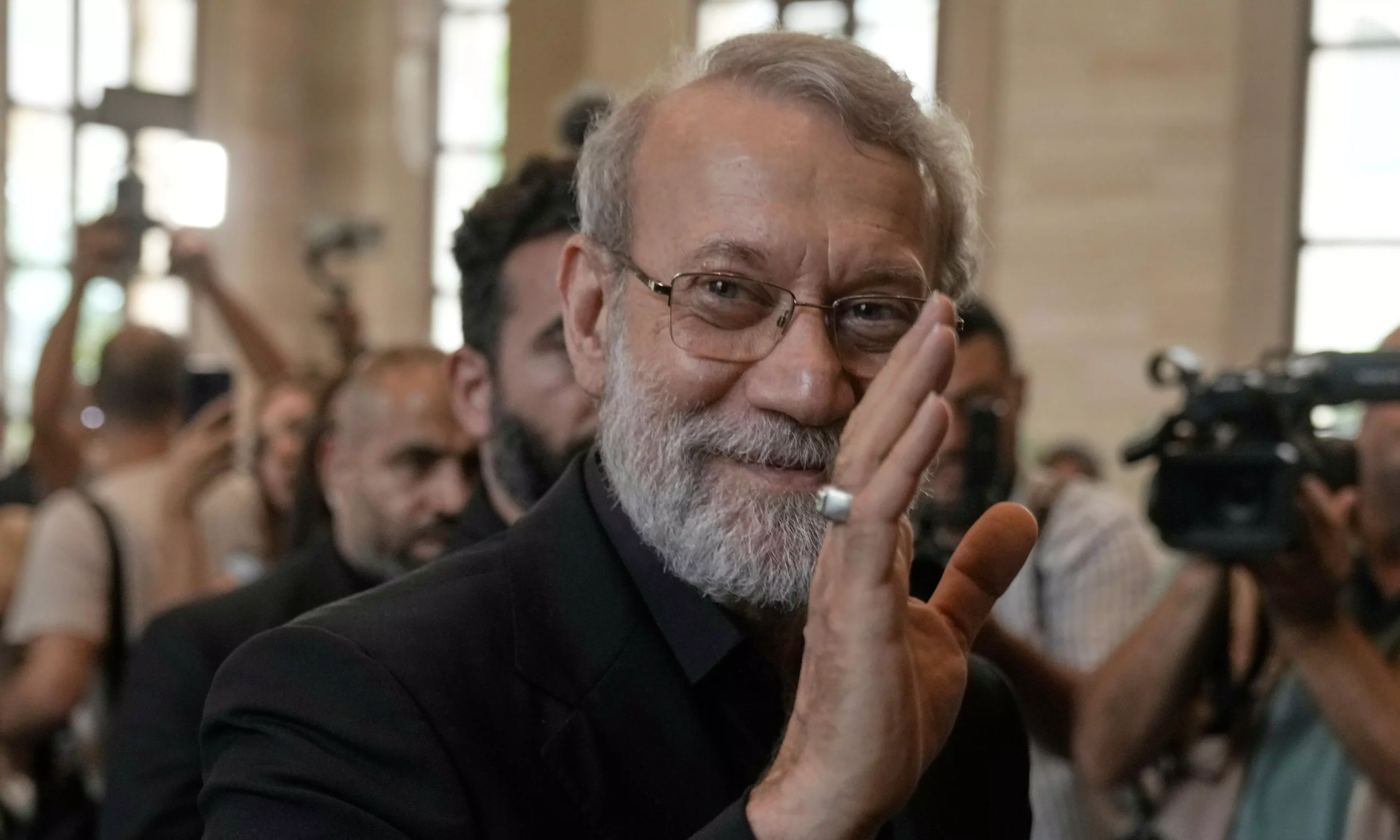
The assassination of Ali Larijani, a prominent Iranian political figure, has triggered discussions regarding its potential ramifications for the country’s governance and security frameworks. Larijani held significant influence within Iran’s political landscape, known for his previous roles as the Speaker of the Parliament and head of the Iranian National Security and Foreign Policy Committee. His assassination raises questions about the stability of Iran’s leadership and its broader implications on national security.

Leadership Dynamics and Power Vacuums

Larijani’s absence is expected to create a power vacuum, leading to shifts in the political dynamics within the Iranian government. As an experienced negotiator and strategist, he played a vital role in shaping Iran’s domestic and foreign policies. His death could alter the existing alliances among various political factions, possibly hindering cohesive decision-making in an already fragmented political environment. Analysts speculate that rival factions may seek to capitalize on this void, stirring intra-party competition and destabilizing existing coalitions.

Security Implications for Iran

The security ramifications of Larijani’s assassination could be substantial. His deep involvement in national security matters positioned him as a crucial mediator during tense situations. With his assassination, sections of the military and security apparatus might rethink their strategies, particularly regarding Iran’s foreign engagements and regional policies. The assassination raises concerns about potential unrest within the country, as well as vulnerabilities to external threats amidst evolving geopolitical challenges.

Regional and International Reactions

The international community is likely to monitor the situation closely, as Larijani was a key player in facilitating dialogues on various nuclear and geopolitical issues. His assassination may impact Iran’s negotiations with world powers, especially regarding the nuclear agreement and regional stability in the Middle East. Countries with vested interests in Iranian affairs might reassess their strategies in light of this new development, further complicating an already intricate geopolitical landscape.

Public Sentiment and Societal Impact

Public reactions to Larijani’s assassination are varied, with some segments of society expressing outrage while others reflect on the potential for political upheaval. The populace is likely to be on edge given the uncertainty surrounding the future political climate. Furthermore, Larijani’s legacy as a statesman remains contentious, with some viewing his approach to governance favorably while others criticize his policies and affiliations. This polarization may influence public trust in leadership amid the evolving circumstances.

Future Directions for Governance

As the Iranian government navigates this unprecedented challenge, the focus will be on maintaining stability and continuity in governance. How the ruling elite responds to Larijani’s assassination could define the future course for both internal policies and international relations. The leadership will need to emphasize unity and strategic planning to prevent dissent and ensure national interests are adequately protected. The capacity to adapt quickly to these changes will be crucial as Iran stands at a critical juncture in its history.

Long or Short, get news the way you like. No ads. No redirections. Download Newspin and Stay Alert, The CSR Journal Mobile app, for fast, crisp, clean updates!

App Store –  https://apps.apple.com/in/app/newspin/id6746449540 

Google Play Store – https://play.google.com/store/apps/details?id=com.inventifweb.newspin&pcampaignid=web_share

Latest News

Popular Videos
