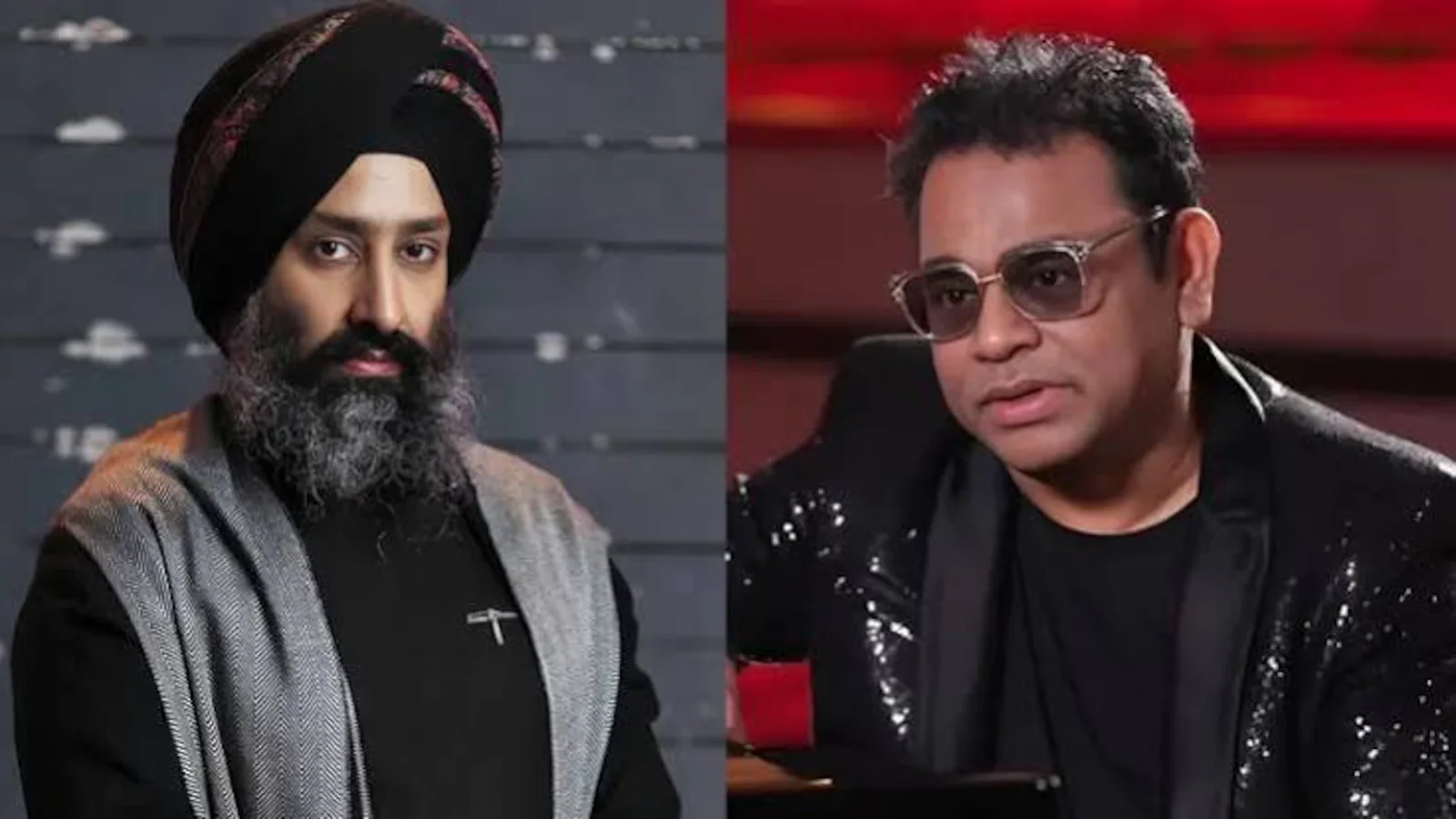
Singer-songwriter Rabbi Shergill has weighed in on musician AR Rahman’s recent comments regarding the existence of communal bias in India’s entertainment sector. During an interview on The Life Savers Show, Shergill noted that Rahman’s concerns should not be overlooked, especially in the current societal climate.
While Shergill acknowledged that he was not fully aware of the context behind Rahman’s remarks, he emphasised that it would be hard to dispute a communal dimension in the present scenario. He indicated that Rahman’s perspective resonates with a broader shift in film funding and political influences in the country.
Political Context and Global Trends
Elaborating on the matter, Shergill discussed how changes in film financing have led to the rise of what he termed as “propaganda cinema.” He mentioned that numerous films have been backed by significant financial resources while being questioned for their underlying biases and political motivations. Notable examples included The Kashmir Files and The Kerala Story, both of which sparked debate over their political undertones.
Shergill highlighted the importance of taking Rahman’s comments seriously, believing that the concerns cited are not limited to India but reflect a pattern observable worldwide. He suggested that artists must acknowledge and navigate these complex issues in their work.
In discussing the global perspective, Shergill pointed to a shifting landscape where right-leaning ideologies have gained prominence since the 1960s, contrasting it with the previously influential left-leaning politics. He argued that this trend is evident not just in India, but across various countries facing similar ideological struggles.
Views on AR Rahman’s Contribution to Music
In an earlier discussion shared on Divas Gupta’s YouTube channel, Shergill praised AR Rahman’s contributions to Hindi cinema. However, he remarked that Rahman’s influence has led to a shift wherein lyrics have become secondary to musical composition in Hindi films. He expressed admiration for Rahman’s creative talent but indicated a personal concern regarding the significance of lyrical content in Rahman’s works.
Shergill articulated that Rahman’s focus on musical elements has resulted in a diminished emphasis on lyrics, which he believes undermines the expressiveness and richness of the songs. He cited this change as a challenge, suggesting that it affects the overall depth of artistic expression within the industry.
While acknowledging Rahman’s strength in genres like Tamil music, Shergill noted the differences in artistic representation, suggesting that Rahman’s work in Hindi films may not fully align with his artistic ethos. This observation adds another layer to the ongoing dialogue regarding artists’ roles in shaping cultural narratives.
Context of Rahman’s Original Statement
AR Rahman’s initial comments surfaced during an interview with the BBC, where he was prompted about potential prejudice within the Hindi film industry. Although he stated he had not directly encountered bias, he suggested that changing power dynamics may influence how opportunities are distributed to creators.
Rahman expressed that shifts in industry power may have resulted in concealed forms of prejudice, and he described how these shifts might not always be overt. He conveyed a sense of acceptance regarding his career trajectory, stating that he preferred to focus on his family rather than aggressively seeking work, thus reflecting a more introspective approach to his artistic responsibilities.
Rabbi Shergill’s responses have extended the conversation initiated by Rahman’s remarks, leading to discussions about political implications, financial backing for films, and the evolving nature of artistic expression in contemporary society. The dialogue underscores the ongoing relevance of these themes in today’s cultural landscape.
Long or Short, get news the way you like. No ads. No redirections. Download Newspin and Stay Alert, The CSR Journal Mobile app, for fast, crisp, clean updates!