


24 Of The World’s 25 Most Polluted Cities Are In India With AQI Above 300
The CSR Journal Magazine

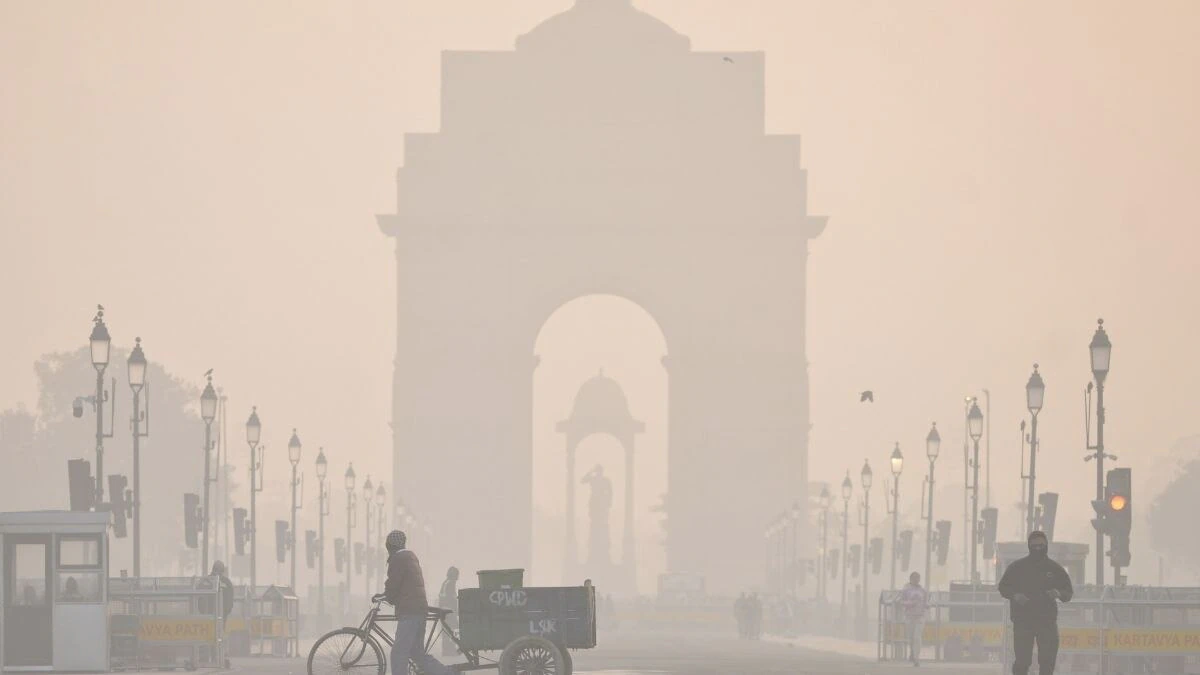
On Wednesday morning at 11:09 am, 24 cities in India recorded air quality index (AQI) readings exceeding 300, placing them among the world’s 25 most polluted locations. This situation highlights the escalating pollution issues prevalent in northern India as the region enters its annual winter pollution season. The data reflects a concerning trend in air quality, particularly affecting urban areas.

Agra in Uttar Pradesh registered the highest AQI globally at 363, followed closely by Sri Ganganagar in Rajasthan with an AQI of 362 and Firozabad in Uttar Pradesh at 360. Delhi’s AQI was measured at 338, positioning it 12th in the global ranking, indicative of the broader pollution challenges impacting the National Capital Region and its surrounding states.

In addition to these cities, Gurugram in Haryana recorded an AQI of 357. The only city outside India to make the top 25 list was Sampit in Indonesia, which had an AQI of 360. All 25 cities reported AQI values above 300, with the lowest being Begusarai in Bihar at 308, underscoring a widespread air quality crisis.

Understanding AQI Levels

The Air Quality Index (AQI) serves as a tool to convert various air pollutant measurements into a single figure, simplifying the understanding of air quality levels and their potential health implications. According to the Central Pollution Control Board (CPCB) of India, AQI readings between 301 and 400 fall into the ‘Very Poor’ category, while values from 401 to 500 are classified as ‘Severe’. AQI.in categorises these levels similarly, labelling them as ‘Severe’ as well.

Prolonged exposure to air with such high pollution levels can lead to respiratory illnesses, particularly affecting individuals with pre-existing lung or heart conditions. The health risks associated with these elevated AQI readings necessitate urgent attention and action to mitigate their impact on public health.

As the air quality deteriorates, it is crucial for residents to be aware of the risks involved and to take necessary precautions, especially during peak pollution periods. The situation calls for increased awareness and proactive measures to safeguard health.

Factors Contributing To Rising Pollution Levels

The recent decline in air quality follows the end of the monsoon season and the onset of winter. The monsoon typically helps alleviate pollution levels by washing away some airborne contaminants and promoting stronger winds that disperse pollutants. However, as rainfall decreases and wind patterns weaken, pollutants from vehicles, industries, construction activities, and waste burning tend to accumulate.

With the arrival of colder temperatures, atmospheric conditions become less conducive to the dispersion of these pollutants. Additionally, the practice of crop-residue burning in northern India exacerbates the seasonal pollution burden, although its impact varies by region. These factors collectively contribute to the worsening air quality during the winter months.

While temporary relief may be provided by rain and stronger winds, these conditions do not address the underlying sources of pollution. As winter progresses, it becomes increasingly important to implement sustained reductions in emissions to prevent further deterioration of air quality.

Long or Short, get news the way you like. No ads. No redirections. Download Newspin and Stay Alert, The CSR Journal Mobile app, for fast, crisp, clean updates!

App Store – https://apps.apple.com/in/app/newspin/id6746449540

Google Play Store – https://play.google.com/store/apps/details?id=com.inventifweb.newspin&pcampaignid=web_share

Latest News

Popular Videos
