


“Water Can’t Be Weaponised”: Pak PM Sharif Responds After India Rejects Hague Ruling
The CSR Journal Magazine

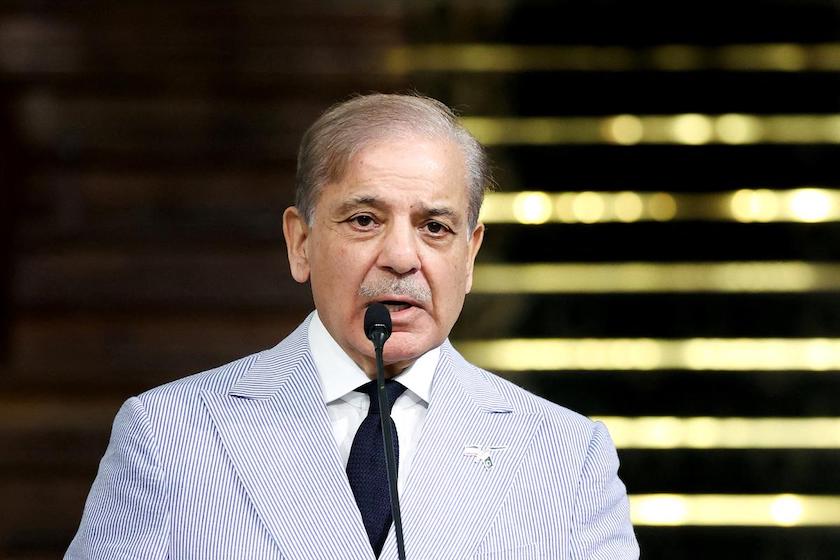
Pakistan Prime Minister Shehbaz Sharif highlighted the issue of the Indus Waters Treaty during the Shanghai Cooperation Organisation (SCO) summit, asserting that water must not be used as a weapon for political gain. He referred to water as the “lifeblood” of the region, essential for sustaining millions, supporting agriculture, and ensuring a viable future for upcoming generations.

While addressing the SCO Council of Heads of State, Sharif insisted that shared water resources should not serve as tools of coercion. He emphasised that treaties regulating these resources are binding international commitments that must be respected. His comments came shortly after India dismissed a ruling by the Hague-based Court of Arbitration, which stated that the Indus Waters Treaty remains legally binding.

Sharif reiterated that international agreements should be upheld in both letter and spirit, asserting that any departure from these commitments undermines regional stability.

India Rejects Hague Court Verdict

The ongoing tensions between India and Pakistan regarding the Indus Waters Treaty have intensified, following India’s rejection of the Hague Court’s ruling. The court affirmed that the dispute-resolution mechanism under the treaty should continue to address conflicts between the two countries.

India’s stance is that the tribunal is “illegally constituted” and lacks jurisdiction over the matter. The Ministry of External Affairs has asserted that it does not recognise the court’s authority and has conveyed that the tribunal’s decisions would not affect India’s actions regarding hydroelectric projects. Furthermore, India has indicated that its suspension of the treaty remains in place, irrespective of the court’s findings.

This situation has arisen amidst a broader context of regional tensions, notably following the Pahalgam terror attack in April 2025, which resulted in the deaths of 26 individuals and prompted India to halt the treaty’s operation.

Modi Highlights Anti-Terrorism Measures

Sharif’s statements were made following Indian Prime Minister Narendra Modi’s address at the SCO summit, where he concentrated on terrorism issues. Modi urged member states to combat the entire ecosystem of terrorism, encompassing financing, recruitment, radicalisation, and safe havens.

During his speech, Modi described terrorism as a significant challenge for humankind. He stressed that the response to terrorism should extend beyond simple reactionary measures. Modi also cautioned against “double standards” in combating terrorism, advocating for a unified international response against nations that enable terrorist activities.

Modi’s remarks underscored the necessity of dismantling the networks that support terrorism. He highlighted the importance of a collaborative international stance, emphasising that terrorism should not be regarded as a strategic asset by any country. For India, the SCO serves as a convergence point for diverse civilisations and cultural ideas, and Modi outlined three pillars for India’s engagement in the grouping: security, connectivity, and opportunity.

Long or Short, get news the way you like. No ads. No redirections. Download Newspin and Stay Alert, The CSR Journal Mobile app, for fast, crisp, clean updates!

App Store –  https://apps.apple.com/in/app/newspin/id6746449540 

Google Play Store – https://play.google.com/store/apps/details?id=com.inventifweb.newspin&pcampaignid=web_share

Latest News

Popular Videos
