


US Vice President JD Vance Willing to Transform Relationship with Iran
The CSR Journal Magazine

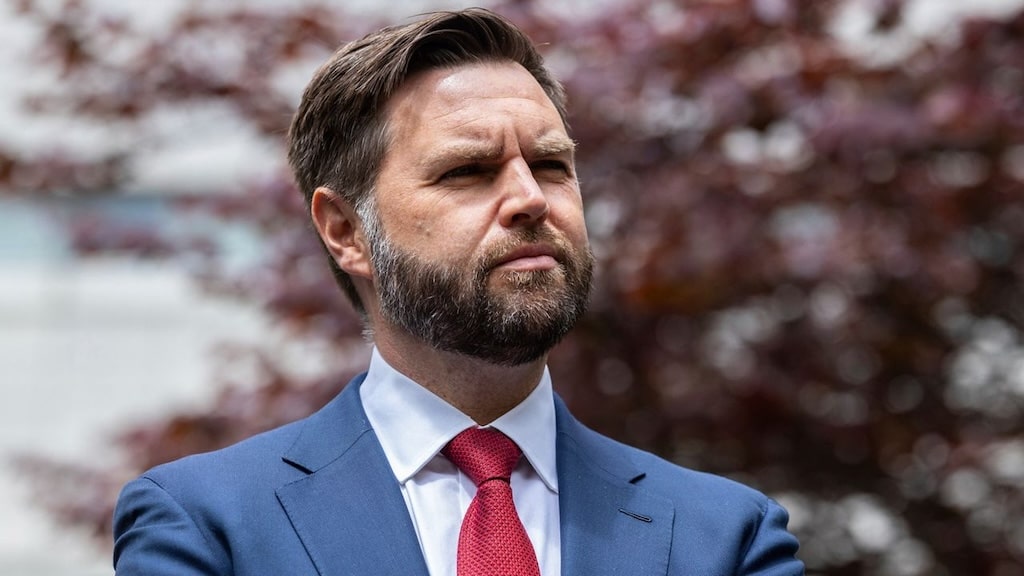
US Vice President JD Vance has detailed an emerging agreement framework between Washington and Tehran, aiming to ensure that Iran does not acquire nuclear weapons. This proposal holds the potential for a significant transformation in bilateral relations, contingent upon confirmed changes in Iran’s behaviour. During an interview with Fox News, Vance addressed ongoing discussions around alleged financial incentives in connection with the agreement.

Vance denied claims that the US is transferring billions of dollars to Iran, asserting that figures such as $24 billion circulating in the media are “totally false” and fabricated. He underscored the pivotal points of the agreement, which includes the reopening of the Strait of Hormuz and stabilising oil prices, alongside maintaining strict parameters to prevent Iran from developing nuclear capabilities.

The Vice President emphasised that if Iran commits to altering its current policies, including stopping its pursuit of nuclear weapons and funding terrorism, the US is open to fundamentally changing its relationship with the country. This transformation is contingent on verified progress and actions from Tehran.

Iran’s Nuclear Commitments and Monitoring

In the discussion, Vance highlighted Iran’s current commitment to dismantling its stockpile of enriched nuclear material. He elaborated that the broader benefits of the agreement hinge upon Tehran halting uranium enrichment and adhering to robust verification processes. He stated, “They’re agreeing right now to eliminate the enriched stockpile.” This development is viewed as crucial to any future cooperation.

The Vice President noted that the US will collaborate with Iran and international organisations to oversee the elimination of enriched nuclear material. He asserted that recent advancements have significantly weakened Iran’s nuclear capabilities, stating, “We have fundamentally destroyed their programme.” These remarks indicate a shift towards a more cautious approach in dealing with Iran’s nuclear ambitions.

Furthermore, Vance drew contrasts between the current negotiation framework and the Joint Comprehensive Plan of Action (JCPOA) initiated under former President Barack Obama. He critiqued the JCPOA, citing concerns from Gulf Arab nations about its role in empowering Iran as a disruptive force in the region.

Regional Support and Future Prospects

Vance continued to express that the present agreement is more favourable in the eyes of Gulf Arab states, describing it as a framework that could potentially reshape the future of West Asia. He noted that the previous administration’s deal was met with widespread disapproval in the region due to fears of increased Iranian influence.

Discussions around the agreement are moving forward, with a formal signing planned in Geneva later this week. The completion of this accord is seen as essential in reinforcing global security measures regarding Iran’s nuclear programme.

President Trump has characterised this new accord as a “very powerful document” and has indicated that the full details of the agreement will be made public after the signing ceremony. This transparency is likely aimed at fostering greater international support for the initiative as discussions around Iran’s nuclear future unfold.

Long or Short, get news the way you like. No ads. No redirections. Download Newspin and Stay Alert, The CSR Journal Mobile app, for fast, crisp, clean updates!

App Store –  https://apps.apple.com/in/app/newspin/id6746449540 

Google Play Store – https://play.google.com/store/apps/details?id=com.inventifweb.newspin&pcampaignid=web_share

Latest News

Popular Videos
