


US Judge Rules That Trump Administration Unlawfully Targeted Pro-Palestine Activists
The CSR Journal Magazine

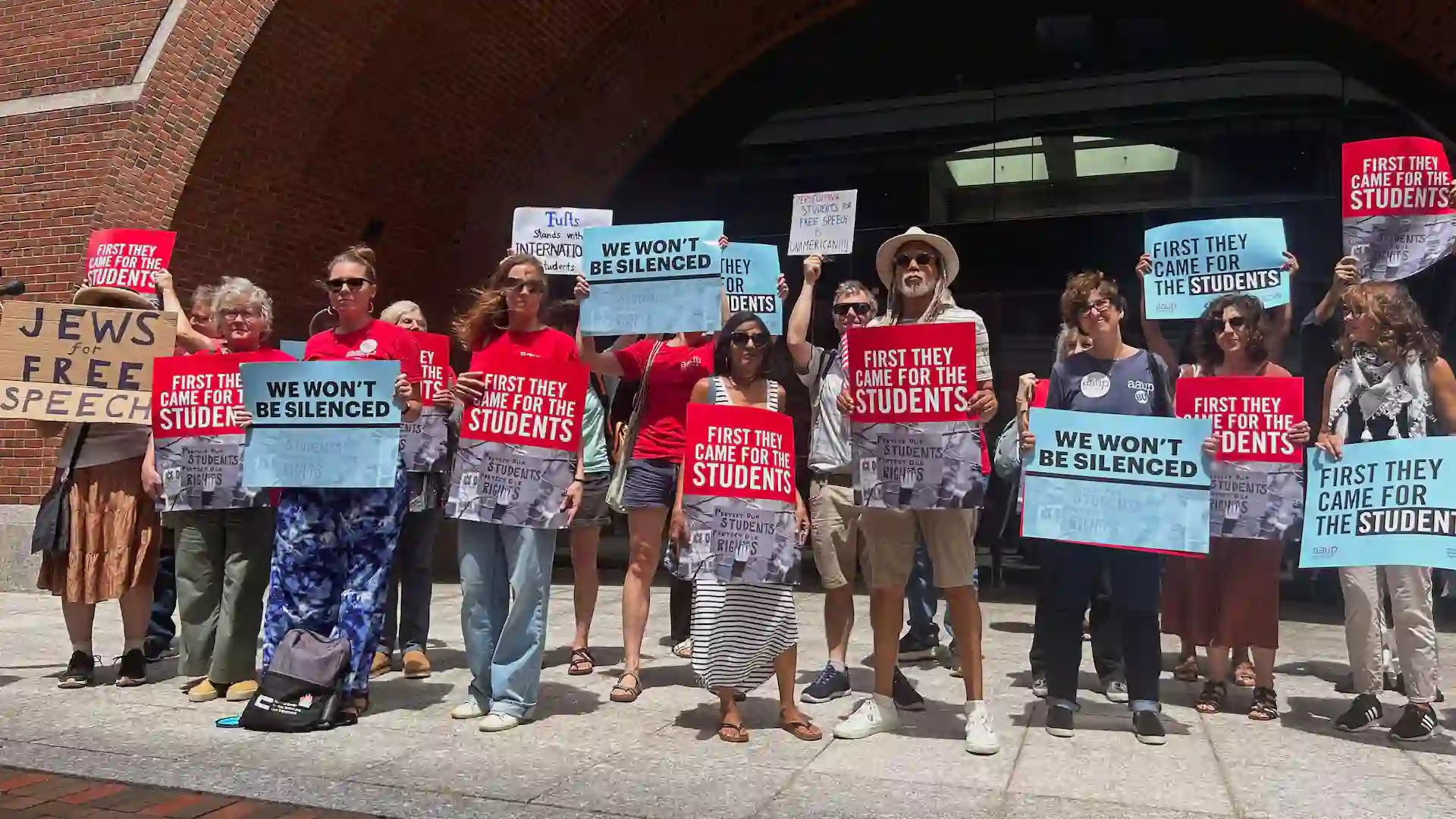
A federal judge has determined that the Trump administration’s application of immigration laws to cancel visas and initiate deportation proceedings against noncitizen college students who advocated for pro-Palestinian causes was unconstitutional. US District Judge Noel Wise delivered this verdict on Friday in San Jose, California, criticising both the US State Department and the Department of Homeland Security for employing immigration provisions to target individuals based on their political views.

In her decision, Judge Wise emphasised the importance of free speech in a democratic society, asserting that criticisms of the government should not lead to retaliation. “That strength is diminished when members of our society – citizens and noncitizens alike – must self-censor and ‘behave’ or suffer the government’s retaliation,” she remarked.

The ruling comes following a series of actions by the Trump administration beginning in March 2025, which included revoking the visas of noncitizens engaged in pro-Palestinian activities on campuses, with the arrest of Columbia University graduate Mahmoud Khalil serving as a notable example.

Immigration Policy Under Scrutiny

The case that led to the ruling was initiated by Stanford University’s student newspaper, The Stanford Daily, in August 2025. It claimed that its writers, who held student visas, felt compelled to avoid covering pro-Palestinian protests and relevant topics due to the chilling effect of the administration’s policies.

Lawyers for the newspaper argued that the provisions of the Immigration and Nationality Act used by the administration to cancel visas contravened the First and Fifth Amendments of the US Constitution as they pertained to protected speech. Under these provisions, Secretary of State Marco Rubio had the discretion to declare noncitizens deportable if he believed their actions compromised a vital foreign policy interest.

Judge Wise supported the newspaper’s stance, indicating that when the government acts against a noncitizen’s speech, it amounts to targeting that speech for unfavourable treatment based on its viewpoint. This speaks to broader issues of censorship and the protection of free expression.

Implications for Free Speech and Public Discourse

The ruling resonates with a previous decision made by Boston-based US District Judge William Young, who similarly found the Trump administration’s policies unconstitutional, stating that such measures against foreign students and faculty engaged in pro-Palestinian advocacy violated their rights. Both rulings suggest a judicial consensus on the importance of protecting free speech against government overreach.

Conor Fitzpatrick, representing the student newspaper through the Foundation for Individual Rights and Expression, stated that the ruling reaffirmed the notion that free speech is an inalienable right. The implications of this decision may have far-reaching effects on how advocacy and dissent are treated under US law.

Wise further expressed concern about the potential for the administration to target a broader range of speech in the future. She stated, “This downward spiral is antithetical to our Constitution that recognises our right to speak freely.” The judge concluded her statement by highlighting the principle that one can dislike the content of a person’s speech while still cherishing the freedom that enables such expression.

Long or Short, get news the way you like. No ads. No redirections. Download Newspin and Stay Alert, The CSR Journal Mobile app, for fast, crisp, clean updates!

App Store –  https://apps.apple.com/in/app/newspin/id6746449540 

Google Play Store – https://play.google.com/store/apps/details?id=com.inventifweb.newspin&pcampaignid=web_share

Latest News

Popular Videos
