


app-store-logo
play-store-logo
February 8, 2026

US Drops Bombshell: China Conducted Covert Nuclear Testing Following Galwan Clash
The CSR Journal Magazine

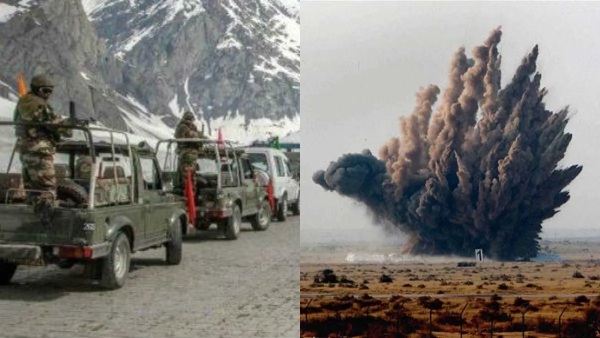
On June 15, 2020, a violent confrontation erupted between Indian and Chinese forces in the Galwan Valley, resulting in the deaths of 20 Indian soldiers. This clash marked a significant escalation in tensions between the two nations, each asserting their territorial claims along the Line of Actual Control (LAC).

Allegations of a Nuclear Test

According to Deananao, a U.S. official, China allegedly conducted a yield-producing nuclear test just seven days after the Galwan incident, on June 22, 2020. This activity is considered a violation of international regulations governing nuclear testing. The timing of the nuclear test has raised concerns regarding China’s compliance with global norms and its intentions in the region.

International Responses to the Allegations

The assertion about China’s secretive nuclear testing has sparked reactions from various geopolitical observers. Analysts are closely monitoring the implications this claim may have on regional security and diplomatic relations in Asia. The international community, particularly nations involved in nuclear non-proliferation efforts, may find this revelation troubling, as it suggests a potential disregard for established treaties.

China’s Stance on Nuclear Testing

China has historically maintained a policy of nuclear restraint and has been a signatory to various non-proliferation treaties. The government, however, has not publicly commented on these recent allegations regarding the purported nuclear test conducted shortly after the Galwan incident. Experts suggest that the silence from Beijing could indicate the sensitivity surrounding the issue.

Regional Geopolitical Context

The Galwan clash is seen as part of a broader pattern of military confrontations between India and China, particularly in disputed border areas. The dynamics between these two nuclear-armed nations have significant implications for regional stability in South Asia. The purported nuclear test adds a new layer to an already complex relationship, raising concerns about the potential for further escalation.

The Implications of Nuclear Escalation

The possibility of nuclear escalation in response to conventional military skirmishes poses significant risks. Should the claims regarding the nuclear test prove accurate, this could change the narrative of nuclear deterrence in the region. Furthermore, it may compel other nations to reassess their military strategies and alliances in light of this development.

Future Monitoring and Verification Efforts

In the wake of these allegations, there may be increased calls for international monitoring of nuclear activities in China. Organizations dedicated to arms control and non-proliferation may seek to engage with China to clarify its nuclear intentions. Enhanced transparency could be essential for reducing the risks associated with misunderstandings or miscalculations.

Conclusion of Recent Developments

As the situation continues to evolve, the global community remains vigilant. The ramifications of China’s alleged nuclear test extend beyond immediate regional concerns, potentially affecting global nuclear policy and security frameworks. The developments surrounding this issue will be crucial for both diplomatic negotiations and military preparedness in the context of Indo-China relations.

Long or Short, get news the way you like. No ads. No redirections. Download Newspin and Stay Alert, The CSR Journal Mobile app, for fast, crisp, clean updates!

Latest News

Popular Videos
