


US Administration Proposes Ending H-4 EAD Work Permits
The CSR Journal Magazine

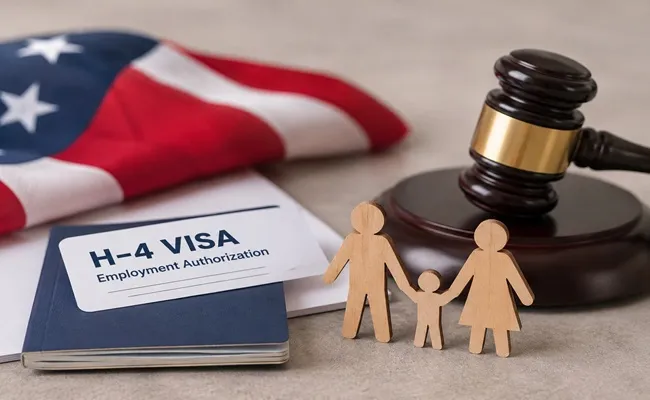
The proposed rule by the Trump administration aims to terminate employment authorisation for H-4 visa holders, which could have significant repercussions for Indian professionals in the United States. This change targets the spouses of H-1B visa holders, many of whom have relied on Employment Authorisation Documents (EADs) to work legally in the country.

Historically, the H-4 visa has been popular among the spouses of Indian professionals in the US. Data indicates that between 2014 and 2017, approximately 93 per cent of H-4 EAD applicants were Indian nationals, with a noteworthy 94 per cent of these being women.

The Department of Homeland Security (DHS) has included this proposal in its long-term regulatory agenda, labelled as “Removing H-4 Dependent Spouses From the Classes of Noncitizens Eligible for Employment Authorisation.” Although, the administration has not set any specific timeline for its enactment, the implications could be profound for the affected families.

Details of the Proposed Changes

According to the proposal, the DHS suggests excluding certain H-4 dependent spouses from the category of individuals eligible to apply for work authorisation. This move would reverse the 2015 changes enacted during the Obama administration that permitted H-4 spouses to apply for EADs.

The text of the proposal specifies that it seeks to restore the previous policy of the DHS, which did not allow H-4 dependent spouses to obtain employment authorisation. Despite the proposal being under consideration, it is essential to note that it has not yet been implemented, meaning existing H-4 EAD holders can continue working while the proposal progresses through the regulatory process.

For the proposal to take effect, the DHS must first issue a Notice of Proposed Rule-making (NPRM) in the Federal Register. Following this, there will be an opportunity for public comment before any final decision, potentially delaying its implementation.

Consequences for H-4 Visa Holders

This move by the DHS is not unprecedented; Trump’s earlier administration introduced a similar proposal before ultimately withdrawing it in 2021. This renewed effort signals a continuing trend of attempts to limit employment opportunities for certain visa holders.

The potential changes could have a disproportionate impact on Indian families, with data indicating that Indian nationals comprised around 71 per cent of approved H-1B petitioners in the fiscal year 2024. Many of these individuals have brought their spouses to the US on H-4 visas, necessitating work authorisation for financial stability.

While the USCIS does not disclose the exact number of H-4 EAD holders by nationality, research from the Congressional Research Service highlights that between 2014 and 2017, 93 per cent of approved H-4 EAD applicants were Indian. A substantial number of these individuals are part of skilled professions, including healthcare and technology.

At present, Indian H-4 visa holders with valid EADs can continue to live and work legally in the US alongside their H-1B spouses. However, the new rules, if implemented, could dramatically alter the financial landscape for many families reliant on dual incomes. As the process unfolds, potential legal challenges could further delay any final outcomes from the proposed rule.

Long or Short, get news the way you like. No ads. No redirections. Download Newspin and Stay Alert, The CSR Journal Mobile app, for fast, crisp, clean updates!

App Store –  https://apps.apple.com/in/app/newspin/id6746449540 

Google Play Store – https://play.google.com/store/apps/details?id=com.inventifweb.newspin&pcampaignid=web_share

Latest News

Popular Videos
