


Iran Rejects US Proposal for Reopening Strait of Hormuz
The CSR Journal Magazine

Iran has responded unfavourably to the United States’ reply concerning its seven conditions for the reopening of the Strait of Hormuz. This reaction indicates that the hoped-for diplomatic breakthrough is unlikely. Iranian officials have expressed that several key demands remain unresolved, which casts uncertainty over the fate of this crucial waterway that is vital for global energy shipments.

Mohsen Rezaei, who heads Iran’s Supreme National Security Council, labelled Washington’s response as “insufficient”. He emphasised the need for the US to clarify its stance on outstanding issues before any further negotiations could take place. Rezaei specifically mentioned that Iran had unequivocally stated the Strait of Hormuz would remain closed until its conditions were met.

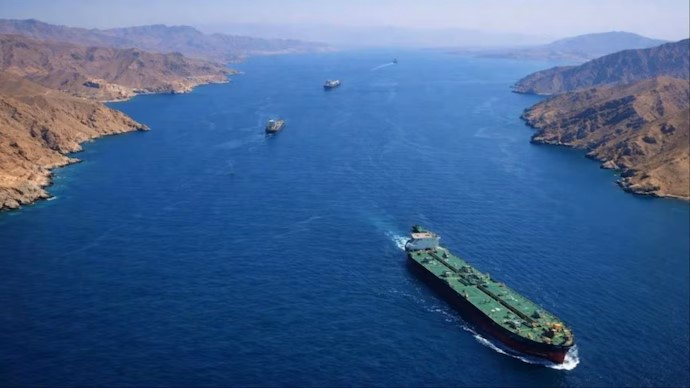
Tehran’s stance leaves global energy markets in a precarious situation as the waterway has historically facilitated approximately one-fifth of the world’s oil and liquefied natural gas supplies. The situation escalates amid ongoing conflicts that began late February with US and Israeli military actions against Iran.

Lack of Progress in Diplomatic Communications

The US conveyed its response through intermediaries in Qatar, who have played a pivotal role in maintaining communication between the two nations as various efforts to resolve the conflict and restore shipping continue. According to Iranian sources, the US proposal aims to build trust and re-establish an earlier interim agreement that had briefly halted hostilities concerning both the Strait of Hormuz and Iran’s nuclear programme.

Sources familiar with the negotiations revealed that the primary issue at stake is the sequence in which the proposed actions will be enacted, rather than the fundamental aspects of the agreement itself. While some conditions appear to have been accepted by Washington, others remain ambiguous, leading to a continued stalemate.

Iran has also articulated that discussions regarding its nuclear programme will not be part of the current diplomatic agenda aimed at reopening the Strait of Hormuz. Iranian Foreign Ministry spokesperson Esmaeil Baghaei reiterated that Iran’s immediate concerns lie in ensuring security in the strategic waterway rather than revisiting nuclear discussions with the United States.

Warnings of Military Escalation from Iran

Iranian Foreign Minister Abbas Araghchi has made it clear that Tehran is prepared to engage militarily if diplomatic avenues collapse. He conveyed this message to foreign diplomats in Tehran, stressing that while Iran desires to negotiate, it is also ready to defend itself should military actions recommence.

In addition, Iranian military spokesperson Mohammad Akraminia announced plans to extend the range of Iran’s missile capabilities, indicating a readiness for confrontation. This reveals a commitment to strengthening military deterrence in the face of potential aggression.

The regional conflict has been exacerbated by international developments, including statements from US President Donald Trump regarding potential involvement in Saudi Arabia’s military actions against the Iran-aligned Houthi movement in Yemen. Following recent attacks attributed to the Houthis, which have resulted in casualties at Saudi airports, Trump remarked that the US might consider joining the fray, illustrating the broader implications of the situation extending beyond Iran and the US.

Long or Short, get news the way you like. No ads. No redirections. Download Newspin and Stay Alert, The CSR Journal Mobile app, for fast, crisp, clean updates!

App Store –  https://apps.apple.com/in/app/newspin/id6746449540 

Google Play Store – https://play.google.com/store/apps/details?id=com.inventifweb.newspin&pcampaignid=web_share

Latest News

Popular Videos
