



Understanding Why Your Mouth Waters at the Sight of Favourite Foods

The CSR Journal Magazine

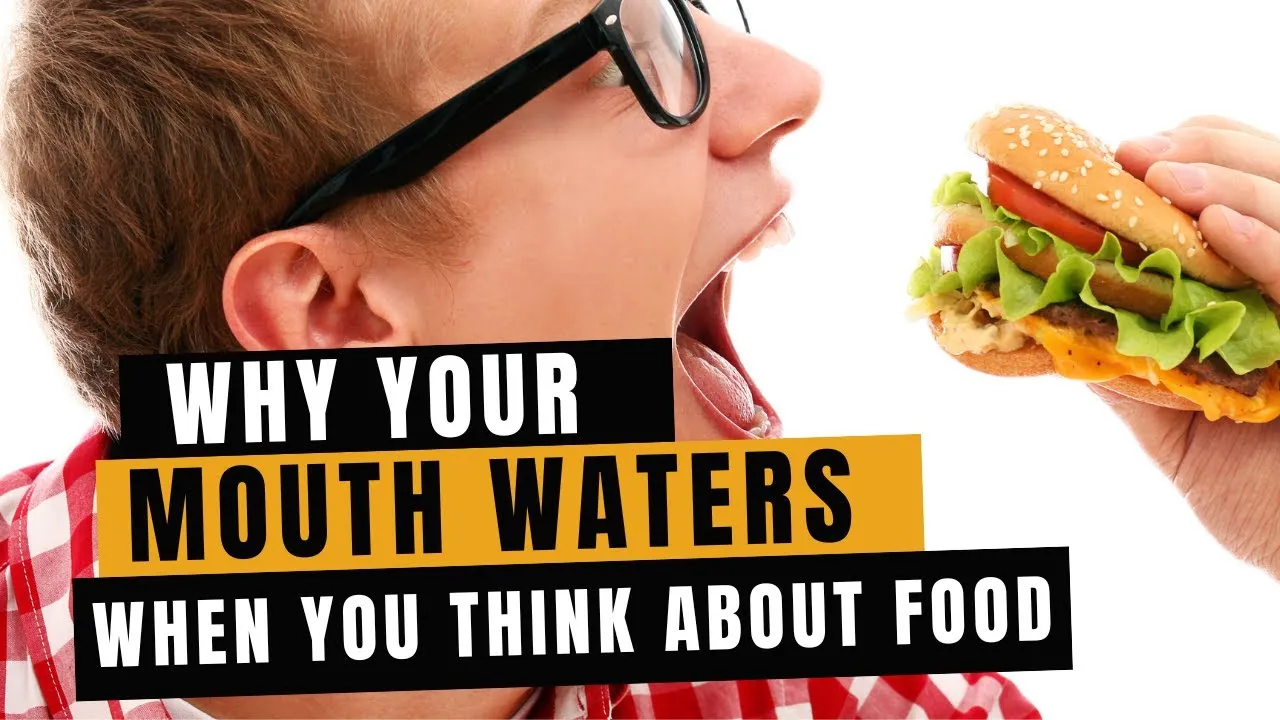
The phenomenon of mouth-watering when seeing favourite foods highlights a complex interaction between the brain and body. Often, individuals may not feel hunger initially, but the mere sight or scent of a beloved dish can trigger an immediate desire to eat. This response involves a fascinating process known as the cephalic phase of digestion, where the body begins to prepare for food before it is consumed.

This early preparation occurs as the brain processes visual and olfactory signals, significantly influencing bodily functions. The autonomic nervous system, when stimulated by cues related to food, can initiate the secretion of saliva and digestive enzymes to prime the body for the upcoming meal.

Dr Kunal Bahrani, a specialist in Neurology at Yatharth Hospitals, explains that these signals enhance the body’s readiness for food. The brain recognises and processes these cues, essentially signalling the body to anticipate eating, resulting in the common experience of salivating before the first bite.

The Role of Saliva in Digestion

Saliva serves crucial functions during the eating process, including helping to moisten food for easier chewing and swallowing. It plays a key role in the beginnings of digestion by breaking down food in the mouth. Thus, when individuals experience mouth-watering in response to visual or aromatic cues of their favourite dishes, it is a significant physiological process rather than a random reaction.

According to recent studies, visual and olfactory stimuli connected to food can enhance saliva production and spur digestive activities. This interplay explains why even simply thinking about a cherished dish can elicit a physical reaction linked to hunger.

The cephalic phase of digestion is noteworthy; it represents the preliminary phase where the body gears up for digestion before food enters the stomach. This process can be inadvertently triggered by recalling past meals, witnessing food or even imagining it. Dr Bahrani points out that appetite is a complex interplay involving not just physical sensations of hunger, but also memories, emotions, and environmental cues.

Influence of Sensory Cues on Appetite

Mouth-watering does not solely indicate an empty stomach. This physiological response can occur even after individuals have eaten, influenced by visually appealing dishes or enticing smells. An encounter with appetising stimuli can evoke feelings of hunger even when not consciously thinking about food.

Factors such as past experiences, sensory input, and memories all contribute to appetite formation. For instance, the aroma of traditional dishes may trigger nostalgic emotions, potentially increasing hunger and the desire to consume those foods.

Food smells wield a notable power in determining appetite. Familiar scents can evoke thoughts of meals and associated memories. This explains why the smell of cooking can stimulate feelings of hunger prior to seeing the actual food. Dr Suchismitha Rajamanya from Aster Whitefield Hospital articulates that these physical responses are integral to how the body readies itself for food intake and digestion.

Conversely, the brain can also signal aversion to food based on unpleasant stimuli. If an individual encounters an unappetising scent or sight, the brain may trigger responses such as nausea or a refusal to eat. Dr Bahrani emphasises that this illustrates how the same neural pathways that initiate appetite may also activate protective responses against potentially harmful food.

Such mechanisms work to safeguard against harmful substances by invoking a strong aversion to sights and smells recognised as unpleasant, thus prompting actions to avoid consuming them.

Long or Short, get news the way you like. No ads. No redirections. Download Newspin and Stay Alert, The CSR Journal Mobile app, for fast, crisp, clean updates!

App Store –  https://apps.apple.com/in/app/newspin/id6746449540 

Google Play Store – https://play.google.com/store/apps/details?id=com.inventifweb.newspin&pcampaignid=web_share

Latest News

Popular Videos