


Tukaram Mundhe Implements Ban on Loose Edible Oil in Maharashtra
The CSR Journal Magazine

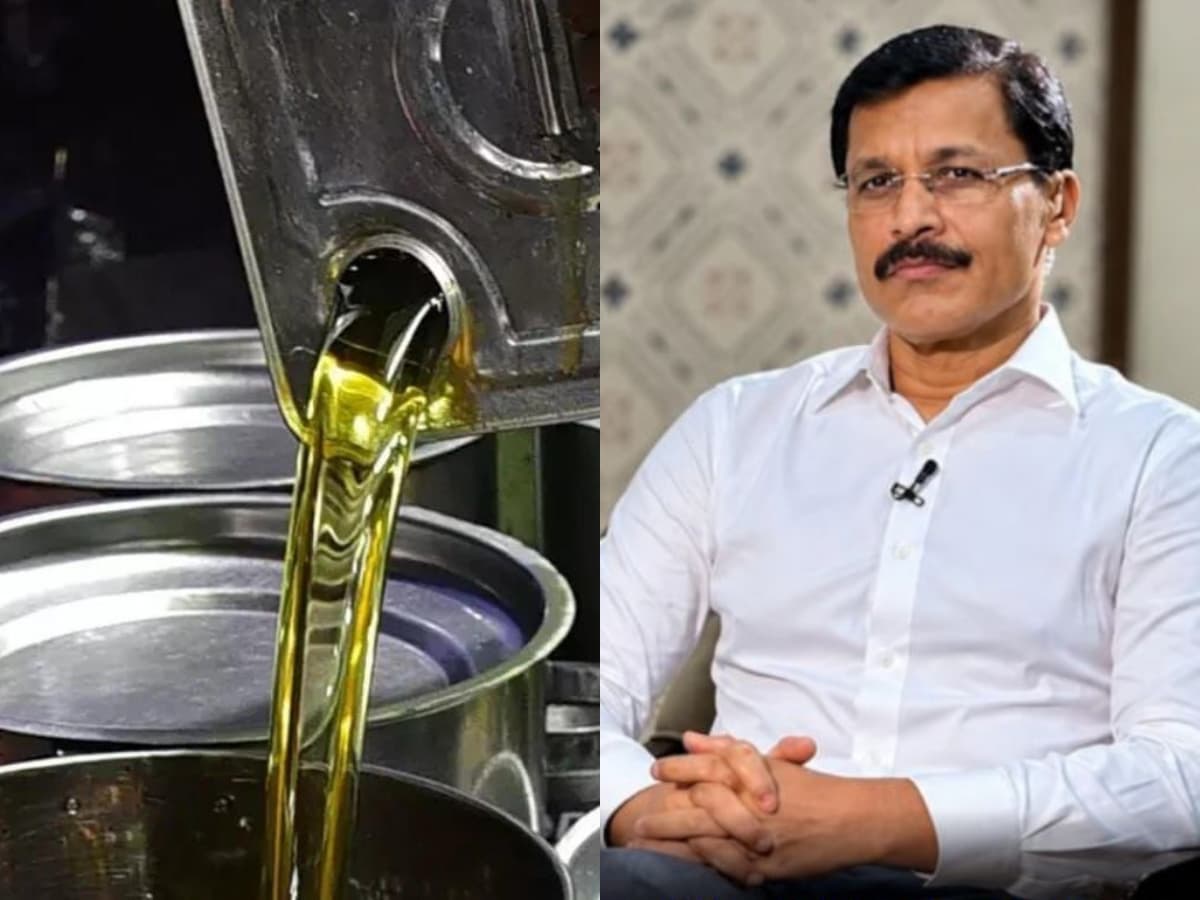
The Commissioner of the Maharashtra Food and Drug Administration (FDA), Tukaram Mundhe, has implemented a ban on the sale of loose, unpackaged edible oil throughout the state. This initiative, announced on Thursday, underscores the government’s commitment to safeguarding public health, with Mundhe stating that any violations could lead to incarceration for up to seven years. He emphasised the importance of food safety, particularly regarding oils that people consume daily.

At a press conference held in Mumbai, Mundhe explicitly referred to the adulteration of edible oils as a significant health concern that will no longer be tolerated. He highlighted that misleading advertisements promoting these products may incur fines reaching Rs 10 lakh. Additionally, he urged consumers to steer clear of purchasing loose oils, warning that their origins often remain unknown, increasing the risk of contamination and foodborne illnesses.

Compliance Framework for Oil Suppliers

Mundhe announced that the ban is reinforced by existing regulations under the Food Safety and Standards Act of 2006. Authorities have encountered multiple instances of non-compliance within the edible oil sector, including the operation of unregistered companies and the adulteration of oils with cheaper alternatives. The enforcement order, effective immediately, sets forth compliance measures applicable to all entities in the supply chain, from oil expelling units to online distributors.

The Maharashtra FDA conducted extensive inspections that revealed widespread malpractice, including the sale of substandard oils that exceed permissible levels for acid value and trans fats. The Commissioner noted that unauthorised blending of mustard oil with other oils is also prevalent and strictly forbidden. Thus, only packaged oils that meet safety standards should be available to consumers.

Mundhe pointed out concerning practices such as repackaging oils nearing expiry and using non-food-grade containers for packaging, which further jeopardise public health. He reiterated that unsanitary practices pose risks to consumers and undermined the integrity of the food supply chain.

Health Risks Associated with Adulterated and Reused Oil

During the press conference, Mundhe raised alarms over the dangers posed by repeatedly heating and reusing cooking oil. He explained that such practices lead to the formation of harmful Total Polar Compounds (TPC) and other detrimental substances. The consumption of these compounds has been linked to severe health issues, including cardiovascular diseases and an increased risk of cancer. The FDA has stipulated that oil with a TPC exceeding 25 per cent is unfit for consumption.

Consumers are advised to only use fresh cooking oil, with the limit for fresh oil set at a maximum of 15 per cent TPC. Used cooking oil must be disposed of properly through designated collectors and cannot re-enter the food supply chain under any circumstances. The emphasis is on ensuring food safety and public health.

With respect to enforcing these regulations, violations may lead to legal actions under Chapter IX of the Food Safety and Standards Act. Penalties may include fines for selling unsafe or substandard products, with significant measures in place for those operating without valid licenses. In cases of corporate entities, individuals responsible for violations will face personal liability.

Long or Short, get news the way you like. No ads. No redirections. Download Newspin and Stay Alert, The CSR Journal Mobile app, for fast, crisp, clean updates!

App Store –  https://apps.apple.com/in/app/newspin/id6746449540 

Google Play Store – https://play.google.com/store/apps/details?id=com.inventifweb.newspin&pcampaignid=web_share

Latest News

Popular Videos
