


Tharoor Advocates For Paid Maternity Leave In Informal Sector Amid Decline In Exclusive Breastfeeding

The CSR Journal Magazine

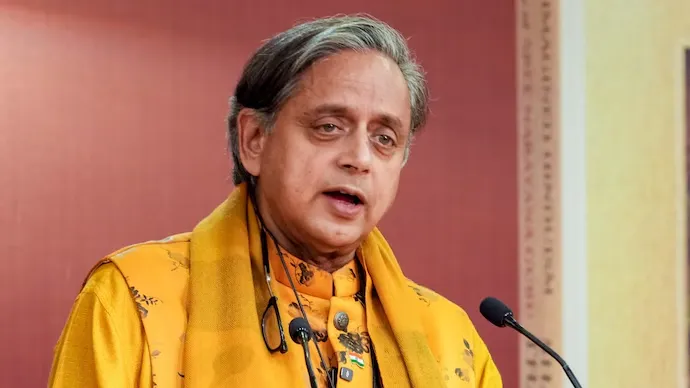
Shashi Tharoor, a senior Congress MP, has expressed serious concerns regarding the significant decrease in exclusive breastfeeding for infants under six months across India. This decline is particularly evident in rural areas, where women often return to their work within weeks of giving birth to maintain financial support for their families. Tharoor made these statements on September 5, 2026, addressing Union Health Minister JP Nadda and Union Minister for Women and Child Development, Annpurna Devi.

In a social media post, Tharoor referenced findings from the National Family Health Survey (NFHS-6), pointing out that while 90.6 per cent of deliveries in India occur in healthcare institutions, the rate of exclusive breastfeeding in the same demographic has fallen from 63.7 per cent to 55.8 per cent. The Congress MP underscored that this alarming trend is most pronounced in rural regions and in significant states such as Uttar Pradesh and Haryana.

Tharoor highlighted that this discrepancy illustrates a troubling gap between governmental policies and the realities faced by many families. He emphasised that over 16 crore women are engaged in India’s unorganised sector, which leads many to return to work shortly after childbirth, making it difficult to adhere to the six-month breastfeeding guideline crucial for infant development.

Impact Of Informal Work On Maternal Health

Tharoor further pointed out that without the provision of paid maternity leave or job security, numerous working mothers are compelled to resume informal employment soon after giving birth for financial survival. This situation creates significant barriers to exclusive breastfeeding, which the health authorities recommend for the first six months of an infant’s life.

He asserted that immediate reforms are necessary to improve conditions for mothers within the informal sector. Tharoor noted that the lack of supportive policies has made the recommended breastfeeding period economically unfeasible for many women. This situation calls for a comprehensive review of existing maternal policies to ensure that they align with the realities of women’s lives.

Tharoor attributed part of the decline in breastfeeding rates to systemic challenges in both healthcare and commercial sectors. He identified two primary issues: the increasing number of C-section deliveries and the intensive marketing of infant formula substitutes that undermine breastfeeding practices.

Recommendations For Policy Reforms

Tharoor argued that the crisis surrounding breastfeeding could be mitigated through comprehensive policy measures. He suggested that the government and employers should offer substantial financial maternity benefits to women working in the informal sector. He also called for the strict enforcement of the Infant Milk Substitutes (IMS) Act to protect breastfeeding.

Additionally, he emphasised the need for enhanced postnatal lactation counselling at all health centres to support new mothers. By providing robust support systems, the risks of malnutrition and infant mortality associated with insufficient breastfeeding could be significantly reduced.

In conclusion, Tharoor’s remarks addressed a fundamental issue affecting maternal and child health in India. He questioned whether any actions were being contemplated by relevant authorities to address the alarming decline in exclusive breastfeeding rates and to improve conditions for mothers in the workforce. The focus on these issues is essential to ensure better health outcomes for future generations.

Long or Short, get news the way you like. No ads. No redirections. Download Newspin and Stay Alert, The CSR Journal Mobile app, for fast, crisp, clean updates!

App Store –  https://apps.apple.com/in/app/newspin/id6746449540 

Google Play Store – https://play.google.com/store/apps/details?id=com.inventifweb.newspin&pcampaignid=web_share

Latest News

Popular Videos