
A recent extensive study in India has revealed a link between maternal anaemia during pregnancy and a heightened risk of stillbirth. Researchers observed nearly 220,000 pregnant women across ten diverse cohorts within the country. The research indicated that women with haemoglobin levels below 10 gdL at any point during pregnancy faced an increased risk of stillbirth after 28 weeks of gestation compared to their counterparts with no or mild anaemia. Notably, the risk was most pronounced among those with moderate to severe anaemia.
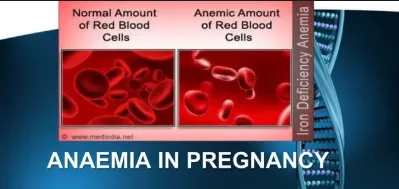
The condition of anaemia, characterized by a reduced capacity of the blood to carry oxygen due to insufficient haemoglobin or red blood cells, poses risks during pregnancy. As the mother’s body supports the developing foetus and placenta, inadequate oxygen delivery can adversely affect both maternal and foetal health. The findings of this study were published in The Lancet Regional Health – Southeast Asia.
The study was conducted by researchers from Oxford University, the Indian Council of Medical Research (ICMR), the Indian Institute of Public Health, and various other institutions across India and abroad. Unlike previous studies which provided limited evidence on the severity of anaemia concerning stillbirth, this research highlighted how the risks differ at various stages of pregnancy.