


Supreme Court Dismisses PIL for Ethanol Disclosure in Petrol
The CSR Journal Magazine

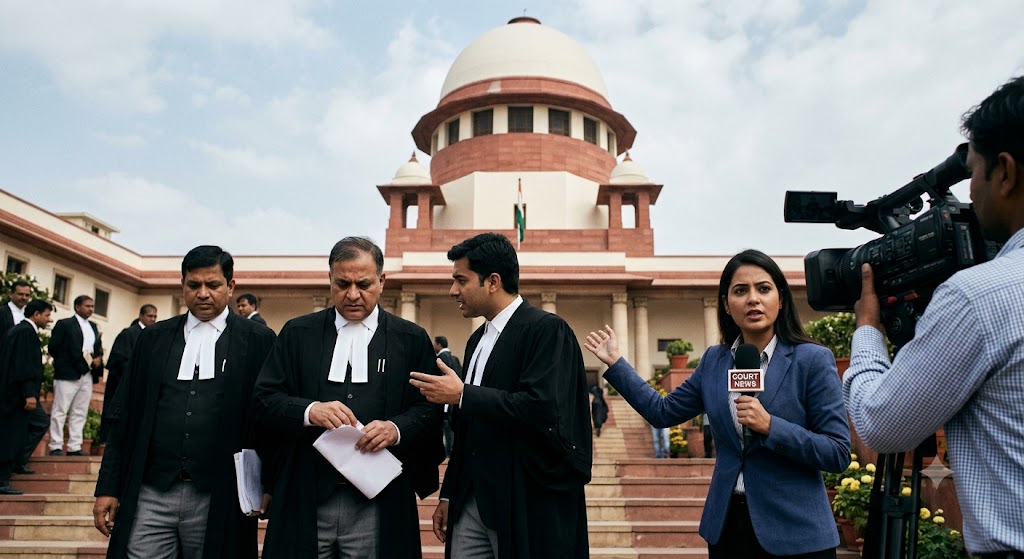
The Supreme Court of India has dismissed a public interest litigation (PIL) that sought mandatory disclosure of ethanol content in petrol sold at fuel stations. The petition, filed by advocate Narendra Goswami, aimed for greater transparency regarding ethanol-blended petrol, specifically requesting that petrol pumps display the exact percentage of ethanol in the fuel and include this information on receipts and invoices given to consumers.

During the court proceedings, the bench, consisting of Justices MM Sundresh and PB Varale, addressed the concerns raised by Goswami, who clarified that his petition was not a challenge to the government’s existing ethanol-blending policy. Instead, he argued for the consumers’ right to be informed about the fuel composition they were purchasing. He stated, “I have a right to be informed. If I buy petrol, there is no mention of E20,” referencing the specific ethanol blend.

R. Venkataramani, the Attorney General of India, represented the central government during the hearings and highlighted that the Supreme Court had previously dismissed similar petitions challenging the ethanol-blending policy. He asserted that Goswami’s petition did not raise any new issues concerning this policy, and therefore was not viable.

Goswami insisted that the essence of his plea revolved around the transparency of information available to consumers. He expressed his conviction by stating, “I am not challenging the policy. I just want to know. I have the right to know.” He further drew an analogy between his request for fuel transparency and the requirement for food products to display ingredient lists on packaging; he noted, “Even when we buy a packet of biscuits, we know the ingredients.”

The petitioner also referred to earlier statements by the Attorney General, indicating that the ethanol-blending initiative had been described as an “experiment” by the Centre in previous court discussions. Despite this background, the bench ultimately chose not to pursue the PIL and dismissed it. However, the court also allowed Goswami the option to present his concerns to the appropriate authorities.

The ruling underscores the ongoing dialogue in India surrounding consumer rights, transparency in product composition, and the government’s policies on ethanol blending in fuel. The decision reflects the court’s position on maintaining established legal precedents while addressing public interest issues.

As the blending of ethanol into petrol becomes more prevalent, there may be future discussions over consumer awareness and rights relating to fuel content. The case raises important questions about the extent of transparency that consumers should expect in sectors that impact their daily lives, including automotive fuel.

Goswami’s petition may serve as a reference point for similar initiatives aimed at advocating for consumer rights in the future. Although the Supreme Court has declined to engage with this specific grievance, the conversation around ethanol blending will likely continue as more citizens become interested in the details of their fuel sources.

The court’s decision highlights the balancing act between regulatory policies and consumer rights, suggesting a need for ongoing dialogue between the government, judicial systems, and the public. The potential for further legal challenges to enhance consumer information remains an open question.

Long or Short, get news the way you like. No ads. No redirections. Download Newspin and Stay Alert, The CSR Journal Mobile app, for fast, crisp, clean updates!

App Store – https://apps.apple.com/in/app/newspin/id6746449540

Google Play Store – https://play.google.com/store/apps/details?id=com.inventifweb.newspin&pcampaignid=web_share

Latest News

Popular Videos
