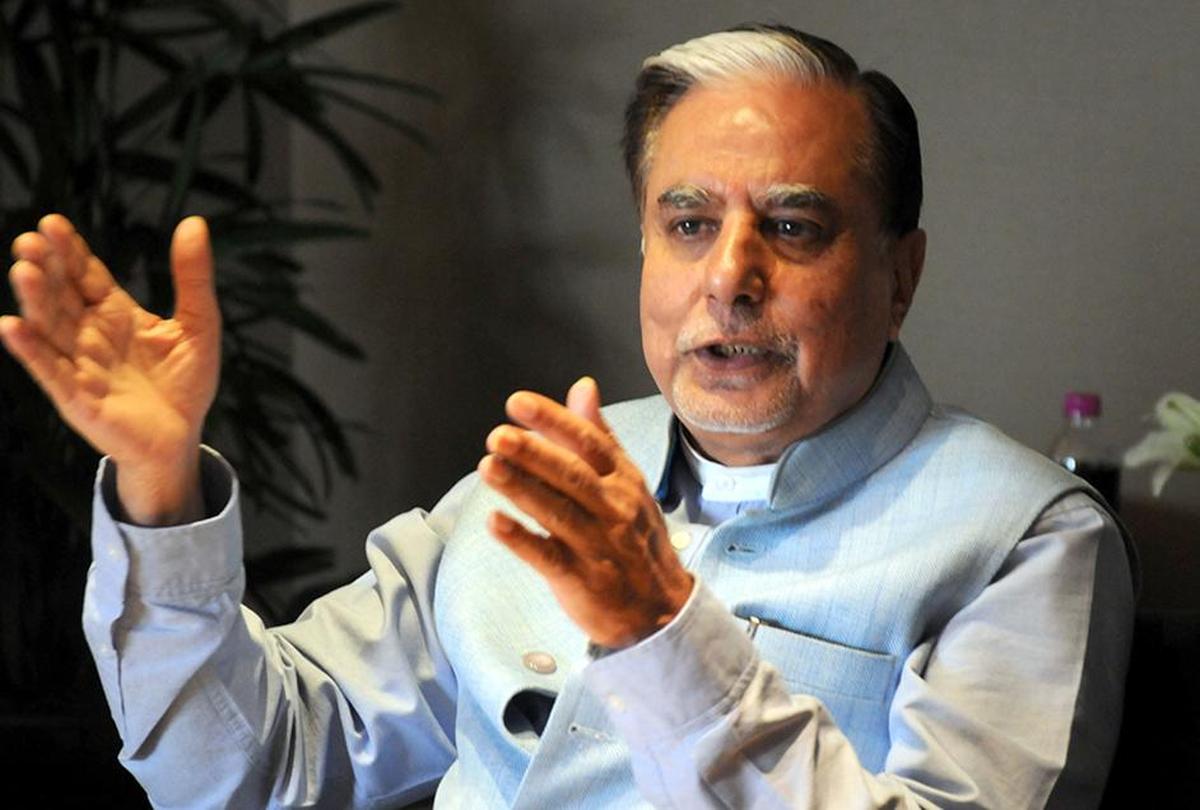
The insolvency case surrounding Subhash Chandra, the chairman of Essel Group, addresses creditor claims amounting to Rs 22,006.57 crore. However, the repayment plan sanctioned by the National Company Law Tribunal (NCLT) allocates only Rs 6.25 crore for these creditors, raising critical questions about the nature of the claims. Chandra asserts that he has never personally borrowed this amount, necessitating an explanation regarding his role as a personal guarantor.
The loans in question were taken by companies tied to the Essel Group, wherein Chandra provided personal guarantees for some of these borrowings. Therefore, he was not the original borrower; nonetheless, he undertook a significant commitment to the lenders if the borrowing companies were unable to fulfil their obligations under his guarantees. This distinction is vital for comprehending both the current case and the implications of personal guarantees in financial agreements.
Definition and Implications of a Loan Guarantee
A loan guarantee is a legal obligation whereby one party commits to fulfil the financial responsibility of another should they default. Governed by the Indian Contract Act of 1872, these agreements involve three main parties: the principal debtor, the surety, or guarantor, and the creditor. In a practical scenario, if an individual borrows Rs 10 lakh from a bank, the guarantor, having no claim to the borrowed money, legally binds themselves to repay the debt should the borrower default.
This principle equally applies to companies, where promoters may guarantee loans while the company remains the direct borrower. Thus, the promoter’s personal assets may become at risk if the company fails to honour its loan responsibilities, making the legal assurances tied to such guarantees crucial for both lenders and borrowers.
The rationale behind lenders seeking these guarantees stems from a company’s status as a distinct legal entity. While a company’s debts are primarily its own, personal guarantees provide an additional layer of security for lenders. The guarantor’s potential obligation is usually aligned with the principal debtor’s liabilities unless otherwise stated in the guarantee contract.
Developments in Chandra’s Insolvency Case
One significant instance highlights a loan facility of Rs 170 crore associated with Vivek Infracon. Concerns regarding security coverage emerged, prompting the lender to seek additional assurances from Chandra. Following a series of negotiations, he provided a personal guarantee. Subsequently, Indiabulls invoked this guarantee, resulting in a demand for repayment from Chandra in early 2022, which marked the initiation of insolvency proceedings against him under Section 95 of the Insolvency and Bankruptcy Code (IBC).
The overall claims of Rs 22,006.57 crore encompass various loans for which Chandra’s guarantees were pivotal. These figures can fluctuate, influenced by repayments, recoveries, interests, and total disbursed amounts. Proper scrutiny of the claims is essential, alongside an evaluation of the repayments noted by the primary borrowers and any supporting documentation.
The creditors have expressed concerns regarding the repayment plan approved by the NCLT, with dissent contingent on the involvement of certain entities tied to Chandra in the voting process. Disagreements arose over procedural fairness during the approval, which remains subject to review as appeals are likely in the National Company Law Appellate Tribunal.
Long or Short, get news the way you like. No ads. No redirections. Download Newspin and Stay Alert, The CSR Journal Mobile app, for fast, crisp, clean updates!