


Iran Issues Warning to US Amid Escalating Conflict and Tanker Incident
The CSR Journal Magazine

The Revolutionary Guard of Iran has issued a stark warning that the country would alter the landscape of the ongoing conflict if the United States exacerbates the situation. This announcement was made on Monday, amid escalating tensions in the Middle East. The warning reflects Iran’s commitment to prepare for a sustained conflict, with an emphasis on evolving military strategies and objectives.

Spokesperson Hossein Mohebbi stated that the “war is not over” and pledged that Iran would adapt its weaponry and military tactics should confrontations with the US intensify. He emphasised that new weapons with enhanced capabilities would be introduced to the battlefield, indicating a shift in Iran’s operational focus and attack targets that have not yet been addressed.

Mohebbi’s declaration was featured on Iranian state media, highlighting the intention to shift dynamics in the conflict that initially commenced on February 28. This ongoing confrontation has seen both US and Israeli military actions against Iran, alongside continuous attempts to negotiate a cessation of hostilities.

Tanker Struck Near Strait of Hormuz

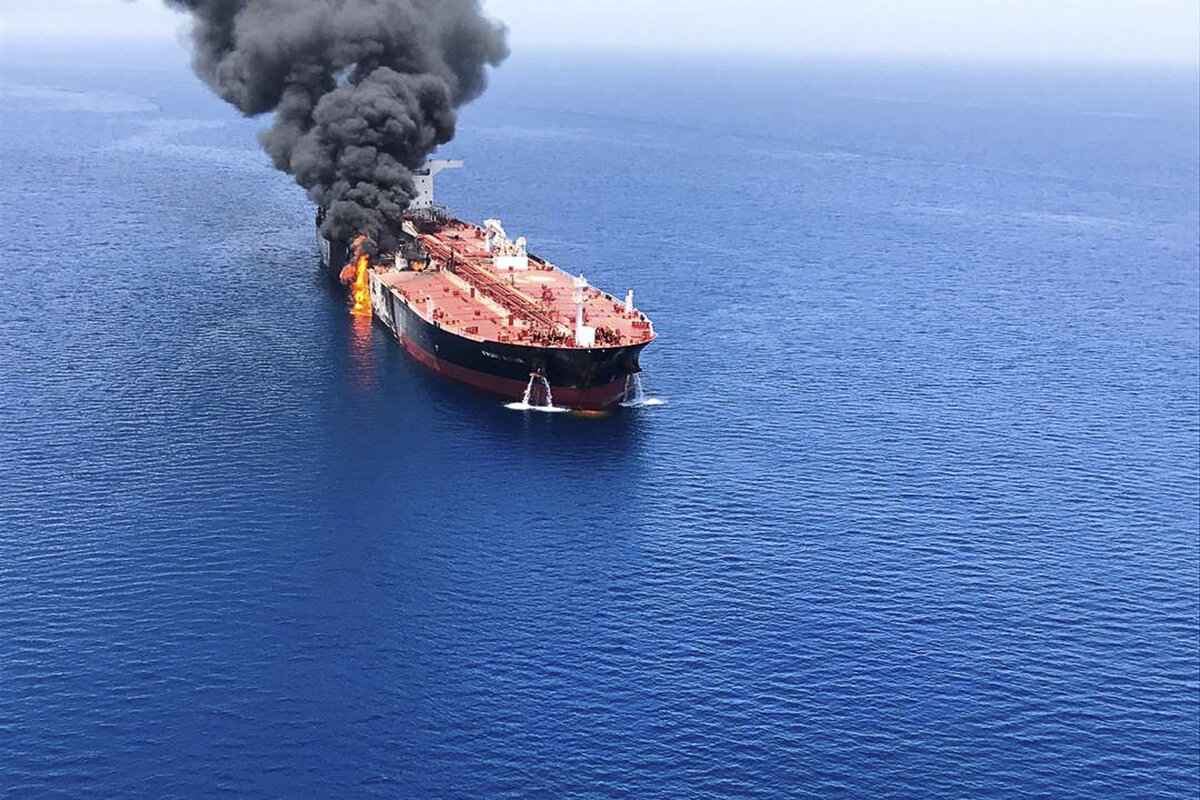
In a related incident on Monday, the UK Maritime Trade Operations Centre reported that a tanker was impacted by an “unknown projectile” while navigating into the Strait of Hormuz. Two crew members reportedly sustained minor injuries, but the tanker continued its journey independently. The event occurred against the backdrop of heightened military readiness throughout the region.

Previously, the Strait of Hormuz has been pivotal for global oil transport, facilitating the passage of approximately 20 million barrels of oil daily during peacetime. However, current traffic levels have diminished significantly since the initiation of hostilities on February 28, as Tehran has asserted substantial control over the strategic waterway.

Environmental concerns were alleviated, with no reports of adverse impacts following the strike, according to sources. Nevertheless, the situation underscores the volatile security landscape within one of the world’s busiest maritime corridors.

Widening Humanitarian Crisis in Yemen

As these developments unfold, the humanitarian crisis in Yemen has escalated dramatically. The World Health Organization has revealed that 680 individuals were either killed or injured during a week of renewed clashes between Iran-backed Houthi rebels and Saudi-supported forces. Recent figures indicate that the total casualties since August 6 have surged to 3,672, which includes 674 deaths and 2,998 injuries.

Lahj province in southwestern Yemen has become a focal point of conflict, reporting 58 deaths and 226 injuries in just six days. The International Organization for Migration has documented significant displacement, stating that 129,438 individuals have been forced to flee across seven provinces, with many experiencing multiple displacements.

Othman Belbeisi, the IOM’s regional director for the Middle East and North Africa, reported that an alarming 11,352 people were displaced within just three days, from September 18. The situation in Yemen continues to deteriorate, reflecting the broader impacts of regional instability.

Heightened Military Alert and Diplomatic Tensions

In Israel, heightened military readiness persists as the nation observes Yom Kippur, the holiest day in Judaism. The streets are predominantly empty, with residents engaged in worship at the Western Wall. The Israeli military has bolstered forces along the front lines in response to recent violence that led to the death of an Israeli settler in the occupied West Bank.

Simultaneously, France has signalled dissatisfaction regarding the closure of a French language centre tied to its embassy in Tehran, plan to summon the Iranian ambassador to communicate its objections. The French Foreign Ministry condemned the closure as “unjustifiable and unacceptable,” linking it to broader concerns about cultural representation and diplomatic relations.

The cultural landscape has also been affected, as the organisers of the Red Sea International Film Festival in Saudi Arabia announced the postponement of this year’s event until late 2027. While the foundation attributed this decision to logistical considerations rather than security concerns, the move reflects the overall regional instability affecting various facets of life and organisation.

Long or Short, get news the way you like. No ads. No redirections. Download Newspin and Stay Alert, The CSR Journal Mobile app, for fast, crisp, clean updates!

App Store –  https://apps.apple.com/in/app/newspin/id6746449540 

Google Play Store – https://play.google.com/store/apps/details?id=com.inventifweb.newspin&pcampaignid=web_share

Latest News

Popular Videos
