


Sri Lanka Eases Re-Entry Rules for Refugees Returning from India
The CSR Journal Magazine

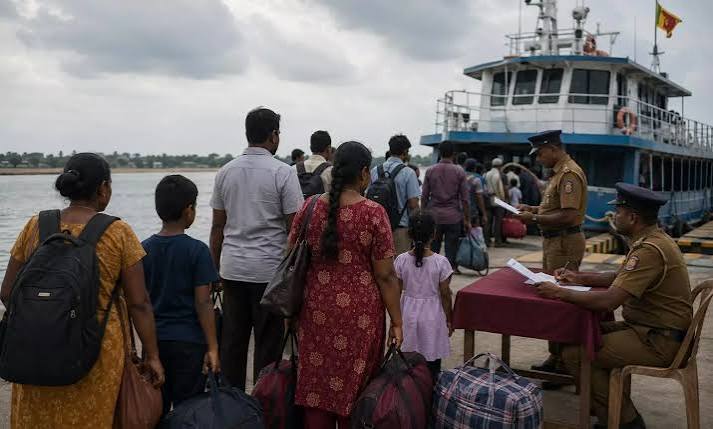
Sri Lanka has announced plans to simplify immigration processes to facilitate the voluntary return of refugees from India, who had left the nation without valid documentation during the civil war. This decision was shared with Parliament by Public Security Minister Ananda Wijepala on Wednesday. The government’s move follows a cabinet decision aimed at accelerating the re-entry of these individuals, contingent upon a security clearance.

Background and Context of the Refugee Crisis

The influx of Sri Lankan refugees into Tamil Nadu began in large numbers in 1983, following significant ethnic violence in the island nation. This period marked the escalation of an armed conflict that lasted nearly three decades between government forces and the Liberation Tigers of Tamil Eelam. While approximately 18,000 refugees have returned between 2002 and 2022, around 90,000 still reside in Tamil Nadu. Many of these individuals have spent years in India, facing challenges related to livelihoods, documentation, and legal status, which complicate their potential return.

As part of the new immigration arrangements, Sri Lankan nationals who departed the country before August 1, 2006, without a passport will undergo screening by the State Intelligence Service. This screening will check for any allegations relating to serious offences, including murder and treason. Those who successfully clear this process will be permitted to return to Sri Lanka via designated airports or ports using temporary passports. Importantly, they will not be subject to legal action under immigration laws for their prior unauthorised exit.

The recently established measures aim to mitigate the legal obstacles that have historically hindered the return of these individuals. The progression of this initiative has been accelerated by incidents such as the arrest of a 75-year-old Sri Lankan Tamil refugee at the Jaffna airport in May of the previous year, prompting the government to consider a more organised response to refugee returns.

Collaboration with Opposition for Document Delivery

On Wednesday, Opposition leader Shanakiyan Rasamanickam highlighted the possibility of cooperation between opposition parties and the government. He suggested that if the administration could enable the advance delivery of necessary documentation to refugees in India, it would streamline the re-entry process further. Minister Ananda Wijepala acknowledged the proposal, indicating a willingness to engage with opposition parties to address logistical challenges.

Ultimately, Sri Lanka is taking significant steps to create a simplified framework for refugees seeking to return from India. This newly adopted arrangement encompasses not only security screening but also the provision of temporary travel documents and guarantees against legal repercussions from their previous exits without authorisation. The government’s collaborative approach, involving both its ministers and opposition parties, indicates a broader effort to resolve a complex humanitarian issue.

As Sri Lanka implements these changes, the prospect of returning for long-term Tamil refugees in India is becoming more attainable. The government’s engagement with all stakeholders aims to ensure that the process of repatriation is both effective and compassionate, addressing the needs of those affected by decades of conflict and displacement.

Long or Short, get news the way you like. No ads. No redirections. Download Newspin and Stay Alert, The CSR Journal Mobile app, for fast, crisp, clean updates!

App Store –  https://apps.apple.com/in/app/newspin/id6746449540 

Google Play Store – https://play.google.com/store/apps/details?id=com.inventifweb.newspin&pcampaignid=web_share

Latest News

Popular Videos
