


IMF Reports 4.2% Growth in Sri Lanka’s Economy Despite Global Challenges
The CSR Journal Magazine

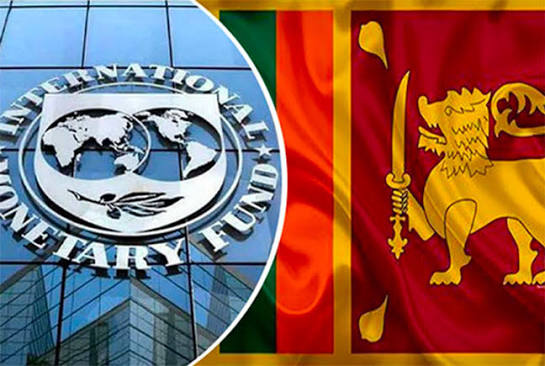
Sri Lanka’s economy has displayed resilience, with a recorded growth rate of 4.2 per cent in the second quarter of 2026, according to the International Monetary Fund (IMF). This growth marks the eleventh consecutive quarter of expansion, highlighting the nation’s ability to navigate significant external shocks affecting global markets. The IMF’s insights were released following their mission to Sri Lanka from September 10 to 23, 2026.

Despite this positive growth trajectory, the IMF noted that risks from global sources remain, particularly due to the geopolitical tensions in West Asia, uncertainties around global trade policies, and the effects of the El Nino climate phenomenon. These factors could potentially impact economic stability and growth in the future, underscoring the need for vigilance in policy-making.

Inflation Trends and External Reserves

The IMF observed a rise in headline inflation, which reached 8 per cent year-on-year in August 2026, a trend attributed to the global oil price increases. However, inflation expectations have reportedly remained stable, suggesting that consumer confidence has not been dramatically affected. The financial stability of banks is also commendable, with institutions being described as well-capitalised and profitable, which is vital for sustaining economic growth.

At the end of August 2026, Sri Lanka’s gross official reserves had increased to USD 6.9 billion, providing a buffer against external shocks and difficulties. The IMF emphasised the importance of maintaining these reserves to support macroeconomic stability. They stressed that consistent commitment to prudent fiscal policies and reforms is essential for rebuilding fiscal and external safeguards while ensuring steady pricing conditions.

To enhance revenue mobilisation, the IMF recommended developing a medium-term revenue strategy that aims to improve the effectiveness and fairness of taxation. They have urged the government to broaden the tax base and carefully assess tax exemptions and incentives to foster a healthier fiscal environment.

Investment Opportunities and Social Support

The IMF team’s visit to Jaffna highlighted the economic potential of the Northern Province, where discussions indicated that investment in connectivity, skills development, and key sectors such as agriculture, fisheries, tourism, and renewable energy could unlock significant growth and job creation. Engaging with the private sector and civil society revealed a collective interest in harnessing the region’s capabilities for broader economic advancement.

Moreover, the IMF urged the necessity of stronger social protection initiatives to ensure that the benefits derived from Sri Lanka’s economic transformation are equitably distributed among the population. Emphasising social safety nets is crucial for protecting vulnerable communities in the face of ongoing economic transitions.

Overall, the IMF’s report indicates that Sri Lanka’s economic performance remains robust, bolstered by increasing reserves and a stable banking sector. Yet, the organisation calls for an unwavering commitment to fiscal reforms, policies geared towards inflation control, and the enhancement of social protection mechanisms to build a resilient economy amidst fluctuating global conditions.

Long or Short, get news the way you like. No ads. No redirections. Download Newspin and Stay Alert, The CSR Journal Mobile app, for fast, crisp, clean updates!

App Store –  https://apps.apple.com/in/app/newspin/id6746449540 

Google Play Store – https://play.google.com/store/apps/details?id=com.inventifweb.newspin&pcampaignid=web_share

Latest News

Popular Videos
