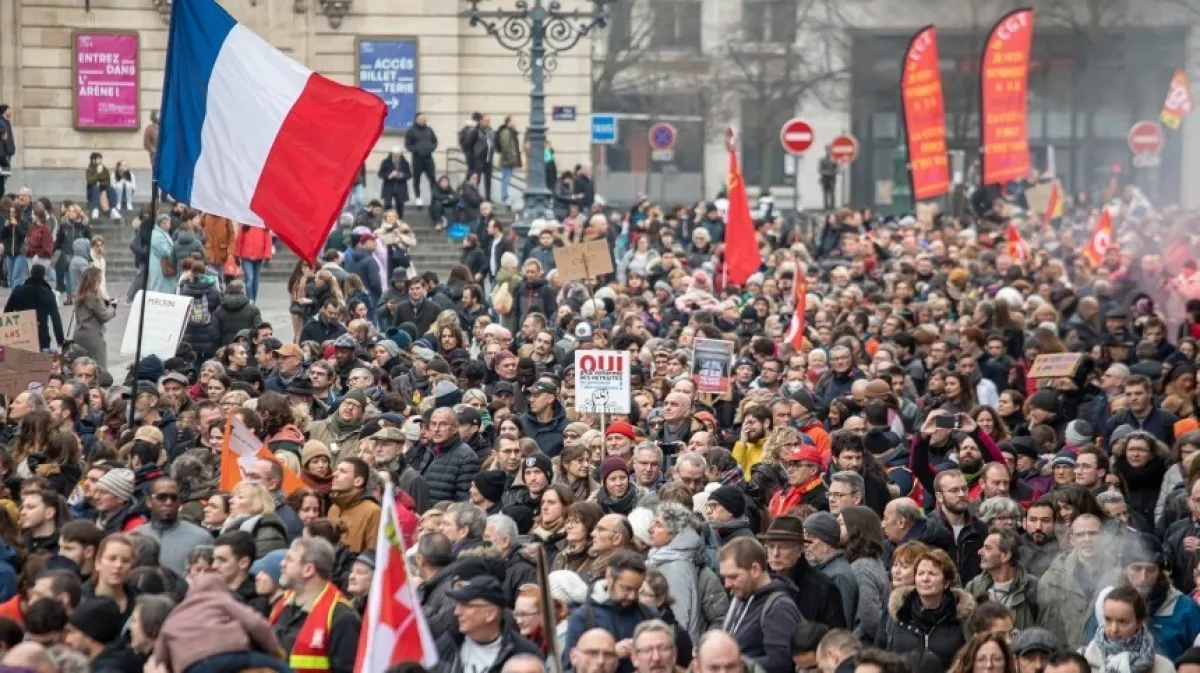
France is facing growing public discontent as rising living costs place increasing pressure on households, workers, and low-income communities. Concerns over the affordability of everyday essentials, including food, housing, transportation, and energy, have become a major source of frustration for many citizens. As economic pressures continue to affect daily life, protests and demonstrations have highlighted the widening gap between household incomes and the cost of living.
For many French families, managing monthly expenses has become increasingly difficult. Higher prices for essential goods and services have forced households to reconsider spending habits, reduce discretionary purchases, and prioritize basic necessities. Workers and pensioners on fixed or modest incomes are particularly vulnerable, as their earnings may not keep pace with rising expenses.
The growing financial strain has contributed to public dissatisfaction with government policies and intensified calls for measures to protect purchasing power.
Protests Reflect Widespread Frustration
Demonstrations over economic conditions have become an important expression of public concern in France, a country with a long history of labor movements and street protests. Citizens, trade unions, and activist groups have frequently used public gatherings to demand better wages, improved working conditions, and stronger social protections.
The rising cost of living has added urgency to these demands. Protesters often argue that ordinary workers should not have to struggle to afford basic necessities while meeting their professional and family responsibilities.
For some demonstrators, the issue extends beyond prices alone. They also express concerns about economic inequality, employment insecurity, taxation, and whether government decisions adequately reflect the needs of ordinary citizens.
However, the scale, location, and immediate causes of any particular protest vary. Specific reports of widespread unrest and violence require confirmation from reliable, up-to-date news sources.
Violence Raises Concerns Over Public Safety
Although many demonstrations are peaceful, some protests can escalate into confrontations between demonstrators and law enforcement officers. Incidents involving vandalism, property damage, clashes, or the use of crowd-control measures can create serious safety concerns for protesters, residents, business owners, and emergency personnel.
When violence occurs, local communities may face disruptions to transportation, commercial activity, and public services. Businesses located near demonstration sites can suffer financial losses, while commuters may experience delays and changes to their usual routes.
Authorities are often tasked with balancing the public’s right to demonstrate against the responsibility to maintain public order. Their response can become a further point of contention when protesters believe security measures are excessive or restrict legitimate expression.
Establishing the facts surrounding individual incidents is essential to distinguish peaceful demonstrations from acts of violence and to understand who was involved.
Government Faces Pressure to Respond
Public anger over living costs can create significant challenges for the French government. Citizens may demand immediate relief through financial assistance, tax adjustments, wage increases, or policies designed to reduce household expenses.
Possible responses include targeted support for vulnerable households, measures to improve access to affordable housing, and efforts to strengthen purchasing power. However, such policies can involve difficult choices about public spending, taxation, and long-term economic priorities.
The effectiveness of government action may influence public confidence. If households feel that their concerns are not being addressed, frustration can persist and contribute to further demonstrations.
At the same time, policymakers must consider broader economic conditions and ensure that short-term relief measures remain financially sustainable.
Economic Unrest Could Have Wider Consequences
Continued unrest could affect France’s economic outlook, social cohesion, and political climate. Prolonged demonstrations may disrupt business operations, discourage consumer activity in affected areas, and increase uncertainty for investors and employers.
Beyond the immediate economic impact, the protests highlight deeper questions about fairness, opportunity, and the distribution of economic resources. Addressing these concerns may require cooperation among government officials, employers, trade unions, and community organizations.
Conclusion
France’s cost-of-living pressures underscore the challenges faced by households struggling to balance incomes with essential expenses. Protests provide an avenue for citizens to express dissatisfaction and demand meaningful change, while reports of violence highlight the importance of public safety and accurate reporting.
A lasting resolution will likely depend on effective economic policies, constructive dialogue, and measures that help households manage rising expenses. As the situation develops, verified information will remain crucial to understanding the scale of the unrest and its implications for French society.