


Russian Strikes Leave 600,000 Without Power in Ukraine
The CSR Journal Magazine

At least 600,000 individuals across Ukraine are currently without electricity following a series of missile and drone strikes conducted by Russia overnight, according to President Volodymyr Zelensky. The attacks reportedly targeted critical energy infrastructure in Kyiv and the surrounding region, as well as in Kharkiv, a city located in the north-eastern part of the country. This escalation comes despite claims made by US President Donald Trump on Sunday regarding an “energy ceasefire” between the two nations.

In Kyiv, the strikes resulted in the deaths of three individuals and left 21 others injured, as reported by the state emergency service, DSNS. The attacks have raised concerns about the ongoing conflict and its impact on civilian life, particularly in urban areas where residential buildings were targeted.

Russia’s defence ministry stated that the “massive” strikes were aimed at communications and energy facilities used by Ukraine’s military in both Kyiv and Kharkiv. This assertion highlights the ongoing military strategy employed by Russia to disrupt Ukraine’s operational capabilities.

Details of the Military Engagement

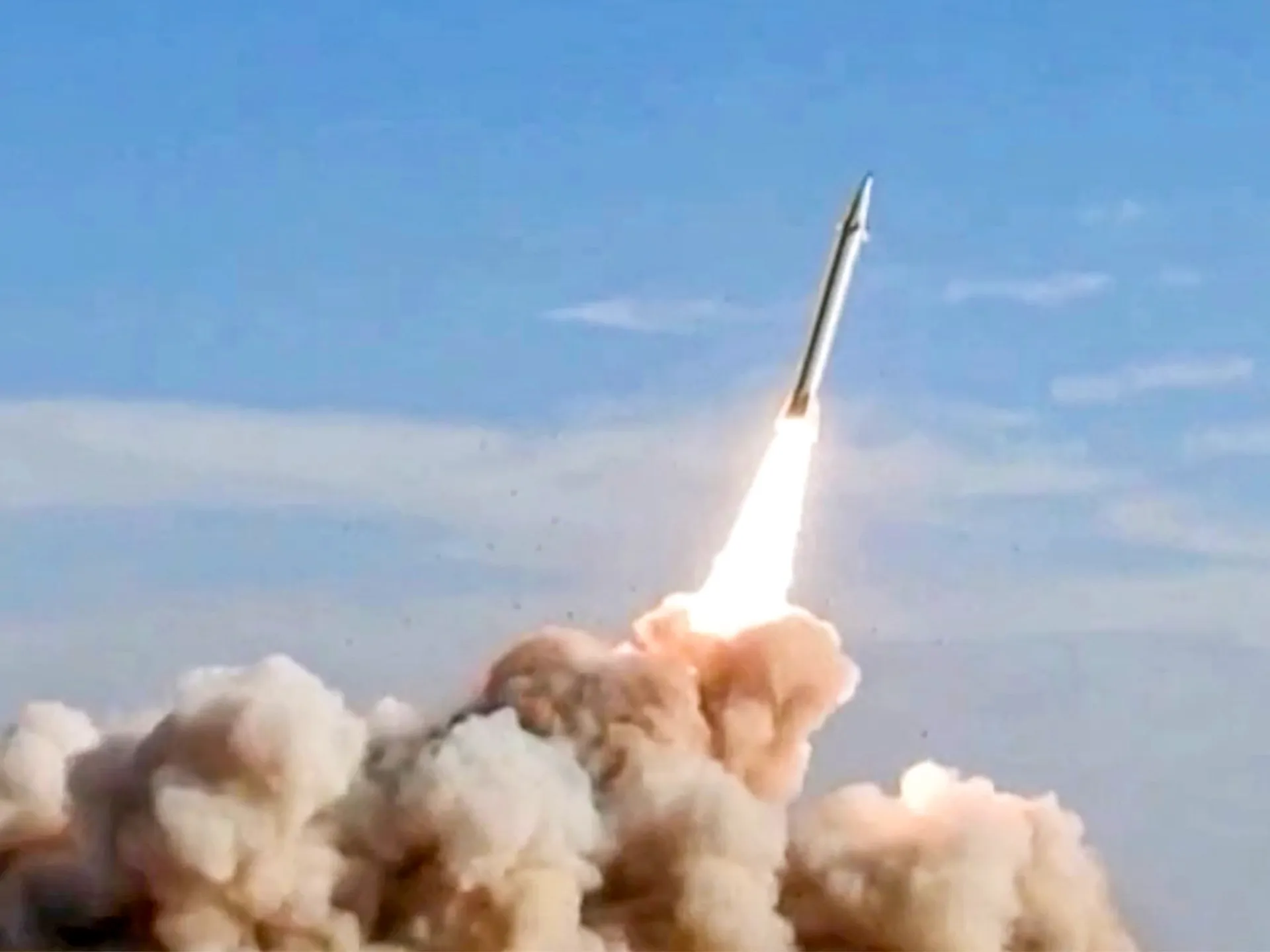
According to Ukraine’s air force, the Russian military launched a total of 39 ballistic and cruise missiles, alongside 128 drones during the overnight assault. Ukrainian forces reportedly managed to intercept four of the missiles and 115 of the drones, demonstrating a degree of resilience in their air defence systems. The situation remains fluid as both sides continue to engage in military operations.

In a statement, Russia’s defence ministry claimed that 902 Ukrainian drones were shot down over various regions, including Moscow and Crimea, which has been under Russian control since its annexation in 2014. This claim underscores the ongoing aerial conflict between the two nations and the strategic importance of drone warfare in the current landscape.

President Zelensky has expressed Ukraine’s willingness to halt strikes on Russian energy facilities if Moscow reciprocates. However, Russia’s Foreign Minister Sergey Lavrov dismissed the notion of a ceasefire, arguing that Ukraine does not merit the “respite” that such a truce would provide. Lavrov further suggested that a ceasefire would enable European nations to continue supplying Ukraine with military support.

Context of the Ongoing Conflict

The conflict between Russia and Ukraine escalated significantly following Russia’s full-scale invasion in 2022. Currently, Russian forces control approximately 20 per cent of Ukrainian territory, leading to widespread devastation and humanitarian crises across the region. The situation remains precarious, with both military and civilian casualties continuing to rise as the war enters another phase of intensity.

In light of these developments, international responses to the conflict are being closely monitored. The implications of the ongoing strikes on energy infrastructure are particularly concerning, as they not only affect military operations but also the daily lives of civilians who rely on electricity and essential services.

As the conflict endures, the potential for diplomatic resolutions appears increasingly complicated. The statements from both Ukrainian and Russian officials indicate a deepening entrenchment in their respective positions, making any immediate ceasefire or peace negotiations seem unlikely. The international community continues to call for dialogue, but the realities on the ground remain challenging.

Long or Short, get news the way you like. No ads. No redirections. Download Newspin and Stay Alert, The CSR Journal Mobile app, for fast, crisp, clean updates!

App Store – https://apps.apple.com/in/app/newspin/id6746449540

Google Play Store – https://play.google.com/store/apps/details?id=com.inventifweb.newspin&pcampaignid=web_share

Latest News

Popular Videos
